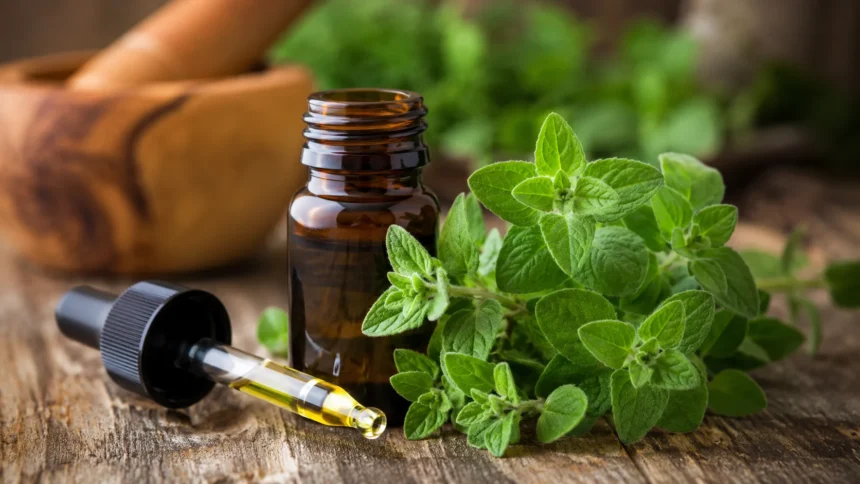
Oil of Oregano: Uses, Benefits and Side Effects
Oil of oregano has become a popular herbal product for people interested in natural approaches to digestive health, immune support, respiratory wellness, and general wellbeing. It is commonly sold as liquid drops, softgels, capsules, and concentrated essential oil preparations. Much of the interest comes from compounds such as carvacrol and thymol, naturally occurring substances that have demonstrated antimicrobial and antioxidant activity in laboratory research.
Despite its popularity, oregano oil deserves a more balanced explanation than many online claims provide. Laboratory studies show interesting antibacterial, antifungal, and other biological activity, but results from test tubes cannot automatically be translated into proven treatments for infections in humans. Research continues to investigate these compounds, and strong clinical evidence supporting many of the health claims associated with oregano oil remains limited.
Another important distinction is the difference between oregano used as a culinary herb and concentrated oregano oil supplements. Adding dried oregano to pizza, pasta, salads, or Mediterranean meals exposes you to much smaller quantities of its active compounds than taking concentrated oil. Essential oils can also irritate tissues when used improperly, making product instructions, dilution, and individual health circumstances important considerations.
This guide explains oil of oregano uses, possible health benefits, active compounds, side effects, safety considerations, and practical precautions. It also explores popular claims involving immunity, digestion, respiratory symptoms, bacteria, fungi, and inflammation while separating promising laboratory research from effects that have actually been established in people.
What Is Oil of Oregano?
Oil of oregano is a concentrated product derived from oregano plants, most commonly species belonging to the Origanum genus. Oregano itself is a familiar culinary herb used extensively in Mediterranean and other cuisines, but concentrated oils contain much higher levels of volatile plant compounds than the small amounts obtained from seasoning food.
One of the most widely studied components is carvacrol, a phenolic compound responsible for part of oregano’s characteristic aroma and biological activity. Thymol is another important component. Oregano plants also contain additional volatile compounds, flavonoids, polyphenols, and other phytochemicals, and the exact chemical profile can vary considerably between plant species and products.
Products marketed as oregano oil are not always identical. Some are diluted preparations intended for oral supplementation, while others are concentrated essential oils intended primarily for aromatic or properly diluted topical use. Concentration, carrier oils, extraction techniques, plant variety, and carvacrol content may vary significantly from one brand to another.
This variation means consumers should not assume that all oregano oils provide the same dose or have the same safety profile. Reading the product label is especially important with concentrated botanical products. A bottle designed for culinary or supplemental use should not automatically be treated the same way as a highly concentrated essential oil used for aromatherapy.
Oregano Oil vs Oregano Essential Oil
The phrases “oregano oil” and “oregano essential oil” are frequently used interchangeably online, but commercial products can differ. Oregano essential oil is typically a concentrated volatile oil obtained through processes such as steam distillation. It can contain substantial concentrations of carvacrol, thymol, and related aromatic compounds.
Some supplements marketed as “oil of oregano” contain oregano essential oil that has already been diluted in a carrier oil such as olive oil. Others are provided in capsules or softgels containing standardized amounts of particular constituents. These formulations are generally intended to make concentrated oregano compounds easier to take.
The distinction matters because pure essential oil should not be casually swallowed or applied directly to sensitive tissues. Concentrated essential oils can irritate the mouth, throat, digestive tract, eyes, or skin. A supplement specifically formulated for oral use should therefore be used according to its label rather than assuming any oregano essential oil is appropriate for ingestion.
When purchasing a product, look beyond the marketing terminology and check how it is intended to be used. Instructions such as “dietary supplement,” “topical use,” or “aromatherapy” provide more practical information than the front-label name alone. Concentration and dilution instructions are particularly important for minimizing unnecessary irritation.
What Are the Main Compounds in Oil of Oregano?
Carvacrol is usually the compound most heavily emphasized in discussions about oregano oil. It belongs to a class of aromatic compounds found in several herbs and has demonstrated antimicrobial activity in laboratory research. Its molecular properties appear to allow it to interact with microbial cell membranes, which is one reason researchers continue studying it.
Thymol is another naturally occurring compound found in oregano and related herbs such as thyme. Like carvacrol, it has attracted attention for antimicrobial and antioxidant properties. However, the amount of thymol and carvacrol in a particular oregano oil depends on the plant variety, environmental conditions, harvesting, extraction, and formulation.
Other compounds can include gamma-terpinene, p-cymene, caryophyllene, flavonoids, and phenolic substances. More than 60 constituents have been identified in oregano leaves and flowers, highlighting why herbal products cannot always be understood by looking at one active ingredient alone.
The presence of biologically active compounds makes oregano oil scientifically interesting, but it does not mean every compound produces a meaningful clinical benefit when consumed by humans. Concentration, absorption, metabolism, dose, duration, and interactions all affect what happens inside the body. Laboratory potency and real-world medical effectiveness are therefore different questions.
Potential Oil of Oregano Benefits
Many proposed oil of oregano benefits relate to its antimicrobial and antioxidant properties. Research has investigated oregano compounds against bacteria, fungi, and other microorganisms, particularly in laboratory and food-preservation settings. Some experiments have produced promising results, encouraging continued interest in oregano-derived compounds.
Carvacrol has also been investigated for possible anti-inflammatory and antioxidant effects. Reviews of experimental research describe several biological mechanisms through which the compound may influence inflammatory processes and oxidative stress. Much of this evidence, however, comes from laboratory or animal research rather than large clinical trials involving everyday supplement users.
People commonly take oregano oil hoping to support immunity, digestion, respiratory health, or recovery from minor illnesses. These uses are widely discussed in complementary-health communities, but consumers should distinguish traditional use and theoretical biological activity from clinically proven treatment.
A sensible interpretation is that oregano contains interesting plant compounds with genuine biological activity, while many therapeutic claims remain insufficiently established in humans. Oil of oregano may fit into some people’s supplement routines, but it should not automatically replace medications, medical evaluation, vaccination, or other evidence-based care.
Does Oil of Oregano Have Antibacterial Properties?
Antibacterial activity is probably one of the best-known characteristics associated with oregano essential oil. Laboratory research has demonstrated activity against several bacterial species, and carvacrol appears to be an important contributor. Recent research continues to investigate oregano essential oils against both standard bacterial strains and clinically relevant isolates.
Scientists believe oregano compounds can interfere with bacterial membranes and other cellular processes. This makes them interesting for areas such as food safety, preservation, agriculture, and potentially future antimicrobial applications. Research on oregano essential oil as a food-preservation ingredient has been particularly active.
The critical limitation is that killing bacteria in a laboratory dish does not prove that taking oregano oil by mouth will successfully treat a bacterial infection inside the human body. Human tissues, digestion, metabolism, blood concentrations, microbial location, and immune responses create conditions far more complicated than laboratory experiments.
People who have a suspected bacterial infection should therefore not replace prescribed antibiotics with oregano oil without medical guidance. Untreated infections can become more serious, and delaying appropriate care may increase complications. The antibacterial research is scientifically interesting, but oregano oil is not a universal substitute for established antimicrobial treatment.
Does Oil of Oregano Have Antifungal Benefits?
Oregano oil has demonstrated antifungal activity in laboratory studies as well. Research involving Candida albicans, for example, has found that oregano-derived oils and carvacrol can inhibit fungal growth under experimental conditions. These findings have contributed to widespread interest in oregano oil as a possible natural antifungal agent.
More recent reviews continue investigating oregano species for antifungal properties and chemical composition. Different oregano oils can behave differently because concentrations of carvacrol, thymol, and other compounds vary. This makes standardization an important challenge when trying to compare products or research results.
Again, laboratory antifungal effects should not automatically be interpreted as proof that oregano oil can cure yeast infections, fungal nail infections, oral thrush, or other fungal conditions in people. Appropriate treatment depends on the organism involved, the location of the infection, severity, medical history, and whether the diagnosis is actually fungal.
Someone experiencing persistent itching, discharge, skin changes, nail abnormalities, mouth symptoms, or recurring fungal infections should seek appropriate assessment rather than repeatedly applying concentrated essential oil. Some conditions that resemble fungal infections have completely different causes, and strong essential oils can themselves irritate damaged skin.
Oil of Oregano and Immune Support
Oregano oil is frequently sold as an immune-support supplement, largely because of its antioxidant and antimicrobial compounds. Carvacrol and thymol have demonstrated several biological effects that make them interesting to researchers studying inflammation, oxidative stress, microorganisms, and cellular responses.
However, the phrase “boosts immunity” is often used too casually in supplement marketing. The immune system is a complex network involving immune cells, tissues, signaling molecules, barriers, nutritional status, sleep, age, genetics, and previous exposure to pathogens. It cannot realistically be reduced to one herb or supplement.
Maintaining immune function depends more reliably on adequate nutrition, sufficient protein and micronutrients, sleep, physical activity, appropriate vaccinations, stress management, and treatment of underlying medical problems. Herbs and spices can be part of a healthy diet, but they should not be expected to replace these fundamentals.
People taking oregano oil during cold and flu season should therefore maintain realistic expectations. It may provide biologically active plant compounds, but there is not strong evidence that routine supplementation prevents people from catching common respiratory infections. Marketing language should not be confused with proven prevention.
Can Oil of Oregano Treat Colds or Flu?
People frequently search for oregano oil when they develop coughing, congestion, sore throat, or other respiratory symptoms. This interest comes partly from traditional herbal use and partly from laboratory research investigating the antimicrobial and antiviral properties of carvacrol and oregano-derived compounds.
Some laboratory experiments have shown activity against particular viruses under controlled conditions. For example, researchers have explored oregano oil and carvacrol against certain viruses, while other investigations have found that activity can be highly virus-specific.
These findings do not establish oregano oil as a treatment for influenza, COVID-19, or the common cold. Laboratory antiviral research uses concentrations, viral models, and experimental conditions that may not occur after someone takes an oral supplement. Human clinical evidence is necessary before treatment claims can be justified.
For ordinary viral respiratory illnesses, supportive measures such as fluids, rest, and appropriate symptom management may help while the infection resolves. Severe breathing difficulty, persistent high fever, chest pain, dehydration, worsening symptoms, or symptoms in someone medically vulnerable deserve professional assessment rather than relying solely on herbal remedies.
Oil of Oregano and Respiratory Health
Carvacrol has attracted research interest for effects involving inflammation and respiratory function. One controlled clinical trial investigated carvacrol in individuals with lung injury related to sulfur mustard exposure and reported changes in inflammatory markers and pulmonary function. This was a highly specific medical population and should not be generalized to ordinary coughs or respiratory infections.
Experimental reviews have additionally examined carvacrol’s potential antioxidant and anti-inflammatory effects in respiratory conditions. These findings help researchers understand possible biological mechanisms but do not establish oregano oil supplements as routine treatments for asthma, bronchitis, pneumonia, or chronic lung disease.
Someone with mild congestion may enjoy warm fluids, steam, rest, or other supportive measures, but oregano essential oil should not be placed directly into the nose or inhaled in dangerously concentrated quantities. Essential oils can irritate sensitive tissues, particularly when used without appropriate dilution or ventilation.
People with asthma or other chronic respiratory disorders should be particularly cautious about strongly scented oils because fragrances and airborne substances can trigger symptoms in susceptible individuals. A product being derived from a plant does not guarantee that inhaling concentrated vapors will be comfortable or beneficial for everyone.
Oil of Oregano for Digestive Health
Oregano has a long history of traditional use for digestive complaints, and modern researchers have examined oregano extracts and essential oils in relation to gastrointestinal microorganisms and food preservation. Reviews describe considerable experimental interest in oregano’s antimicrobial properties and possible implications for gastrointestinal health.
Some supplement manufacturers market oregano oil for bloating, gas, indigestion, or maintaining a “healthy gut.” These claims need to be interpreted cautiously because gastrointestinal symptoms have many potential causes. Food intolerances, constipation, reflux, infections, medications, stress, irritable bowel syndrome, inflammatory diseases, and other conditions can produce overlapping symptoms.
A concentrated essential oil can also irritate the digestive tract rather than soothe it. Some users experience stomach discomfort, nausea, burning sensations, or digestive upset, particularly when taking highly concentrated preparations or larger amounts than recommended.
Persistent abdominal pain, unexplained weight loss, vomiting, blood in the stool, recurring diarrhea, difficulty swallowing, or major bowel changes deserve medical evaluation. Using oregano oil repeatedly to suppress unexplained digestive symptoms can delay diagnosis of a condition that requires more specific treatment.
Is Oil of Oregano Good for Gut Bacteria?
The phrase “gut bacteria” includes an enormous and diverse community of microorganisms rather than a simple collection of harmful germs. Some microorganisms contribute to digestion, vitamin metabolism, immune signaling, and other biological processes, while others can cause disease under particular circumstances.
Because oregano compounds have broad antimicrobial properties in laboratory settings, it is not accurate to assume that taking more oregano oil always creates a healthier microbiome. An antimicrobial substance may affect different organisms in different ways, and laboratory studies cannot fully predict changes in a complex human gut ecosystem.
Much of the available oregano research focuses on antimicrobial activity, food systems, animal models, or individual microorganisms rather than demonstrating that routine oregano oil supplementation improves the human microbiome. More targeted human research is needed before strong “gut balancing” claims can be supported.
People interested in supporting digestive microbial diversity have better-established dietary strategies available, including eating a varied plant-rich diet containing vegetables, fruits, legumes, whole grains, nuts, and seeds. Fermented foods may also fit into some people’s diets. Oregano oil should not be viewed as an essential requirement for maintaining healthy gut bacteria.
Anti-Inflammatory Properties of Oregano Oil
Inflammation is a normal part of immune defense and tissue repair, but prolonged or excessive inflammatory activity contributes to many health conditions. Because carvacrol can influence inflammatory pathways in experimental studies, oregano oil is often marketed as a natural anti-inflammatory product.
Systematic research has identified potential anti-inflammatory and antioxidant effects of carvacrol in experimental models. Researchers have examined changes in cytokines, oxidative stress, and signaling pathways, providing a biological rationale for continued investigation.
This research should not be interpreted to mean oregano oil can treat inflammatory diseases such as rheumatoid arthritis, inflammatory bowel disease, asthma, or other chronic conditions. These illnesses have complex causes and frequently require carefully monitored medical treatment.
Anyone interested in reducing chronic inflammation should focus primarily on proven health measures relevant to their situation, including balanced nutrition, appropriate physical activity, sufficient sleep, avoiding smoking, maintaining healthy metabolic markers, and following medical treatment. Oregano may complement a healthy diet, but it should not carry the entire burden of inflammation management.
Antioxidant Properties of Oil of Oregano
Oregano contains several compounds capable of antioxidant activity, including carvacrol, thymol, phenolic acids, and flavonoids. Antioxidants help interact with reactive molecules involved in oxidative processes, which has made oregano an interesting subject in food science and biological research.
Food researchers have particularly examined oregano essential oil because oxidative reactions can contribute to food deterioration. Its combination of antioxidant and antimicrobial properties may have potential applications in food preservation, packaging, and related technologies.
In human health discussions, however, the term “antioxidant” often gets used as though it automatically proves disease prevention. The relationship between oxidative biology and chronic disease is much more complicated, and a substance showing antioxidant effects in a laboratory does not necessarily prevent cancer, cardiovascular disease, or aging.
Eating a varied diet rich in vegetables, fruits, herbs, spices, whole grains, legumes, and nuts remains a practical way to obtain numerous plant compounds. Culinary oregano can contribute to this pattern without requiring concentrated supplements. Oregano oil is an optional product, not a nutritional necessity.
Oil of Oregano for Skin
Oregano essential oil appears in some skincare and natural-remedy discussions because of its antimicrobial properties. Laboratory studies have investigated oregano essential oil and carvacrol in human skin-cell models, although research directly demonstrating clinical benefits for common skin conditions remains limited.
Applying undiluted essential oil directly to the skin can cause irritation, burning, redness, or sensitivity. The face, genital area, broken skin, and tissues around the eyes are especially vulnerable. Concentrated oregano oil should therefore not be treated as an ordinary moisturizing oil.
People interested in topical oregano products should follow formulation instructions and perform sensible precautions appropriate to the product. A commercially formulated skincare preparation is different from placing concentrated essential oil directly onto acne, eczema, wounds, or fungal-looking rashes.
Persistent skin problems deserve accurate diagnosis. Acne, eczema, psoriasis, contact dermatitis, bacterial infections, fungal infections, and allergic reactions can sometimes resemble one another. Applying a strong essential oil without knowing the cause may irritate the area and make subsequent assessment more difficult.
Oil of Oregano for Candida and Yeast
Online discussions frequently recommend oregano oil as a natural treatment for “Candida overgrowth.” Candida species normally exist in or on many healthy people, although they can cause infections under certain conditions. Having Candida present in the body does not automatically mean someone has a medical problem.
Oregano oil has shown antifungal activity against Candida albicans in laboratory research, which provides some scientific explanation for the popularity of this claim. The evidence does not, however, demonstrate that self-prescribed oral oregano oil reliably treats every condition attributed online to Candida.
Vaginal yeast infections, oral thrush, invasive candidiasis, and skin candidiasis are very different medical situations. Treatment depends on the location and severity of infection, underlying health conditions, pregnancy status, medications, and whether Candida is actually responsible for the symptoms.
Recurring suspected yeast infections should therefore be evaluated rather than repeatedly self-treated. Diabetes, antibiotic exposure, immune problems, hormonal changes, and other factors may contribute to recurrent infections, while some symptoms believed to represent yeast may actually have another cause.
Oil of Oregano for Parasites
Oregano oil is sometimes included in online “parasite cleanse” routines, often alongside other herbs and supplements. These programs can make dramatic promises about digestive symptoms, fatigue, weight changes, skin problems, or dozens of unrelated complaints allegedly caused by hidden parasites.
Although plant compounds can demonstrate antimicrobial or antiparasitic activity in experimental research, this does not prove that oregano oil can eliminate human intestinal parasites safely and reliably. Different parasites require different treatments, and appropriate diagnosis usually depends on symptoms, travel history, exposure, testing, and clinical evaluation.
Taking strong herbal preparations without confirming an infection can expose someone to side effects while leaving the real cause of their symptoms untreated. It may also create false reassurance if serious gastrointestinal problems temporarily fluctuate while an ineffective cleanse is being used.
Anyone concerned about a parasitic infection should seek appropriate testing and treatment. Evidence-based antiparasitic medicines are selected according to the organism involved. Oregano oil should not be assumed to function as a universal deworming treatment simply because it has antimicrobial activity in laboratory settings.
Can Oil of Oregano Help With Weight Loss?
Oregano oil is occasionally promoted as a metabolism booster or weight-loss supplement. Some experimental research involving carvacrol has examined metabolic processes, inflammation, and body-weight-related mechanisms, but this does not establish oregano oil as an effective human weight-loss treatment.
There is no convincing reason to expect taking a few drops of oregano oil to overcome a sustained calorie surplus, poor sleep, very low physical activity, medications that affect weight, hormonal disorders, or other major influences on body composition.
Sustainable weight management generally depends on nutritional intake, energy balance, physical activity, sleep, behavioral patterns, health conditions, and individual biology. People do not need oregano oil to lose body fat successfully.
Using herbs such as oregano in cooking may indirectly support healthier eating because they add strong flavor without requiring substantial sugar or saturated fat. That practical culinary role is much more straightforward than claiming concentrated oregano oil itself burns fat.
Oil of Oregano Side Effects
Oil of oregano side effects can occur even though the product comes from a plant. Concentrated preparations may cause stomach upset, nausea, abdominal discomfort, heartburn-like burning, or irritation of the mouth and throat. Individual tolerance varies, and stronger formulations may create more noticeable effects.
Topical exposure can cause skin irritation or allergic reactions in susceptible individuals. Undiluted essential oil is particularly likely to be irritating because the aromatic compounds are highly concentrated. The eyes and other sensitive tissues should be protected carefully from accidental exposure.
Allergic reactions are possible, particularly in individuals sensitive to oregano or related plants. Symptoms such as hives, swelling, wheezing, or breathing difficulty require appropriate attention, and severe rapidly developing reactions warrant urgent medical care.
Using more than the recommended amount does not necessarily increase benefits and may simply increase the likelihood of adverse effects. Botanical supplements can have dose-related effects just like medications, making the assumption that “natural” means unlimited or risk-free misleading.
Can Oil of Oregano Irritate the Stomach?
Yes, digestive irritation is one of the more practical concerns associated with concentrated oregano preparations. Strong aromatic compounds can produce burning or discomfort in some users, particularly when a concentrated product is taken incorrectly.
People with reflux, sensitive stomachs, gastritis, ulcers, or other gastrointestinal conditions may find concentrated oils especially uncomfortable. Taking a supplement that repeatedly causes pain or significant burning should not be considered a normal requirement for obtaining health benefits.
A product formulated for oral use should include instructions regarding serving size and whether it needs further dilution or should be taken with food. Those directions are important because formulations vary substantially.
Persistent stomach pain, vomiting, gastrointestinal bleeding, severe diarrhea, or other significant symptoms should not be attributed casually to “detoxification.” These symptoms can indicate irritation or unrelated medical problems and deserve appropriate evaluation.
Can You Be Allergic to Oregano Oil?
Allergy to oregano or related herbs is possible, even though oregano is widely consumed as a culinary seasoning. People with known allergies to herbs in related botanical families may need to be particularly cautious when using concentrated preparations.
A mild allergic response may involve itching, rash, or localized irritation, while a severe reaction could involve swelling, wheezing, breathing difficulty, dizziness, or other systemic symptoms. Concentrated oils may additionally cause non-allergic irritation, which can sometimes resemble an allergic reaction.
Someone who develops symptoms after taking or applying oregano oil should stop using the product and seek appropriate guidance based on severity. Repeatedly exposing yourself to a suspected allergen simply to “build tolerance” is not a safe self-treatment strategy.
People who already have multiple plant or spice allergies may want to discuss concentrated herbal supplements with their healthcare professional before trying them. Eating a small amount of oregano as seasoning does not necessarily predict how someone will respond to a concentrated product.
Oil of Oregano and Medication Interactions
Herbal supplements can interact with medications, and oregano oil should not automatically be considered exempt. Concentrated plant compounds may affect biological processes in ways that are insignificant for one person but potentially relevant for someone using prescription medicine or managing a chronic condition.
Concerns are sometimes raised about possible effects involving blood clotting, blood glucose, and other metabolic pathways. Evidence defining the clinical significance of every proposed oregano interaction is limited, which is another reason personalized professional advice matters when someone takes several medications.
People taking anticoagulants, diabetes medications, multiple prescription drugs, or medicines with narrow safety margins should be particularly careful about adding concentrated supplements without discussing them with a pharmacist or clinician.
It is also helpful to tell healthcare professionals about supplements rather than listing only prescription medications. Herbal products, vitamins, concentrated oils, and over-the-counter products can all contribute to the complete picture when clinicians assess potential interactions or side effects.
Is Oil of Oregano Safe During Pregnancy?
Pregnancy is a period when extra caution with concentrated herbal products is sensible. Culinary amounts of oregano used normally in food are very different from concentrated oregano essential oils or high-dose supplements.
Because safety information for many herbal supplements during pregnancy is incomplete, someone who is pregnant or trying to conceive should not assume concentrated oregano preparations are safe simply because oregano is routinely used as food.
Pregnancy can also change digestion, medication requirements, and sensitivity to certain substances. A product that seemed harmless before pregnancy may not have an adequately established safety profile for concentrated use during pregnancy.
Anyone pregnant, breastfeeding, or planning pregnancy should discuss concentrated oregano supplements with an obstetric clinician or pharmacist before use. Normal culinary seasoning and medicinal-dose essential oil products should be considered separately rather than treated as equivalent exposures.
Is Oil of Oregano Safe for Children?
Children should not automatically receive adult herbal supplements at smaller doses. Body size, metabolism, developmental stage, medication use, and the risk of accidental ingestion all influence pediatric safety.
Concentrated essential oils are particularly concerning because relatively small volumes can contain large quantities of active compounds. Accidental swallowing, eye exposure, or direct contact with sensitive skin can therefore be more significant for children.
Parents considering oregano products for coughing, colds, digestive complaints, or other childhood symptoms should ask an appropriate healthcare professional rather than experimenting with concentrated essential oils.
Essential oils should also be stored securely away from children. Attractive small bottles can still contain powerful concentrated substances, and “natural” packaging should never be interpreted as meaning accidental ingestion is harmless.
How to Take Oil of Oregano Safely
There is no universal oregano oil dose appropriate for every product because formulations can differ substantially in concentration. A diluted liquid supplement cannot automatically be measured using instructions intended for a concentrated essential oil or softgel.
Follow the manufacturer’s directions for a reputable product intended specifically for the route you plan to use. Do not assume that doubling a dose provides faster results, and avoid improvising oral use with a product labeled only for aromatherapy or external application.
If a liquid product requires dilution, use the specified carrier and amount. Essential oils are poorly suited to casual experimentation because small volumes can contain concentrated aromatic compounds capable of irritating tissues.
People taking medications, living with chronic disease, preparing for surgery, pregnant or breastfeeding, or planning prolonged supplement use should discuss oregano oil with a healthcare professional. Supplement decisions become more important as the number of medications and underlying health conditions increases.
How Long Should You Take Oil of Oregano?
There is no single scientifically established duration that applies to every oregano oil product or health goal. Supplements differ in concentration, and many popular uses have not been evaluated thoroughly enough in human trials to determine an ideal treatment course.
Online recommendations sometimes promote taking oregano oil continuously for weeks or months, but long-term use should not be assumed beneficial simply because short-term laboratory findings appear promising. More exposure can also mean more opportunity for adverse effects or interactions.
If someone is taking oregano oil to manage a symptom and the symptom persists, extending the supplement indefinitely may delay an appropriate diagnosis. Recurrent digestive problems, cough, skin changes, infections, or unexplained fatigue deserve evaluation based on their actual cause.
Consumers should therefore use oregano products purposefully rather than automatically treating them as permanent daily essentials. If there is no clear reason for taking a supplement or no measurable benefit, it may be worth reconsidering whether continued use is necessary.
How to Choose a Good Oil of Oregano Supplement
Begin by confirming that the product clearly identifies the oregano species or source and explains whether it contains an extract, diluted essential oil, or another preparation. Vague labels make it harder to know what you are actually taking.
The label should also provide serving information and ideally disclose relevant standardized constituents such as carvacrol when the manufacturer uses standardization. Research shows that carvacrol concentrations in oregano oils can vary considerably, reinforcing the importance of knowing the formulation.
Avoid assuming that the highest carvacrol percentage is automatically the healthiest choice. Higher concentration can also mean greater potential for irritation, and biological potency does not guarantee greater clinical benefit.
Reputable manufacturing, transparent labeling, reasonable claims, and independent quality testing are more useful indicators than dramatic promises such as “kills every pathogen,” “detoxes the entire body,” or “replaces antibiotics.” Supplement marketing that promises cures for numerous unrelated diseases should be treated cautiously.
Oil of Oregano vs Culinary Oregano
Culinary oregano is the dried or fresh herb commonly added to sauces, vegetables, meats, breads, and Mediterranean-style dishes. It provides flavor and plant compounds while exposing the body to considerably smaller concentrations than oregano essential oil.
Using oregano in food is an easy way to add flavor without relying heavily on salt, sugar, or rich sauces. It also complements foods such as tomatoes, olive oil, beans, vegetables, fish, chicken, and whole grains.
Concentrated oregano oil is different because its volatile compounds have been extracted and concentrated. A few drops may contain levels of aromatic compounds far beyond what someone would normally consume from sprinkling oregano onto dinner.
People interested primarily in general nutrition do not need concentrated oregano oil to obtain the benefits of herbs and spices. Regular culinary use offers flavor and dietary variety without many of the concerns associated with taking concentrated essential-oil preparations.
Who Should Be Careful With Oil of Oregano?
People who are pregnant, breastfeeding, taking prescription medications, preparing for surgery, or managing chronic medical conditions should be particularly cautious with concentrated oregano products.
Individuals who have allergies to oregano or related herbs should also avoid casual experimentation. Anyone with highly sensitive skin, reflux, gastritis, or recurrent digestive irritation may find strong preparations particularly uncomfortable.
Children require additional caution because concentrated essential oils can pose greater risks when swallowed accidentally or used improperly. Adult supplement instructions should never simply be adapted for a child without appropriate guidance.
For healthy adults, risk also depends greatly on formulation and amount. A diluted supplement used according to instructions is fundamentally different from repeatedly swallowing undiluted essential oil. Understanding the product you have is one of the simplest ways to reduce avoidable problems.
Common Myths About Oil of Oregano
One common myth is that oregano oil is a “natural antibiotic” that can replace prescribed antibiotics. Laboratory studies do demonstrate antibacterial activity, but there is not enough evidence to treat oregano oil as a universal substitute for antibiotics in people.
Another myth is that feeling burning, nausea, or digestive discomfort means the product is “killing toxins.” Irritation is a side effect, not proof that a supplement is working. Continuing a product despite significant adverse symptoms can create unnecessary harm.
Oregano oil is also frequently described as something that everyone should take daily for immune health. There is no established nutritional requirement for oregano oil, and many people maintain excellent health without taking concentrated herbal supplements.
Finally, laboratory antioxidant, antifungal, or antiviral activity should not be translated into claims that oregano oil prevents cancer, cures Candida, eliminates parasites, or treats viral infections. Promising experimental findings are useful starting points for research, not automatic proof of clinical effectiveness.
Should You Take Oil of Oregano Every Day?
Some commercial products are designed for regular supplementation, but that does not mean daily oregano oil is necessary for everyone. Most proposed benefits do not have enough long-term human evidence to establish routine supplementation as an essential wellness practice.
If you eat a balanced diet and do not have a specific reason for using oregano oil, there is little justification for feeling that your health depends on taking it. Herbal supplements should solve a defined problem or meet a genuine preference rather than becoming obligatory because of online trends.
Anyone choosing daily use should pay attention to digestive tolerance, allergic symptoms, medication interactions, and the specific formulation. Periodically reconsidering whether a supplement is providing meaningful value is sensible.
Culinary oregano, meanwhile, can be enjoyed routinely as part of food without the same concentration concerns. For many people interested in the general health qualities of herbs, adding oregano to nutritious meals is the simplest and most practical approach.
When Should You See a Healthcare Professional?
Seek professional assessment when symptoms attributed to an infection become severe, persistent, recurrent, or progressively worse. Fever, severe pain, breathing difficulty, dehydration, major weakness, or other concerning symptoms should not be managed indefinitely with supplements.
Recurring fungal or bacterial infections also warrant investigation. An underlying medical condition, medication, immune problem, diabetes, or incorrect diagnosis may explain why symptoms keep returning.
Healthcare advice is equally important when you are considering oregano oil while taking prescription medicine or managing a chronic condition. A pharmacist can often help evaluate supplement-drug interactions alongside your medication list.
The purpose of seeking medical guidance is not to dismiss herbal products. It is to use them within an accurate understanding of your health. Complementary approaches are safest when they complement appropriate care rather than delaying or replacing it.
Final Thoughts on Oil of Oregano
Oil of oregano is a concentrated herbal product containing biologically active compounds such as carvacrol and thymol. These compounds have demonstrated antibacterial, antifungal, antioxidant, and other effects in laboratory research, making oregano a continuing subject of scientific interest.
The key limitation is that much of the evidence behind popular oregano-oil claims comes from test-tube, animal, food-science, or mechanistic research. Laboratory findings should not automatically be interpreted as proof that taking an oregano supplement will cure infections or prevent disease in humans.
Safety also depends on concentration and formulation. Culinary oregano, diluted oral supplements, and pure oregano essential oil represent very different exposures. Concentrated products can cause digestive or skin irritation and may require additional caution for people taking medications or managing medical conditions.
Overall, oregano oil is best viewed as an optional botanical supplement with promising biological properties rather than a cure-all. People interested in using it should choose an appropriate product, follow label directions, maintain realistic expectations, and avoid replacing necessary medical treatment with unsupported supplement claims.
Frequently Asked Questions About Oil of Oregano
What Is Oil of Oregano Mainly Used For?
People commonly use oil of oregano for immune, digestive, and respiratory wellness or because of its antimicrobial properties. However, many popular therapeutic uses still lack strong human clinical evidence.
Is Oil of Oregano a Natural Antibiotic?
Oregano oil and carvacrol show antibacterial activity in laboratory studies, but oregano oil should not be considered a direct replacement for prescribed antibiotics. Bacterial infections may require specific medical treatment.
Can You Take Oil of Oregano Every Day?
Some supplements are formulated for regular use, but daily supplementation is not necessary for everyone. Follow product directions and discuss long-term use with a healthcare professional if you take medications or have health conditions.
What Are the Most Common Oil of Oregano Side Effects?
Possible side effects include stomach discomfort, nausea, burning or irritation, skin reactions, and allergic symptoms. Concentrated essential oil is more likely to cause irritation when used improperly.
Does Oil of Oregano Kill Fungus and Candida?
Oregano oil has demonstrated antifungal activity against Candida in laboratory research, but this does not prove that oral oregano oil cures Candida infections in humans. Persistent or recurrent infections should be properly diagnosed and treated.