What Is the Groin Area?
The groin area is the region where your lower abdomen meets the upper part of your thighs. It contains important muscles, ligaments, blood vessels, nerves, and lymph nodes that support everyday movement. This area connects the trunk and legs, allowing your body to perform activities such as walking, bending, running, and changing positions comfortably.
The groin is also closely connected to the hip joints and pelvic structures. Because several muscles and tissues work together in this region, discomfort can develop from different causes. Some problems involve muscle strain, while others may relate to hernias, swollen lymph nodes, nerve irritation, or conditions affecting nearby organs.
Understanding the groin area can help you recognize normal anatomical features and identify symptoms that may require medical attention. Mild discomfort sometimes improves with appropriate rest and activity adjustments, but persistent or unusual symptoms deserve professional evaluation. Learning about groin anatomy, common conditions, and preventive habits can support better physical awareness and overall health.
Where Is the Groin Area Located?
The groin area is located on both sides of the body where the abdomen transitions into the upper thighs. It forms a natural crease that becomes noticeable when sitting, bending, or raising the legs. This region includes the inguinal area, which lies near the lower abdominal wall and contains structures important for movement and circulation.
In everyday language, people sometimes use the word groin to describe the inner upper thighs and nearby pelvic region. However, medical professionals may distinguish between the inguinal region, inner thigh muscles, and external genital structures. Identifying the exact location of discomfort helps healthcare providers narrow down possible causes and recommend an appropriate examination.
The groin also lies close to the hip joints, which can sometimes make it difficult to determine where pain begins. For example, certain hip conditions may cause discomfort that feels concentrated in the front of the groin. Understanding these overlapping anatomical regions is useful when describing symptoms during a medical appointment.
Understanding the Anatomy of the Groin Area
The groin contains several anatomical structures that support the connection between the lower abdomen and legs. These include muscles, tendons, ligaments, nerves, lymph nodes, and major blood vessels. Each structure performs a different function, but they work together to maintain stability and allow comfortable movement during daily physical activities.
One important structure is the inguinal ligament, which extends between the front of the pelvis and the pubic region. It forms an anatomical boundary between the abdomen and thigh. Nearby structures include the inguinal canal, femoral vessels, and nerves that provide sensation or help control muscles in the surrounding areas.
Groin anatomy varies somewhat between individuals, particularly around the inguinal canal and reproductive structures. These differences influence the types of conditions that may develop in this region. Despite anatomical variations, everyone has muscles, connective tissues, nerves, and circulation pathways that require coordinated function to support normal movement and physical activity.
Major Muscles Found in the Groin Area
The adductor muscles are among the most important muscle groups associated with the groin. Located along the inner thighs, they help bring the legs toward the body’s midline. These muscles also contribute to stabilizing the pelvis during walking, running, turning, and other movements requiring controlled leg positioning.
The adductor group includes muscles such as the adductor longus, adductor brevis, adductor magnus, gracilis, and pectineus. Together, these muscles contribute to hip movement and lower-body coordination. They become especially active during activities involving side-to-side motion, sudden direction changes, and movements that require keeping the legs stable.
Other muscles near the groin include the iliopsoas, which helps lift the thigh toward the body. The abdominal muscles and surrounding hip stabilizers also influence movement throughout this region. Strengthening these muscle groups appropriately may improve muscular control and reduce certain activity-related injury risks, although no exercise can prevent every groin problem.
What Does a Healthy Groin Area Normally Feel Like?
A healthy groin area generally allows comfortable movement without persistent pain, unusual swelling, or unexplained tenderness. Mild muscular sensations may occur after unfamiliar physical activity, particularly when the inner thigh muscles have been challenged. These temporary sensations usually differ from sharp pain, significant swelling, or symptoms that interfere with everyday movement.
Normal anatomical features can include small variations in skin texture, natural folds, and visible differences between the two sides. Lymph nodes are also present in this region, although they are not always noticeable. Changes in appearance are not automatically signs of a serious condition, but new lumps or persistent swelling should be medically assessed.
The groin skin can experience friction, moisture, and temporary irritation because of its location. Comfortable clothing, gentle hygiene, and appropriate skin care may help prevent some common problems. However, persistent itching, unusual discoloration, unexplained tenderness, or developing skin lesions may indicate conditions requiring further examination or treatment.
Common Causes of Groin Pain
Groin pain can result from several conditions affecting muscles, joints, nerves, or nearby anatomical structures. Muscle strains are common among physically active individuals, especially during movements involving sudden acceleration or changes in direction. Other causes include hip joint problems, hernias, swollen lymph nodes, and certain urinary or reproductive conditions.
A groin strain develops when muscles or tendons in the inner thigh are overstretched or injured. Symptoms may include tenderness, discomfort when moving the leg, and pain during activities requiring hip strength. The severity of a strain varies, and recovery often depends on the extent of the injury and appropriate rehabilitation.
Not all groin discomfort originates from the muscles themselves. Hip conditions can sometimes produce pain felt in the groin, while abdominal or pelvic problems may cause similar sensations. Because different conditions can produce overlapping symptoms, persistent pain or pain accompanied by additional warning signs should be evaluated by a healthcare professional.
Groin Strain: Symptoms and What to Expect
A groin strain is a common soft tissue injury involving one or more muscles or tendons around the inner thigh. It frequently occurs during sports that require sprinting, kicking, jumping, or sudden direction changes. However, a strain can also develop during everyday activities involving unexpected movements or excessive muscular effort.
Symptoms often include localized pain, tenderness, stiffness, and discomfort when bringing the legs together. Some individuals notice swelling or bruising, particularly after a more significant injury. Walking may remain possible with a mild strain, while more severe injuries can make movement difficult and require professional medical assessment.
Recovery depends on the severity of the strain and the demands placed on the injured muscles. Mild injuries may improve within a few weeks, while more significant strains can require longer rehabilitation. Gradual activity progression, appropriate strengthening, and professional guidance when needed can help restore function without repeatedly aggravating the affected tissues.
Inguinal Hernia and the Groin Area
An inguinal hernia occurs when tissue pushes through a weakened area of the lower abdominal wall near the inguinal canal. It may create a visible or noticeable bulge in the groin region. The bulge can become more apparent during activities that increase abdominal pressure, such as coughing, lifting, or straining.
Some inguinal hernias cause little discomfort, while others produce pressure, aching, or a dragging sensation near the groin. Symptoms may change depending on body position and activity level. A healthcare professional can assess the bulge and determine whether monitoring or surgical treatment is appropriate for the individual situation.
A painful bulge that becomes firm or cannot be gently reduced may indicate a complication requiring urgent medical attention. Severe pain, vomiting, abdominal swelling, or skin color changes around a hernia are especially concerning. These symptoms should not be ignored because trapped tissue can sometimes lose its normal blood supply.
Swollen Lymph Nodes in the Groin Area
Lymph nodes are small structures that form part of the body’s immune and lymphatic systems. Several groups of lymph nodes are located in the groin, where they help filter lymphatic fluid from the lower body. These nodes can become enlarged when the immune system responds to infections, inflammation, or other medical conditions.
Swollen groin lymph nodes may feel like small lumps beneath the skin. They can become tender during infections affecting the legs, feet, skin, or nearby regions. Some enlarged nodes are painless, making it important to consider their duration, size, and associated symptoms rather than relying only on tenderness.
Many swollen lymph nodes become smaller as the underlying cause improves. However, lumps that continue growing, remain enlarged, feel unusually hard, or occur with unexplained fever or night sweats require medical evaluation. A healthcare professional may recommend an examination or additional testing to identify the underlying cause.
Groin Pain Related to Hip Problems
The hip joint lies close to the groin and can sometimes produce pain felt in the front of the pelvis or upper thigh. Conditions affecting the hip joint, surrounding cartilage, tendons, or muscles may contribute to this discomfort. This overlap explains why groin pain does not always indicate a problem within the groin muscles themselves.
Hip-related symptoms may become more noticeable during walking, climbing stairs, sitting for extended periods, or rotating the leg. Some individuals experience stiffness or reduced movement alongside discomfort. Conditions such as hip impingement, labral injuries, and arthritis may produce similar symptoms, although their diagnosis requires a proper medical assessment.
Treatment depends on the specific hip condition and how it affects everyday function. Physical therapy, activity modifications, and other medical approaches may help manage certain problems. Persistent pain, reduced mobility, or difficulty bearing weight should be assessed rather than assuming the discomfort is simply a minor groin strain.
Skin Problems That Can Affect the Groin Area
The groin is susceptible to several skin problems because it experiences warmth, moisture, and friction throughout the day. Common concerns include chafing, fungal infections, irritation from clothing, and inflammatory skin conditions. Symptoms may involve redness, itching, tenderness, changes in skin texture, or discomfort during movement.
Jock itch, also called tinea cruris, is a fungal infection that commonly affects the groin and inner thighs. It may produce an itchy, scaly rash that spreads across nearby skin. Other conditions, including contact dermatitis and intertrigo, can create similar symptoms, so treatment should match the underlying cause.
Keeping the region clean and reasonably dry can help limit certain moisture-related skin problems. Changing out of damp clothing and choosing breathable fabrics may reduce irritation. Persistent rashes, spreading redness, painful swelling, or signs of infection should be assessed by a healthcare professional rather than treated repeatedly without a clear diagnosis.
Groin Pain in Men: Possible Causes
Men may experience groin discomfort due to muscle strains, inguinal hernias, hip conditions, or other problems involving nearby structures. The inguinal canal contains the spermatic cord, which makes certain anatomical conditions relevant to this region. Pain may remain localized or extend toward the lower abdomen or scrotum.
Conditions involving the testicles can sometimes cause discomfort felt in the groin. Inflammation, infection, and other medical problems may contribute to these symptoms. Sudden or severe testicular pain requires emergency medical evaluation because testicular torsion is a time-sensitive condition that can threaten the affected testicle.
Other possible causes include urinary tract problems, kidney stones, and irritation involving surrounding nerves. Symptoms such as painful urination, fever, swelling, or persistent discomfort may help clinicians identify the cause. Medical assessment is important when symptoms are unexplained, worsening, or accompanied by significant changes in normal bodily function.
Groin Pain in Women: Possible Causes
Women can experience groin pain from muscle strains, hip conditions, hernias, and problems affecting nearby pelvic structures. Certain reproductive conditions may also cause discomfort in the lower abdomen that extends toward the groin. The location, timing, and nature of symptoms can help healthcare professionals identify possible underlying causes.
Menstrual cramps and some ovarian conditions may occasionally produce discomfort around the lower abdomen, pelvis, or groin. However, sudden or severe one-sided pelvic pain may indicate a condition that requires urgent evaluation. Associated symptoms such as dizziness, vomiting, fever, or abnormal bleeding are particularly important to report.
Groin pain during pregnancy can sometimes be associated with pelvic girdle discomfort or stretching of supporting tissues. However, not every new pain during pregnancy is harmless. Severe or persistent symptoms, especially when accompanied by bleeding, faintness, or significant abdominal pain, require prompt medical assessment.
How Is Groin Pain Diagnosed?
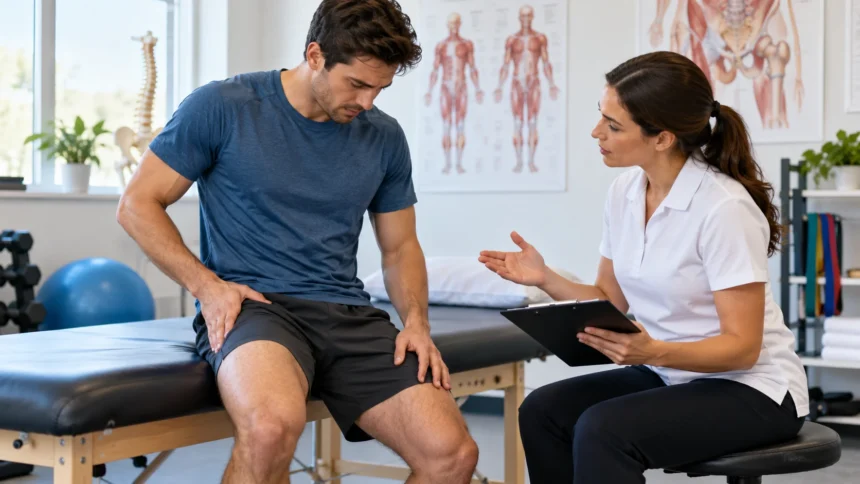
Diagnosing groin pain usually begins with a discussion of symptoms, recent activities, and relevant medical history. A healthcare professional may ask when discomfort started, whether an injury occurred, and which movements make symptoms better or worse. The answers help distinguish possible muscular injuries from hernias, joint conditions, or other medical problems.
A physical examination may include checking the groin for swelling, tenderness, unusual lumps, and changes in movement. The clinician may also examine the hips, abdomen, or nearby structures depending on the symptoms. Gentle movement tests can provide additional information about muscle function and joint involvement without necessarily requiring advanced investigations.
Additional testing is sometimes necessary when the cause remains uncertain or symptoms suggest a more complicated condition. Ultrasound, X-rays, or MRI scans may be recommended for specific clinical reasons. The choice of testing depends on the suspected diagnosis, examination findings, and whether serious conditions need to be ruled out.
Treatment Options for Groin Pain
Treatment for groin pain depends on the underlying cause rather than the location of discomfort alone. Mild muscular strains may improve with temporary activity adjustments and gradual rehabilitation. Other conditions, including certain hernias, infections, or joint problems, may require different medical treatments or specialist assessment.
For some muscle injuries, a healthcare professional may recommend appropriate rest from aggravating activities and a gradual return to movement. Cold packs can sometimes help manage short-term discomfort when applied with a protective cloth. Physical therapy may also support recovery by improving strength, mobility, and tolerance for everyday activities.
Medication or other interventions may be appropriate depending on the diagnosis and individual medical needs. For example, infections may require targeted treatment, while certain hernias may need surgical evaluation. Avoid relying on home remedies when pain is persistent, rapidly worsening, or associated with significant swelling or other concerning symptoms.
Gentle Exercises That May Support Groin Mobility
Gentle movement may help maintain mobility around the hips and inner thighs when discomfort is not caused by an acute or serious condition. Appropriate exercises can support muscle coordination and gradual strengthening during rehabilitation. However, movements should be selected according to the diagnosis, particularly after an injury or when pain remains unexplained.
A simple exercise involves lying on your back with your knees bent and slowly allowing one knee to move slightly outward. Keep the movement small and controlled while avoiding any position that causes pain. Return the leg to its starting position and repeat only within a comfortable range.
Another option is a gentle standing weight shift that encourages controlled movement through the hips. Stand with your feet comfortably apart and slowly transfer some weight from one leg to the other. Stop if symptoms increase, and seek guidance from a physical therapist when developing an exercise routine after a groin injury.
How to Prevent Common Groin Injuries
Preventing every groin injury is impossible, but several habits may help reduce certain activity-related risks. Maintaining appropriate strength and movement control around the hips is particularly useful for people participating in sports. Gradual training progression allows muscles and tendons to adapt to increasing physical demands without unnecessary sudden changes.
A warm-up can prepare the body for activities requiring quick movements, running, or directional changes. Gentle dynamic movements and sport-specific practice may be helpful before more demanding physical activity. Strengthening the adductor muscles and surrounding hip stabilizers can also be part of a balanced injury-prevention program.
Adequate recovery is another important consideration for maintaining healthy muscles and connective tissues. Repeated intense activity without sufficient rest may contribute to fatigue and reduced movement control. Pay attention to persistent discomfort and modify training when necessary rather than continuing to exercise through symptoms that may indicate an injury.
Everyday Habits for Maintaining Groin Health
Maintaining groin health involves a combination of comfortable movement, appropriate hygiene, and awareness of physical symptoms. Regular activity helps preserve strength and mobility around the hips and lower body. Choosing activities that match your current physical abilities can support general fitness without placing unnecessary demands on sensitive tissues.
Good hygiene practices may help prevent moisture-related irritation and certain skin problems. Gently washing the groin region, drying the skin thoroughly, and changing sweaty clothing can support skin comfort. Avoid using harsh products on irritated skin because they may worsen sensitivity or contribute to additional inflammation.
Comfortable clothing can also make daily activities easier, particularly when walking or exercising for extended periods. Fabrics that reduce excessive friction may help limit chafing around the upper thighs. If you notice recurring pain, swelling, unusual lumps, or persistent skin changes, medical assessment is more reliable than repeatedly attempting home treatments.
When Should You See a Doctor for Groin Pain?
Medical evaluation is recommended when groin pain persists, repeatedly returns, or interferes with normal daily activities. Symptoms that fail to improve after appropriate activity changes may indicate a condition requiring further assessment. Unexplained lumps, swelling, or changes in the surrounding skin should also be discussed with a healthcare professional.
Some symptoms require urgent medical attention rather than a routine appointment. Sudden severe groin or testicular pain, a painful nonreducible hernia, significant trauma, or pain accompanied by vomiting may indicate a serious condition. Fever with worsening swelling or redness can also suggest an infection that needs prompt evaluation.
Other concerning symptoms include difficulty walking, inability to bear weight, progressive numbness, or significant weakness. Pain accompanied by severe abdominal symptoms or faintness also requires immediate assessment. Recognizing these warning signs helps ensure that potentially serious medical problems receive appropriate attention without unnecessary delays.
Conclusion
The groin area is an important anatomical region connecting the lower abdomen, pelvis, and upper thighs. It contains muscles, nerves, blood vessels, lymph nodes, and connective tissues that support everyday movement. Understanding its basic anatomy can help you recognize common symptoms and better communicate concerns when seeking medical advice.
Groin discomfort may develop from muscular injuries, hip conditions, hernias, skin problems, or issues involving nearby organs. While some mild symptoms improve with appropriate activity adjustments, other conditions require medical assessment or targeted treatment. Identifying the underlying cause is essential because similar symptoms can result from very different health problems.
Maintaining physical activity, practicing appropriate hygiene, and developing balanced lower-body strength can support general groin health. Pay attention to persistent pain, swelling, unusual lumps, and other significant changes. With informed care and timely medical guidance when necessary, many common groin problems can be managed effectively while supporting comfortable everyday movement.
Frequently Asked Questions
1. Where Exactly Is the Groin Area Located?
The groin area is located where the lower abdomen meets the upper thighs on both sides of the body. It includes muscles, ligaments, nerves, blood vessels, and lymph nodes near the pelvis.
2. What Is the Most Common Cause of Groin Pain?
Muscle strain is a common cause of groin pain, especially among physically active individuals. However, hernias, hip conditions, swollen lymph nodes, and other medical problems can also produce discomfort in this region.
3. How Long Does Groin Pain Usually Last?
The duration depends on the underlying cause and severity. Mild muscle strains may improve within a few weeks, while more significant injuries or medical conditions can require longer treatment and rehabilitation.
4. Can Groin Pain Be a Sign of Something Serious?
Yes, groin pain can sometimes indicate a hernia complication, severe injury, infection, or another urgent condition. Sudden severe pain, significant swelling, vomiting, or testicular pain requires immediate medical assessment.
5. What Can I Do to Keep My Groin Area Healthy?
Maintain regular physical activity, strengthen the surrounding hip muscles, and practice gentle hygiene. Wear comfortable clothing, avoid sudden training increases, and seek medical advice for persistent pain or unusual changes.