Nightshade Vegetables: Benefits, Risks and Food List
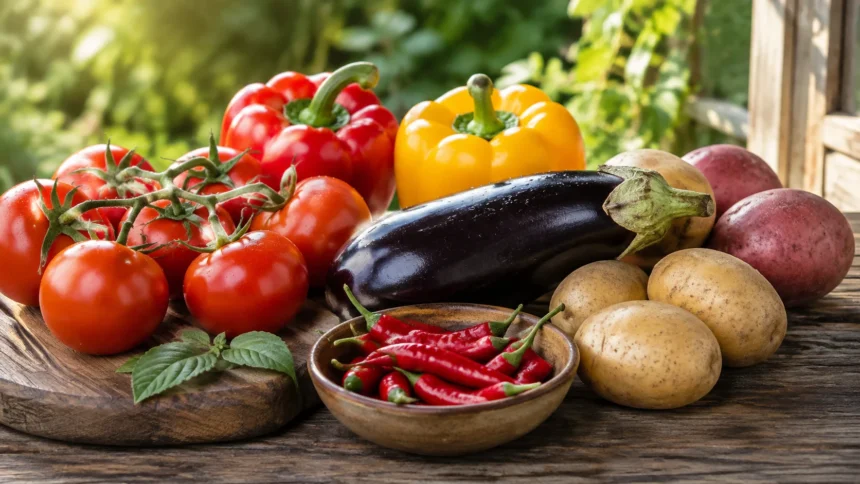
Nightshade vegetables have become one of the most debated food groups in modern nutrition. Tomatoes, potatoes, peppers and eggplants are nutritious staples in cuisines worldwide, yet some diets blame them for inflammation, digestive discomfort and arthritis pain. These concerns usually focus on naturally occurring plant chemicals called alkaloids, including potato glycoalkaloids and pepper capsaicin. Although excessive exposure to certain alkaloids can cause problems, properly stored and prepared nightshade foods are considered safe for most people. Research does not currently support removing all nightshades from everyone’s diet. Individual allergies, digestive conditions and personal symptom patterns still deserve thoughtful consideration.
The term “nightshade” refers to plants belonging to the Solanaceae botanical family rather than foods sharing one nutritional profile. This large family includes edible plants, medicinal herbs, decorative flowers and poisonous species that should never be consumed. The edible members vary significantly in flavor, color, nutrient content and natural plant compounds. A red bell pepper has different nutritional properties from a white potato, even though both belong to the same family. Grouping every nightshade together can therefore create misleading assumptions about how each food affects health. Responses should be evaluated according to the specific food, serving size, preparation method and individual consuming it.
People commonly investigate nightshades after hearing that solanine causes widespread inflammation or worsens autoimmune disease. However, solanine is primarily associated with potatoes, while other nightshades contain different alkaloids in varying concentrations. Tomatoes contain tomatine, chili peppers contain capsaicinoids and eggplants have their own characteristic plant compounds. The amounts present in commonly eaten ripe produce are generally much lower than those associated with toxicity. Green or heavily sprouted potatoes are a notable safety exception because their glycoalkaloid levels can become elevated. Recognizing this distinction prevents an unusual food-safety hazard from being applied incorrectly to the entire vegetable family.
Nightshade vegetables can contribute fiber, potassium, vitamin C, vitamin B6, carotenoids and other beneficial plant compounds to a balanced diet. Tomatoes provide lycopene, colorful peppers supply carotenoids, potatoes offer potassium and eggplant contributes fiber and anthocyanin pigments. Preparation can change their nutritional profile, particularly when vegetables are fried, heavily salted or combined with high-fat processed ingredients. French fries, for example, should not be nutritionally evaluated in the same way as a baked potato. Similarly, fresh tomato salsa differs from a pizza covered with processed meat and cheese. The wider meal pattern often matters more than the botanical category of one ingredient.
Some individuals may genuinely feel better after reducing a particular nightshade, but that experience does not prove the whole family is harmful. Tomatoes may trigger acid reflux, hot peppers can aggravate digestive burning and a person may have an allergy to one specific food. A structured elimination and reintroduction process can sometimes help identify a consistent personal trigger. Indefinite restriction without testing can unnecessarily remove affordable and nutrient-dense foods from the diet. People with complex medical conditions should work with a registered dietitian or qualified healthcare professional. This balanced approach respects personal symptoms while avoiding unsupported fear surrounding an entire category of vegetables.
What Are Nightshade Vegetables?
Nightshade vegetables are edible parts of plants in the Solanaceae family, also known as the potato or nightshade family. Despite their common name, several popular nightshades are botanically fruits because they develop from flowers and contain seeds. Tomatoes, bell peppers, chili peppers and eggplants are fruits in botanical terms, although cooks typically treat them as vegetables. Potatoes are underground tubers produced by a different part of the plant. This botanical classification does not make one nightshade healthier or more dangerous than another. It simply describes how the plants are related through shared structural and genetic characteristics.
The Solanaceae family contains thousands of species growing in many regions of the world. Some provide widely consumed foods, while others contain chemicals that make them unsuitable or dangerous for human consumption. Belladonna, sometimes called deadly nightshade, is a toxic relative but is not the same plant as an edible tomato or pepper. Confusing these species has contributed to the idea that all nightshades are inherently poisonous. Many botanical families contain both edible and toxic members without making their safe foods dangerous. Proper identification and normal food-safety practices remain essential, especially when gathering unfamiliar wild plants.
Edible nightshades produce alkaloids as part of their natural defense against insects, fungi, animals and environmental stress. An alkaloid is a broad category of biologically active plant compounds rather than a synonym for poison. Caffeine, for example, is also an alkaloid, yet moderate dietary exposure is tolerated by many adults. In nightshades, the type and concentration depend on the species, plant part, maturity, growing conditions and storage environment. Leaves and stems may contain different amounts than the fruit or tuber normally eaten. This is why tomato leaves and potato sprouts should not be treated like ripe tomatoes or sound potato flesh.
The health effects of any alkaloid depend heavily on dosage and individual sensitivity. A compound producing symptoms at a high concentration may cause no detectable problem at normal dietary levels. Potato glycoalkaloids illustrate this principle because excessive quantities can cause poisoning, while properly stored commercial potatoes are consumed safely worldwide. The presence of an alkaloid on an ingredient list does not automatically establish that a standard serving is inflammatory. Studies must consider actual dietary exposure instead of applying results from concentrated extracts or animal experiments directly to ordinary meals. Context, dose and food preparation are essential when interpreting health claims.
Nightshades do not form a required food group, so a person can construct a nutritious diet without eating them. However, avoiding them also does not provide an established health advantage for the general population. Anyone eliminating these foods must replace the fiber, vitamins, minerals and culinary variety they previously supplied. Sweet potatoes, squash, carrots, beets, leafy greens and cruciferous vegetables can provide useful alternatives. The goal should be maintaining a diverse, nutritionally adequate diet rather than following a label-driven restriction. Whether nightshades belong on someone’s plate should depend on evidence, personal tolerance and relevant medical needs.
Nightshade Vegetables and Foods List
Tomatoes are among the most frequently eaten nightshade foods and appear in numerous fresh and processed forms. Cherry tomatoes, plum tomatoes, beefsteak tomatoes and heirloom varieties all belong to the Solanaceae family. Tomato juice, paste, purée, ketchup, marinara sauce and salsa also count because their primary ingredient comes from tomatoes. Green tomatoes are members of the same family, although their alkaloid profile differs from fully ripened fruit. Cooking tomatoes can increase the availability of lycopene, especially when they are eaten with a small amount of fat. However, processing may also add sodium, sugar or oil, so labels remain important.
Regular potatoes are nightshades, including white, red, yellow, purple, russet, fingerling and new potatoes. Potato starch, potato flour, potato flakes and many products made primarily from potatoes also come from this family. Sweet potatoes and true yams are not nightshades because they belong to entirely different botanical families. This distinction is useful for people conducting a structured elimination diet and needing an alternative carbohydrate. The nutrient profile also differs among potato varieties and preparation methods. Baking, boiling or roasting a sound potato produces a different meal from consuming heavily salted chips or deep-fried potatoes regularly.
Peppers from the Capsicum genus are nightshades, including sweet and hot varieties. Bell peppers, jalapeños, serranos, poblanos, habaneros, cayenne peppers and many chili peppers belong to this group. Paprika, chili flakes and cayenne powder generally count because they are produced from dried Capsicum peppers. Black pepper and white pepper do not belong to the nightshade family because they come from Piper nigrum. This naming overlap often creates confusion during nightshade elimination diets. Pepper-based sauces may also contain tomatoes, vinegar, sugar or preservatives, making the complete ingredient list necessary when tracking a specific reaction.
Eggplant, also known as aubergine or brinjal, is another major edible nightshade. Purple, white, striped, round and slender Asian varieties all belong to the Solanum genus. The skin can supply anthocyanin pigments, while the flesh contributes water, fiber and a mild base for many recipes. Eggplant readily absorbs cooking oil, so preparation can substantially change the calorie density of a dish. Grilling, roasting, steaming or baking may require less oil than deep-frying. Anyone who dislikes one preparation should not assume every eggplant dish will have the same flavor, texture or nutritional value.
Less obvious nightshade foods include tomatillos, goji berries, goldenberries, cape gooseberries and ground cherries. Some regional foods, such as pepino melon and certain edible Solanum species, also belong to the broader family. Ashwagandha is botanically a nightshade but is typically consumed as an herbal supplement rather than a vegetable. Tobacco is another Solanaceae plant, although it is not a food and carries serious health risks when used. Blueberries, strawberries, cherries, mushrooms, zucchini, cucumbers, okra and beets are not nightshades. Checking botanical identity prevents unnecessary restrictions based only on a food’s color, name or appearance.
Nutritional Benefits of Nightshade Vegetables
Tomatoes are valued for vitamin C, potassium, folate and several carotenoid pigments. Their best-known compound is lycopene, which gives many tomatoes their red color and acts as an antioxidant in the body. Cooking and crushing tomatoes can make lycopene easier to absorb, particularly when the meal contains some dietary fat. Fresh tomatoes still provide hydration, fiber and nutrients with relatively few calories. Tomato-rich dietary patterns are often part of Mediterranean-style eating, which is associated with favorable health outcomes. Those benefits reflect the complete eating pattern and should not be attributed to one vegetable or antioxidant alone.
Bell peppers are especially rich in vitamin C, with the amount varying by color, ripeness and serving size. Red, orange and yellow peppers also provide carotenoids that contribute to their bright appearance. Their crisp texture can add volume and flavor to meals without large amounts of calories, sodium or saturated fat. They can be eaten raw, roasted, grilled or added to soups, stir-fries and salads. Hot peppers contain capsaicin, the compound responsible for their characteristic burning sensation. While capsaicin is biologically active, claims that chili peppers alone cause dramatic weight loss or cure disease go beyond current evidence.
Potatoes provide carbohydrate, potassium, vitamin C, vitamin B6 and smaller quantities of several other nutrients. When eaten with the skin, appropriately prepared potatoes can contribute additional fiber to the diet. Cooked and cooled potatoes may develop more resistant starch, which passes through the small intestine differently from rapidly digested starch. The nutritional value can become obscured when potatoes are repeatedly presented only as fries, crisps or heavily loaded restaurant dishes. A boiled or baked potato can fit into a balanced meal containing protein and non-starchy vegetables. Portion size and preparation remain important for people managing blood glucose or total energy intake.
Eggplant is naturally low in calories and contributes dietary fiber, particularly when the edible skin is retained. Purple varieties contain anthocyanin pigments, including compounds concentrated around the skin. These plant chemicals are being studied for antioxidant and other biological activities, but they should not be promoted as disease treatments. Eggplant’s main practical advantage is its ability to add volume, texture and versatility to meals. It works in curries, stews, dips, grilled dishes and vegetable-based sauces. Cooking it with modest amounts of unsaturated fat can produce a satisfying dish without the heaviness of deep-fried preparations.
Eating a variety of nightshades can increase overall plant diversity, which supports a broader intake of vitamins, minerals and phytochemicals. Different colors often indicate different plant pigments, so alternating red tomatoes, purple potatoes, green peppers and eggplant can add nutritional variety. Their fiber can contribute to digestive regularity and help make meals more satisfying. Nightshades can also help people build flavorful plant-forward dishes without relying heavily on processed meats or excessive salt. These advantages disappear if the foods consistently cause a confirmed reaction or medical problem. For most people, however, properly prepared nightshades can be useful components of a varied diet.
Alkaloids and the Real Risks of Eating Nightshades
Glycoalkaloids are natural compounds found most notably in potatoes, with alpha-solanine and alpha-chaconine receiving particular attention. Concentrations are usually highest in sprouts, damaged areas, green skin and the tissue around potato eyes. Light exposure, physical injury, aging and unsuitable storage conditions can increase these compounds. Chlorophyll causes the green color and is not itself the toxin, but greening can signal conditions that also encourage glycoalkaloid production. Potatoes with extensive greening, numerous sprouts or a strong bitter taste should be discarded. Removing one tiny green spot may be reasonable, but severely affected potatoes are not worth the risk.
Excessive potato glycoalkaloid exposure can cause nausea, vomiting, abdominal pain and diarrhea. More serious poisoning may produce weakness, confusion or neurological symptoms, although such cases are uncommon. A bitter taste or burning sensation in the mouth can be an important warning sign. Cooking methods such as boiling, baking or microwaving do not reliably remove all glycoalkaloids from an unsafe potato. Peeling can reduce exposure because concentrations are often higher near the skin, but it cannot guarantee safety in a severely green tuber. When appearance, taste or storage history raises concern, discarding the potato is the safest decision.
Store potatoes in a cool, dry and dark location to reduce sprouting and greening. Avoid keeping them in direct sunlight, on a bright kitchen counter or beside a window. Inspect each potato before preparation and remove minor sprouts, eyes, bruises or small green areas generously. Never eat potato sprouts, flowers or leaves, and do not use bitter potato flesh in soups or other dishes. Children may be more vulnerable to a given dose because of their smaller body size. Sensible storage and inspection manage this specific hazard without requiring healthy people to avoid all potatoes or nightshades.
Tomatoes contain tomatine, with higher levels generally found in unripe fruit and green plant tissues. Ripe tomatoes normally contain much smaller quantities and are widely consumed without alkaloid-related illness. Green tomatoes are used traditionally in some cooked dishes, but moderation and proper food preparation are reasonable. Tomato leaves and stems should not be treated as edible greens simply because the ripe fruit is safe. Eggplant also contains glycoalkaloids, but commonly eaten varieties and portions are not generally associated with poisoning. The practical risk varies significantly across the family and should not be reduced to the inaccurate statement that every nightshade contains dangerous solanine.
Capsaicin in hot peppers creates burning by activating receptors involved in sensing heat and irritation. For many people, moderate amounts add enjoyable flavor without causing lasting harm. Others may experience mouth burning, abdominal discomfort, diarrhea or worsening reflux after spicy meals. This reaction is different from poisoning by high potato glycoalkaloid levels and should be managed according to individual tolerance. Extremely hot peppers can cause intense short-term symptoms, especially when consumed in challenges or concentrated forms. Gloves, careful handling and avoiding contact with the eyes are sensible when preparing unusually hot chili varieties.
Do Nightshades Cause Inflammation or Arthritis Pain?
The claim that nightshade vegetables cause inflammation is widespread, but strong human evidence supporting universal avoidance is lacking. Much of the concern is based on theoretical effects of alkaloids, laboratory findings, animal studies or personal reports. These sources can generate useful research questions, but they cannot prove that normal portions inflame the joints of most people. Tomatoes and peppers also contain nutrients and phytochemicals commonly included in balanced anti-inflammatory eating patterns. Removing them may reduce dietary diversity without addressing the true cause of symptoms. Current evidence does not justify recommending a nightshade-free diet to every person with arthritis.
Arthritis pain naturally fluctuates, making food triggers difficult to identify without a structured process. Symptoms may change with sleep, stress, medication use, activity level, body weight, infections and weather. If someone removes several foods during a painful period and later feels better, the improvement may not necessarily come from avoiding nightshades. Reducing processed food, restaurant meals or total calories at the same time can also influence symptoms. A careful food and symptom diary can reveal whether reactions occur repeatedly after the same item. Consistency across elimination and reintroduction is more informative than one good or bad day.
Rheumatoid arthritis, psoriatic arthritis and other inflammatory conditions involve complex immune mechanisms that are not caused by a single vegetable family. Nutritious dietary patterns may support general health and weight management, but they do not replace disease-modifying treatment. Stopping medication because symptoms seem connected to food can allow permanent joint damage to progress. Anyone with an autoimmune condition should discuss major dietary changes with their healthcare team. A dietitian can help maintain adequate fiber, potassium, vitamin C and overall energy intake during a trial. Dietary experimentation should complement appropriate medical care rather than compete with it.
Research into nightshades and inflammatory bowel disease is also limited and does not support one rule for every patient. Concentrated glycoalkaloids have produced concerning effects in some experimental models, but ordinary human meals involve different exposures. During active digestive symptoms, tomato acidity, chili heat, potato skin or large fiber portions may be uncomfortable for practical reasons. That does not prove the Solanaceae family itself initiated the intestinal disease. People with Crohn’s disease, ulcerative colitis or irritable bowel syndrome often have highly individual tolerances. A gastroenterology dietitian can help separate personal triggers from unnecessarily broad food restrictions.
If joint pain consistently follows a particular nightshade, a short, organized elimination may be reasonable. Remove the suspected foods for a defined period while keeping medications, activity and other dietary habits as stable as possible. Reintroduce each food separately and observe whether similar symptoms return more than once. If nothing changes during elimination or reintroduction, continuing the restriction offers little practical value. Severe symptoms, swelling or progressive joint problems require medical evaluation regardless of dietary timing. Personal experience matters, but it becomes more useful when tested in a structured way rather than treated as universal proof.
Who May Need to Limit or Avoid Certain Nightshades?
A true food allergy is a clear reason to avoid the specific nightshade responsible for the reaction. Symptoms can include hives, itching, lip or tongue swelling, vomiting, wheezing, breathing difficulty or a sudden drop in blood pressure. Tomato can also participate in pollen-food allergy syndrome, causing an itchy mouth or scratchy throat in some people with pollen allergies. Reactions to one nightshade do not automatically establish an allergy to every member of the family. An allergist can use the clinical history and appropriate testing to clarify the trigger. Breathing difficulty, throat swelling, faintness or rapidly spreading symptoms require emergency care.
Food intolerance differs from allergy because it does not necessarily involve the same immune mechanism. Someone may tolerate a small amount of tomato but develop bloating, diarrhea or reflux after a large portion of tomato sauce. Hot peppers commonly create dose-dependent digestive burning rather than a true allergic reaction. Restaurant dishes also contain garlic, onion, dairy, wheat, oils and additives that may be the actual trigger. Testing simpler preparations can sometimes make patterns easier to recognize. Persistent digestive symptoms deserve professional evaluation because celiac disease, reflux, ulcers, gallbladder problems and other conditions may be mistakenly blamed on nightshades.
People with gastroesophageal reflux disease may find that tomatoes, tomato sauce or spicy peppers worsen heartburn. Tomato products are acidic, while capsaicin can create burning and discomfort in sensitive individuals. Triggers vary, so every person with reflux does not need to remove these foods automatically. Smaller servings, milder peppers and avoiding late-night meals may improve tolerance. Keeping a symptom diary can show whether the same food repeatedly causes problems under similar circumstances. Frequent reflux, painful swallowing, unexplained weight loss, vomiting or gastrointestinal bleeding requires medical assessment rather than dietary experimentation alone.
Potatoes, tomatoes and certain other nightshades can contribute substantial potassium, which is beneficial for many healthy people. Someone with advanced kidney disease may need a personalized potassium limit depending on kidney function, medications and laboratory results. This does not mean nightshades damage healthy kidneys or that every kidney patient needs identical restrictions. Preparation methods, serving sizes and the rest of the daily diet influence total potassium exposure. A renal dietitian can recommend suitable portions or lower-potassium alternatives. Removing foods without reviewing blood results may create unnecessary nutritional limitations or produce an eating plan that is difficult to maintain.
People with a history of restrictive eating should approach broad elimination diets cautiously. Removing tomatoes, potatoes, peppers, eggplant, spices and packaged products can create significant anxiety and make social eating more difficult. Children, pregnant people, athletes and anyone at risk of malnutrition require particular attention to nutrient and energy replacement. A short elimination should have a specific purpose, a defined duration and a planned reintroduction phase. If fear expands to unrelated foods, professional support may be necessary. A diet should improve health and quality of life rather than create escalating rules unsupported by symptoms or medical evidence.
How to Prepare and Eat Nightshades Safely
Choose nightshade vegetables that look fresh, firm and appropriate for their variety. Tomatoes should be free from mold and deep damage, while peppers should have intact skin without soft, decaying areas. Eggplants are generally best when their skin looks glossy and the flesh feels firm for its size. Potatoes require special inspection for greening, sprouting, bruising, decay and bitter flavor. Wash produce under clean running water before cutting or cooking it. Soap, bleach and household cleaning products should never be applied to fruits or vegetables intended for eating.
Different cooking methods can improve flavor, texture and the availability of certain nutrients. Roasting tomatoes concentrates their taste, while combining cooked tomato with olive oil can help the body absorb fat-soluble carotenoids. Bell peppers can be eaten raw for crunch or cooked into soups, sauces and stir-fries. Eggplant becomes tender when grilled, baked or stewed, although it can absorb considerable oil during frying. Potatoes can be baked, boiled, steamed or roasted and paired with protein and other vegetables. The healthiest preparation depends on the complete meal rather than whether the nightshade is raw or cooked.
Cooking does not make a severely green or heavily sprouted potato safe. Glycoalkaloids are not reliably eliminated through ordinary boiling, baking, frying or microwaving. Discard any potato that remains bitter, produces a burning sensation or has extensive green tissue. Store sound potatoes away from light and inspect them again immediately before use. Never allow children to eat raw potato sprouts or unidentified parts of nightshade plants from a garden. Food safety depends on recognizing the risky plant part, not fearing every properly prepared potato dish.
If nightshades are well tolerated, include them as part of a varied eating pattern rather than relying on one food for health benefits. Add peppers and tomatoes to salads, combine eggplant with beans or lean protein, and serve potatoes alongside non-starchy vegetables. Use herbs, spices and healthy fats to create flavor without excessive sodium or heavily processed sauces. Rotate nightshades with broccoli, leafy greens, carrots, squash, legumes and other plant foods. Dietary diversity helps provide a wider range of nutrients and textures. No vegetable needs to appear at every meal to be considered beneficial.
Pay attention to how the body responds without assuming every symptom must come from food. Record the specific ingredient, portion, preparation, timing and symptoms when a reaction seems possible. Tomato sauce may cause reflux while a small serving of fresh tomato produces no discomfort. A hot chili dish may trigger symptoms even though sweet bell peppers remain well tolerated. These differences can preserve more dietary variety than eliminating the whole family. Seek professional help when reactions are severe, inconsistent, nutritionally disruptive or difficult to interpret.
How to Try a Nightshade Elimination Diet Carefully
A nightshade elimination diet is a temporary method of testing whether these foods contribute to repeatable symptoms. It is not a proven cure for arthritis, autoimmune disease, chronic pain or digestive disorders. Before beginning, identify the exact symptom being measured, such as morning joint stiffness, reflux episodes or abdominal discomfort. Record its usual severity for several days while eating normally. Continue prescribed medication unless the treating clinician advises otherwise. Establishing a baseline makes later changes easier to interpret and reduces the likelihood of attributing normal symptom variation to diet.
During the elimination period, remove the major edible nightshades and foods made from them. This generally includes tomatoes, regular potatoes, eggplant, bell peppers, chili peppers, paprika, cayenne, tomatillos and goji berries. Read ingredient labels because tomato powder, potato starch, paprika and pepper-derived spices can appear in packaged foods. Black pepper, sweet potatoes, mushrooms and zucchini can remain because they are not nightshades. Replace removed foods with nutritionally suitable alternatives instead of simply shrinking the diet. A registered dietitian can help when the restriction involves many usual meals or important nutrient sources.
A trial of roughly two to four weeks is often long enough to observe a meaningful pattern without creating indefinite restriction. Keep other major lifestyle factors as stable as reasonably possible during this period. Record sleep, stress, physical activity, medication changes and illness because each can influence pain or digestion. If symptoms do not improve, nightshades become a less convincing explanation. Remaining on a restrictive diet despite no measurable benefit can reduce food variety unnecessarily. Discuss persistent symptoms with a healthcare professional rather than repeatedly adding new food groups to the exclusion list.
Reintroduction is necessary because elimination alone cannot show whether nightshades were truly responsible. Add back one food at a time in a simple preparation and begin with a modest portion. If no reaction appears, try a normal serving and observe symptoms over the following day or two. Keep the other eliminated foods out until that individual test is complete. A reaction that occurs repeatedly during separate challenges is more meaningful than a single episode. Do not deliberately reintroduce a food that previously caused breathing difficulty, throat swelling, faintness or another potentially severe allergic reaction.
The ideal outcome is the least restrictive diet that keeps symptoms manageable and nutrition adequate. Someone may discover that chili peppers worsen reflux while tomatoes, potatoes and eggplant cause no difficulty. Another person may tolerate cooked tomato but experience oral itching after eating it raw. These findings support targeted changes rather than permanent avoidance of the entire family. If no consistent trigger emerges, nightshades can usually return to the diet without fear. The most useful food plan is personalized, evidence-aware and flexible enough to support both physical health and everyday life.
Frequently Asked Questions About Nightshade Vegetables
What foods are considered nightshade vegetables?
The main edible nightshades are tomatoes, regular potatoes, eggplants, bell peppers and chili peppers. Tomatillos, goji berries, goldenberries, ground cherries, paprika and cayenne also come from plants in the Solanaceae family.
Are sweet potatoes considered nightshades?
No, sweet potatoes are not nightshades and belong to a different botanical family from regular potatoes. They can often serve as an alternative carbohydrate during a medically appropriate nightshade elimination trial.
Do nightshade vegetables cause inflammation?
Current evidence does not show that nightshades cause inflammation in most people. A person may still have an allergy, intolerance, reflux trigger or individual symptom pattern involving one particular nightshade food.
Should people with arthritis avoid nightshades?
Routine nightshade avoidance is not supported for everyone with arthritis. People who notice a consistent association can conduct a brief elimination and structured reintroduction while continuing appropriate medical treatment.
Is it safe to eat green potatoes?
Potatoes with extensive greening, heavy sprouting, bitterness or a burning taste should be discarded because they may contain elevated glycoalkaloid levels. Cooking does not reliably make a severely affected potato safe.