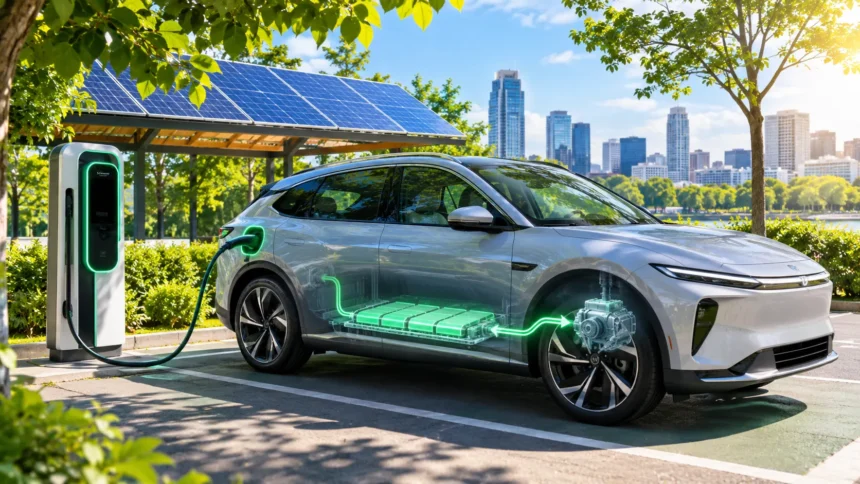
Electric cars are changing the transportation industry as more people look for cleaner and more energy-efficient ways to travel. However, many drivers still wonder how these vehicles work without gasoline or diesel engines. Questions about battery charging, driving range, electricity consumption, and environmental impact can make electric vehicle technology seem complicated. Understanding the basics can help explain why electric cars are becoming an important part of modern transportation.
Electric cars use rechargeable batteries and electric motors instead of relying entirely on traditional internal combustion engines. These vehicles convert stored electrical energy into movement, allowing them to operate without producing exhaust emissions from a tailpipe. However, their overall environmental impact depends on electricity generation, battery manufacturing, vehicle size, and other factors.
This guide explains how electric cars work, their main components, charging systems, and environmental benefits. It also explores battery production, greenhouse gas emissions, operating costs, and whether electric vehicles are genuinely better for the Earth.
What Are Electric Cars?
Electric cars are vehicles that use electrical energy to power one or more motors responsible for moving the wheels. Unlike conventional gasoline vehicles, fully electric cars do not require fuel combustion to generate propulsion. Instead, they store electricity in rechargeable battery packs that supply energy to the vehicle’s electrical systems and motors.
Battery electric vehicles, commonly called BEVs, operate entirely on stored electricity. They do not contain a conventional gasoline engine and must receive electrical energy from an external charging source. Modern electric vehicles also include sophisticated electronic systems that control energy distribution, battery temperature, acceleration, and overall driving performance.
Electric cars are available in different designs, including compact vehicles, sedans, SUVs, and commercial vehicles. Their driving range, battery capacity, and charging capabilities vary significantly between models. Understanding these differences is important because not every electric car provides the same performance, convenience, or environmental advantages under identical driving conditions.
How Do Electric Cars Work?
Electric cars work by converting electrical energy stored inside a battery into mechanical energy that moves the vehicle. When the driver presses the accelerator, an electronic controller manages the electricity delivered to the motor. The motor produces rotational force, which passes through the vehicle’s drivetrain and turns the wheels.
The battery stores energy as direct current, commonly known as DC electricity. Many electric vehicle motors operate using alternating current, so power electronics convert the battery’s electrical output into the appropriate form. These components also regulate motor speed and torque to provide controlled acceleration under different driving conditions.
Unlike gasoline engines, electric motors do not need to burn fuel to create movement. They can deliver strong torque at low speeds, contributing to responsive acceleration and smooth operation. Electric vehicles also use regenerative braking systems that recover some energy during slowing, helping improve overall efficiency.
Main Components of an Electric Car
The traction battery pack is one of the most important components of an electric vehicle because it stores energy used for propulsion. Most modern electric cars use lithium-ion battery technology, although battery chemistry varies. A battery management system monitors conditions such as temperature, voltage, and charge levels to help maintain safe operation.
The electric motor converts stored electrical energy into mechanical movement, while the power electronics controller regulates electricity flowing between the battery and motor. Electric cars also contain charging equipment and thermal management systems. These components work together to control energy use and maintain suitable operating temperatures.
Other important components include the charging port, onboard charger, transmission, and low-voltage electrical systems. The onboard charger converts incoming alternating current into direct current when needed for battery charging. Although electric cars generally have fewer moving engine-related components than gasoline vehicles, they still require complex engineering and regular maintenance.
How Do Electric Car Batteries Work?
Electric car batteries store energy through chemical processes that allow electricity to be released when needed. Most modern battery packs contain many individual cells connected in carefully designed arrangements. These cells work together to provide the voltage and energy capacity required for vehicle propulsion and other electrical functions.
During driving, chemical reactions within the battery allow electrical energy to flow through the vehicle’s power system. During charging, external electricity drives reactions that restore stored energy. A battery management system supervises these processes and helps prevent operating conditions that could damage cells or create safety concerns.
Battery capacity is generally measured in kilowatt-hours, abbreviated as kWh. A larger battery can store more energy, but driving range also depends on vehicle efficiency, weight, weather, and driving conditions. Battery performance gradually changes with age and use, making thermal management and appropriate charging important for long-term operation.
How Are Electric Cars Charged?
Electric cars recharge by receiving electricity from an appropriate external charging source. Many vehicles can charge through suitable home charging equipment, while public charging stations provide additional options. The amount of time required depends on battery capacity, available charging power, the vehicle’s capabilities, and its current state of charge.
Alternating-current charging is commonly used for home and destination charging. The vehicle’s onboard charger converts incoming AC electricity into the DC electricity required by the battery. Higher-powered AC charging equipment may reduce charging time compared with lower-powered sources, although actual performance depends on the vehicle’s charging limits.
DC fast charging supplies direct current through specialized equipment and can replenish battery energy more quickly under suitable conditions. However, charging speed often decreases as the battery approaches a high state of charge. Battery temperature, charger compatibility, and vehicle specifications also influence charging performance, making charging times different across models.
What Is Regenerative Braking in Electric Cars?
Regenerative braking is a technology that allows electric vehicles to recover some energy during deceleration. Instead of relying entirely on friction brakes, the electric motor can operate as a generator when the vehicle slows down. This process converts part of the vehicle’s kinetic energy back into electrical energy.
The recovered electricity is directed toward the battery, where it can contribute to future driving. Regenerative braking is particularly useful in city traffic, where vehicles frequently slow down and accelerate again. However, the system cannot recover all the energy used during driving because conversion losses and other physical limitations remain.
Regenerative braking can also reduce some wear on conventional friction brakes by handling part of the slowing process. Nevertheless, electric cars still require regular braking systems for safe and reliable operation. The effectiveness of regeneration depends on vehicle design, battery conditions, driving circumstances, and how the braking system is controlled.
Different Types of Electric Vehicles
Electric vehicles are available in several categories, including battery electric vehicles, plug-in hybrid electric vehicles, and conventional hybrids. Each type combines electrical energy and propulsion technology differently. Understanding these distinctions helps explain why some vehicles operate entirely without gasoline while others still depend on internal combustion engines.
Battery electric vehicles run exclusively on electricity stored in rechargeable batteries. Plug-in hybrid electric vehicles combine an electric motor with a conventional engine and can receive electricity from external charging equipment. Their electric-only range is generally more limited than that of fully electric vehicles, and they produce exhaust emissions when the engine operates.
Conventional hybrid vehicles also combine electric motors and gasoline engines but generally cannot be plugged into an external charging source. Their batteries receive energy through the engine and regenerative braking. Although hybrids can improve fuel efficiency, fully electric vehicles provide the greatest opportunity to eliminate tailpipe emissions during normal driving.
How Far Can Electric Cars Travel on One Charge?
Electric car driving range refers to the distance a vehicle can travel before its battery requires additional charging. The available range depends on battery capacity, motor efficiency, vehicle weight, and aerodynamic design. Different models provide different estimated ranges, making it important to compare specifications according to actual driving needs.
Weather conditions can significantly influence electric vehicle range because batteries and cabin climate systems require energy. Cold temperatures may increase heating demands and reduce battery efficiency. Extremely hot weather can also increase energy consumption through air conditioning and battery cooling systems, although the effects vary by vehicle.
Driving habits and road conditions also affect energy consumption. Higher speeds generally increase aerodynamic resistance, while steep hills and heavy loads require additional energy. City driving may provide more opportunities for regenerative braking, making some electric vehicles particularly efficient during frequent stopping and starting.
Are Electric Cars Better for the Environment?
Electric cars are generally better for the climate than comparable gasoline vehicles when their full lifecycle greenhouse gas emissions are considered. They produce no exhaust emissions during driving, helping reduce local pollution from vehicle tailpipes. However, generating electricity and manufacturing vehicles still create environmental impacts that must be included in comparisons.
Lifecycle analysis examines emissions associated with manufacturing, energy production, vehicle operation, and eventual disposal or recycling. Electric cars may initially have higher manufacturing emissions because battery production requires additional materials and energy. However, their greater energy efficiency often allows them to achieve lower total emissions over their useful lives.
The environmental advantage depends on factors such as electricity generation, battery size, vehicle efficiency, and total distance driven. Electric cars charged using cleaner electricity typically provide greater emissions reductions. Even in many regions relying partly on fossil fuels for electricity, comparable battery electric vehicles can produce lower lifetime greenhouse gas emissions than gasoline cars.
How Does Electricity Generation Affect EV Emissions?
Electric cars do not produce tailpipe exhaust, but the electricity used to charge them must come from an energy source. Power grids may use natural gas, coal, nuclear energy, hydropower, solar panels, or wind turbines. The environmental impact of charging depends partly on the mix of energy sources supplying electricity.
When electricity comes from coal or other fossil fuels, power generation releases greenhouse gases and certain air pollutants. Charging with lower-carbon electricity generally reduces these indirect emissions. However, electric motors remain highly efficient at converting energy into movement, helping limit total energy requirements compared with conventional gasoline propulsion.
As electricity systems incorporate more low-carbon generation, the operational emissions associated with electric cars can decline. This means an electric vehicle’s environmental performance may improve during its lifetime as the grid becomes cleaner. Regional electricity conditions therefore matter when evaluating environmental benefits, particularly across countries with very different energy systems.
Environmental Impact of Electric Car Batteries
Electric vehicle batteries require materials such as lithium, graphite, and other minerals, depending on their chemistry. Extracting and processing these materials can consume energy, water, and other resources. Mining activities may also affect land, ecosystems, and nearby communities when environmental safeguards and responsible operating practices are inadequate.
Battery manufacturing requires additional energy because producing cells involves several industrial processes. As a result, electric cars often have a larger manufacturing carbon footprint than comparable gasoline vehicles. However, this initial difference can be offset through lower operating emissions during the vehicle’s lifetime, depending on electricity sources and usage.
Battery recycling and reuse are important areas of technological development. Recycling processes can recover certain valuable materials and reduce dependence on newly extracted resources. Nevertheless, collection systems, recycling costs, and recovery efficiency remain challenges, making responsible battery production and end-of-life management essential to improving electric vehicle sustainability.
Electric Cars vs. Gasoline Cars: Key Differences
The main difference between electric and gasoline cars is how they generate power for movement. Electric cars use stored electricity and electric motors, while gasoline vehicles burn fuel inside internal combustion engines. This fundamental difference influences energy efficiency, emissions, maintenance requirements, and the overall driving experience.
Electric motors typically convert a much greater proportion of available energy into useful movement than gasoline engines. They also deliver smooth acceleration and operate relatively quietly. Gasoline vehicles, however, benefit from established refueling infrastructure and can often replenish their usable driving range more quickly than electric vehicles recharge.
Maintenance requirements also differ because electric cars generally do not need engine oil changes, spark plugs, or conventional exhaust system maintenance. They still require tires, brakes, suspension inspections, and other services. The most practical choice depends on driving needs, infrastructure availability, purchase costs, and environmental priorities.
Are Electric Cars Cheaper to Own?
Electric cars can have lower operating costs than gasoline vehicles because electric motors are energy-efficient and electricity may cost less per distance traveled. However, electricity prices vary considerably by location and charging method. Public fast charging can sometimes cost substantially more than charging at home.
Purchase prices also influence the total cost of ownership because electric vehicles may have higher initial costs than comparable gasoline models. Battery capacity, vehicle size, brand, and available incentives can affect pricing. Insurance, financing, repairs, and depreciation must also be considered when comparing long-term ownership expenses.
Maintenance expenses may be lower for certain electric vehicles because their drivetrains contain fewer routine service items. However, specialized repairs and battery-related problems can be expensive. A realistic financial comparison should consider total ownership costs over several years rather than assuming every electric car is automatically cheaper to operate or purchase.
Challenges and Disadvantages of Electric Cars
One important challenge involves charging infrastructure, particularly in regions where public charging stations are limited. Drivers without convenient home charging may find electric vehicle ownership less practical. Long-distance journeys can also require additional planning when charging locations are far apart or equipment availability is uncertain.
Battery charging generally takes longer than filling a conventional fuel tank, especially when using lower-powered equipment. Cold weather, battery temperature, and charger limitations can increase charging time. These differences may create inconvenience for drivers who frequently travel long distances or depend on vehicles for demanding daily schedules.
Environmental concerns also remain because batteries require resource extraction and energy-intensive production. Electric vehicles continue to generate tire particles and other non-exhaust pollution during operation. Addressing these challenges requires improvements in battery technology, cleaner electricity generation, charging access, and responsible manufacturing practices.
Future of Electric Cars and Sustainable Transportation
The future of electric cars will be influenced by battery innovation, charging infrastructure, electricity generation, and manufacturing improvements. Researchers are developing new battery materials and designs intended to improve energy storage, charging performance, and durability. However, promising laboratory technologies must undergo extensive testing before becoming widely available.
Charging networks are also evolving as governments, businesses, and energy providers expand access to electric vehicle infrastructure. Faster charging equipment and improved reliability may make electric cars more practical for different driving needs. The environmental benefits can increase further when charging systems rely on cleaner electricity sources.
Electric vehicles are only one part of sustainable transportation because traffic congestion, resource use, and urban planning also influence environmental outcomes. Public transportation, walking, cycling, and more efficient urban design can further reduce transportation emissions. Combining vehicle electrification with broader improvements offers greater opportunities for developing cleaner and more sustainable mobility systems.
Conclusion
Electric cars work by using rechargeable batteries to supply electricity to motors that drive their wheels. Advanced power electronics, battery management systems, and regenerative braking help improve efficiency and driving performance. Unlike traditional gasoline vehicles, fully electric cars do not burn fuel during operation or release exhaust emissions from a tailpipe.
Electric vehicles generally produce fewer greenhouse gas emissions over their lifetimes than comparable gasoline cars, although the exact difference depends on manufacturing and electricity generation. Battery production creates environmental challenges, while mining and recycling require responsible management. Cleaner power grids and improved battery technologies can strengthen the environmental advantages of electric transportation.
Understanding how electric cars work makes it easier to evaluate their benefits and limitations realistically. They offer opportunities to reduce transportation emissions, improve energy efficiency, and lower some operating costs. However, sustainable transportation also requires reliable charging infrastructure, responsible manufacturing, and continued progress toward cleaner energy systems.
Frequently Asked Questions (FAQs)
How do electric cars work in simple words?
Electric cars use rechargeable batteries to supply electricity to motors that turn the wheels. Unlike gasoline cars, fully electric vehicles do not burn fuel to create movement and produce no tailpipe exhaust.
Are electric cars really better for the Earth?
Electric cars generally produce lower lifetime greenhouse gas emissions than comparable gasoline vehicles. However, environmental benefits depend on electricity generation, battery manufacturing, vehicle size, and how much the car is driven.
How long does an electric car battery last?
Electric car batteries are generally designed for many years of use, but their lifespan varies with battery chemistry, temperature, charging habits, and vehicle design. Capacity usually decreases gradually over time.
Do electric cars produce pollution?
Electric cars produce no tailpipe exhaust, but electricity generation, manufacturing, tire wear, and battery production can create pollution. Their overall environmental impact is generally lower than comparable gasoline vehicles in lifecycle emissions studies.
Can electric cars run without charging?
Fully electric cars require electricity stored in their batteries and eventually need recharging. Regenerative braking can recover some energy during driving, but it cannot replace the need for external charging.