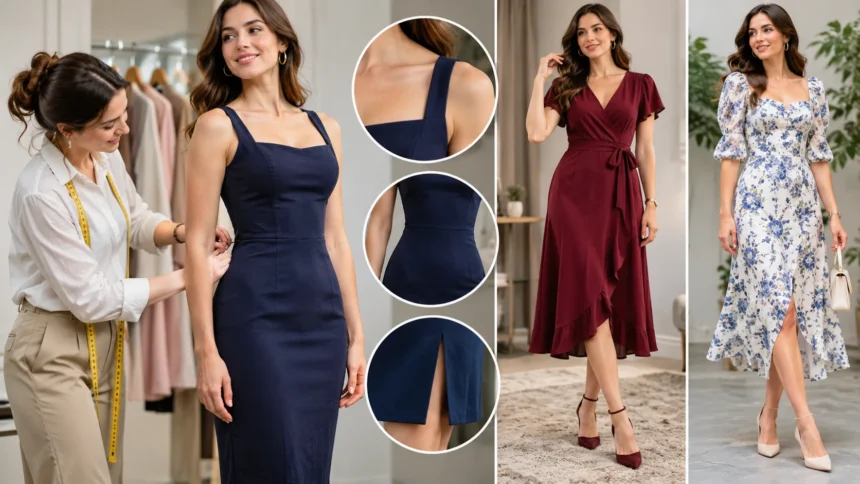
Finding a dress that fits comfortably can make getting dressed easier and more enjoyable. However, dress sizes, fabrics, and designs vary between brands, making it difficult to know which option will work best. A dress that looks appealing on a hanger may feel completely different once you try it on.
Understanding dress fit helps you choose clothing that suits your comfort preferences, personal style, and daily activities. From checking shoulder seams to understanding waist placement, a few practical details can make shopping easier. The right fit should allow comfortable movement without requiring constant adjustments.
This dress fit guide explains how to understand sizing, compare different silhouettes, and recognize common fitting problems. You will also discover useful measurement techniques, alteration tips, and outfit examples. Whether you prefer casual dresses, workwear, or formal outfits, these suggestions can help you make informed clothing choices.
What Does a Good Dress Fit Really Mean?
A good dress fit means the garment sits comfortably and functions as intended. It should allow you to breathe, sit, walk, and move without unnecessary restriction. The exact fit depends on the dress design, fabric, and your personal preferences rather than one universal standard.
Some dresses are designed to follow the body’s natural outline, while others feature relaxed or flowing silhouettes. Neither style is automatically better than the other. What matters is how the garment feels, how it moves, and whether it creates the appearance you want.
For example, a fitted sheath dress may feel comfortable when its seams align properly and the fabric provides enough movement. Meanwhile, an oversized shirt dress offers a looser shape. Both can fit correctly even though their construction and appearance are very different.
Why Dress Fit Matters More Than the Size Label
Clothing sizes are not completely standardized across fashion brands. One manufacturer’s medium may fit differently from another brand’s medium, even when the garments appear similar. Therefore, relying entirely on size labels can lead to unnecessary shopping frustration.
The garment’s measurements, fabric, and design often provide more useful information than the number printed on its tag. A well-fitting dress should support comfortable movement and suit the occasion. Choosing a different labeled size is simply part of finding the right garment.
For example, you might wear one size in a stretchy jersey dress and another in a structured cotton design. These differences reflect garment construction rather than a problem with your body. Focus on practical fit details instead of expecting every brand to use identical measurements.
How to Take Accurate Dress Measurements
Taking basic measurements can make online and in-store dress shopping easier. The most useful measurements usually include the bust, waist, hips, and desired dress length. A flexible measuring tape is helpful because it follows the natural contours of clothing measurement areas.
Stand comfortably and keep the tape level without pulling it tightly. Measure around the fullest part of the bust and hips, then locate the natural waist according to the garment’s sizing instructions. Record the measurements so you can compare them with different brand charts.
Dress length is another important measurement, especially when buying clothing online. Check whether the brand measures from the shoulder, neckline, or another starting point. Understanding these differences reduces surprises when the dress arrives and helps you select a length that meets your preferences.
How to Read a Dress Size Chart Correctly
A dress size chart explains how a brand translates measurements into clothing sizes. It may include body measurements, garment measurements, or both. Understanding which measurements are shown is important because finished garments often include extra room for movement.
Compare your measurements with the brand’s specific chart rather than a general clothing size guide. If measurements fall between sizes, consider the fabric, silhouette, and intended fit. Stretchy materials may behave differently from woven fabrics that offer little flexibility.
For example, a relaxed cotton dress may already include generous room through the waist and hips. A structured dress may require more precise sizing to sit comfortably. Always check product descriptions and customer feedback for additional information about how the garment fits.
How Should a Dress Fit Around the Shoulders?
The shoulders influence how a dress hangs and moves. For designs with defined shoulder seams, those seams generally sit near the intended shoulder position. However, dropped shoulders, oversized shapes, and decorative sleeve constructions follow different design rules.
A dress may feel restrictive if its shoulder area does not allow comfortable arm movement. You might notice pulling when reaching forward or raising your arms. In other cases, the neckline may shift because the upper garment does not sit as intended.
Try moving naturally while wearing the dress instead of standing completely still. Reach for an imaginary shelf, turn your shoulders, and sit down if possible. These simple checks can reveal whether the upper section provides enough flexibility for everyday activities.
Understanding Bust Fit Without Uncomfortable Tightness
The bust area should provide enough room for comfortable breathing and movement. The appropriate fit depends on the dress style, neckline, and fabric construction. Some designs include shaping seams, while others use gathers or relaxed fabric to accommodate different proportions.
Watch for pulling across the front, shifting necklines, or seams that do not sit where the designer intended. These details may indicate that the garment’s cut is not suitable for your preferred fit. A different size or design can often provide a more comfortable alternative.
For example, a wrap dress may allow some adjustment through its overlapping front panels. A structured button-front dress may require more careful measurement because its closure has limited flexibility. Choose the construction that feels comfortable and practical for your activities.
How to Check Waist Fit and Placement
The waistline affects how a dress sits and moves throughout the day. Some garments feature a defined natural waist, while others use empire, dropped, or completely relaxed waistlines. Understanding the intended design helps you judge whether the fit is correct.
A fitted waist should feel secure without making sitting or bending uncomfortable. If the fabric pulls heavily or the waistband moves into an awkward position, the dress may need adjustment. Loose waist designs should provide the relaxed movement intended by their construction.
For example, a belted shirt dress allows you to adjust how closely the fabric sits around your waist. An empire-waist dress places the seam higher than the natural waist. Both can feel comfortable when their proportions match your preferences and movement needs.
How a Dress Should Fit Around the Hips
Hip fit matters particularly in dresses with straight, fitted, or narrow skirts. The garment needs enough space for sitting, walking, and other regular movements. Flowing silhouettes generally provide more freedom because they include additional fabric around this area.
If a dress pulls across the hips or rides upward while walking, its shape may not provide sufficient room. However, some fitted designs naturally follow the body more closely. The important consideration is whether the movement feels comfortable and matches the intended style.
A-line dresses often allow greater movement through their gradually widening skirts. Pencil-style dresses may include back vents or stretch fabric for the same purpose. Checking these construction details helps you understand how different garments accommodate everyday movement.
Finding the Right Dress Length for Your Needs
Dress length influences comfort, practicality, and overall outfit styling. Common categories include mini, knee-length, midi, and maxi dresses. These descriptions refer to general garment lengths, although the exact placement varies depending on the design and the wearer’s proportions.
Consider the activities you plan to perform while wearing the dress. Shorter lengths may be convenient for certain casual outfits, while longer designs offer different styling possibilities. No particular length is universally more flattering or appropriate for everyone.
For example, a midi dress can work well for office outfits when paired with comfortable shoes and suitable layers. A maxi dress may be useful for relaxed gatherings or special occasions. The best choice depends on the setting, personal style, and ease of movement.
Understanding Different Dress Silhouettes
Dress silhouettes describe the overall shape and construction of a garment. Popular examples include A-line, shift, sheath, fit-and-flare, wrap, and empire-waist dresses. Each design uses fabric placement and seam construction to create a different appearance.
An A-line dress gradually widens toward the hem, while a shift dress generally hangs with a straighter shape. Fit-and-flare designs have a more defined upper section and a fuller skirt. Understanding these differences makes it easier to identify styles that match your preferences.
Experimenting with several silhouettes can help you discover which garments feel most comfortable. You do not need to limit yourself to styles recommended for a particular body type. Fashion choices should reflect your personal taste, lifestyle, and the occasions you enjoy dressing for.
A-Line Dresses: Comfortable and Easy Styling
A-line dresses are known for their gradually widening shape from the upper section toward the hem. Their construction usually provides more room around the lower garment. This makes them a practical option for everyday wear and occasions that involve frequent movement.
These dresses are available in casual cotton, structured woven fabrics, and more formal materials. The appearance changes depending on the neckline, sleeve design, and overall length. A simple A-line silhouette can therefore support several different outfit styles.
For a casual example, pair a cotton A-line dress with comfortable sneakers and a lightweight jacket. For an event, choose a design with an appropriate fabric and accessories. The same general silhouette can work in different settings without requiring a completely different fitting approach.
Shift Dresses: Understanding the Relaxed Fit
Shift dresses usually feature a straight or gently shaped silhouette that hangs from the shoulders. They often provide a relaxed fit through the middle section. This design can feel comfortable during activities that involve sitting, standing, or moving frequently.
The shoulder and neckline areas are especially important because they influence how the fabric hangs. A shift dress that is too restrictive at the shoulders may limit movement even when the rest is loose. Checking sleeve openings can also help ensure everyday comfort.
For example, a plain linen shift dress can create a relaxed warm-weather outfit with sandals. A structured shift dress may also work for professional settings with suitable accessories. Both variations demonstrate how fabric and design details change the appearance of a simple silhouette.
Wrap Dresses: Adjustable Fit and Practical Details
Wrap dresses feature overlapping fabric panels that create a front closure or the appearance of one. Some designs use adjustable ties, while others have fixed seams or hidden fastenings. Understanding the construction helps you determine how much adjustment the garment actually provides.
A true wrap dress may offer flexibility through the waist and upper section. However, the neckline and overlapping panels should remain secure during normal movement. If the garment opens unexpectedly, an alternative size or additional fastening may improve practicality.
A jersey wrap dress can work well for everyday activities because the fabric often provides flexibility. Meanwhile, a woven wrap design may create a more structured outfit. Always test the garment while sitting and walking to check that its closure feels reliable.
Fit-and-Flare Dresses: Shape and Movement
Fit-and-flare dresses combine a relatively fitted upper section with a skirt that widens below the waist. This construction creates a noticeable contrast between the bodice and skirt. The amount of fullness depends on the fabric, pleats, panels, and overall design.
The bodice should allow comfortable movement without excessive pulling. Meanwhile, the skirt usually provides additional space for walking and sitting. Because the upper section is more structured, checking shoulder and waist placement can be particularly useful.
For example, a cotton fit-and-flare dress can create a simple daytime outfit with flat shoes. A satin version may suit formal gatherings when paired with appropriate accessories. Both examples use the same basic construction but produce different results through fabric selection.
Sheath Dresses: Understanding a Close Fit
Sheath dresses generally follow a relatively straight, close-fitting silhouette. They often include shaping seams or darts that help the garment sit as intended. These details make accurate sizing especially important for comfort and movement.
A sheath dress should provide enough room to sit, walk, and perform normal activities. Some designs include stretch fibers or small vents to improve flexibility. If the garment restricts ordinary movement, a different size or construction may be more suitable.
For professional outfits, a simple sheath dress can be combined with a cardigan or jacket. Formal variations may feature decorative necklines or textured fabrics. Focus on how the garment moves and feels rather than trying to achieve a particular appearance.
How Fabric Changes the Way a Dress Fits
Fabric is one of the most important factors influencing dress fit. Cotton, linen, polyester, jersey, silk, and blended materials behave differently when worn. Their weight, weave, stretch, and drape all affect how a garment sits and moves.
Stretch fabrics often allow more flexibility during movement, while structured woven materials maintain a more defined shape. Lightweight fabrics may flow freely, whereas heavier textiles can create a stronger silhouette. Neither option is automatically more comfortable because individual preferences and garment construction matter.
For example, two dresses with identical measurements may feel different when one uses stretchy jersey and the other uses firm cotton. Checking fabric descriptions helps explain these differences. It also makes choosing suitable clothing for different weather conditions and activities easier.
Common Dress Fit Problems and Simple Solutions
Common dress fit problems include pulling seams, uncomfortable waistbands, shifting necklines, and restricted arm movement. These issues may result from sizing differences, garment construction, or fabric limitations. Recognizing the cause helps you decide whether adjustments are possible.
If a dress feels restrictive, compare its measurements with another size or silhouette. If the neckline shifts, examine the shoulder fit and garment design. Minor issues may be corrected through alterations, while major construction differences may require choosing another dress.
Avoid assuming that every fitting issue can be fixed by changing the size. Sometimes a garment simply uses proportions that do not match your preferred fit. Trying a different design may provide a better result without needing extensive alterations.
When Should You Consider Dress Alterations?
Dress alterations can improve garment fit when small adjustments are needed. Common changes include shortening hems, adjusting straps, refining waist seams, or modifying sleeve lengths. A skilled tailor can assess which modifications are practical for the garment’s construction.
Before purchasing a dress for alteration, consider the fabric, lining, seams, and decorative features. Some designs are easier to modify than others. Extensive alterations may cost more than choosing a different garment, so discussing possibilities beforehand can prevent unnecessary expenses.
For example, shortening a simple cotton dress may be straightforward. Changing a heavily decorated neckline or complex bodice could require specialized work. Alterations are most useful when the dress already fits comfortably in important areas and only needs manageable adjustments.
How to Check Dress Fit When Shopping Online
Online dress shopping requires careful attention to product measurements and descriptions. Since you cannot try the garment before purchasing, size charts become especially valuable. Review the brand’s specific guidance rather than relying on the size you usually wear.
Look for information about fabric stretch, garment length, lining, closures, and intended silhouette. Customer reviews may provide useful observations about sizing consistency and comfort. However, remember that individual preferences and expectations can influence those experiences.
Before ordering, review the return or exchange policy so you understand your options. When the dress arrives, try it on carefully and test ordinary movements. This practical approach helps determine whether the garment works for your needs.
How to Choose Dress Fit for Different Occasions
Different occasions may require different levels of structure, movement, and coverage. A dress suitable for a casual afternoon might not provide the same practicality for a formal workplace or outdoor celebration. Consider the setting before choosing a particular style.
For everyday activities, prioritize comfortable fabrics and designs that support your usual movements. Workplace outfits may require attention to professional dress expectations, while event clothing may involve more decorative details. The goal is to find garments that match the occasion without sacrificing comfort.
For example, a relaxed shirt dress can work for errands or informal meetings. A tailored midi dress may suit a professional event, while a flowing maxi dress can be useful for celebrations. Each outfit can fit well when selected according to its intended purpose.
Simple Dress Styling Tips for a Comfortable Outfit
Styling can change the appearance of a dress without changing its actual fit. Shoes, jackets, belts, and accessories create different combinations from the same basic garment. Choose items that complement your preferred look and support the activities you have planned.
A belt can adjust how certain loose dresses sit around the waist, provided the garment is designed to accommodate it. A cardigan or jacket can add warmth and create another layer. Comfortable footwear also contributes to the overall practicality of an outfit.
For example, pair a plain midi dress with sneakers for a relaxed daytime look. Switch to dress shoes and a structured jacket for a more formal occasion. These simple changes allow you to reuse clothing in different settings while maintaining your personal style.
How to Build a Practical Dress Collection
A practical dress collection begins with understanding your daily activities and clothing preferences. Instead of purchasing many similar garments, consider which styles serve different purposes. This approach can make getting dressed easier and reduce unnecessary shopping.
Choose a variety of silhouettes, fabrics, and lengths that work for your routine. You might include relaxed everyday dresses, comfortable workwear, and a few options for special events. Focus on garments that combine easily with accessories and layers you already own.
Proper garment care also helps maintain fit over time. Follow washing instructions, store delicate fabrics appropriately, and check for minor repairs. Taking care of existing clothing can extend its usefulness and help your wardrobe remain organized.
Conclusion
Understanding dress fit makes clothing selection easier and more practical. By checking measurements, shoulder placement, waist positioning, fabric behavior, and overall movement, you can identify garments that meet your needs. A comfortable fit depends on the dress design and your personal preferences.
Different silhouettes provide different experiences, from relaxed shift dresses to more structured sheath designs. Learning how these garments are constructed helps you compare options confidently. Size charts, fitting checks, and simple alterations can also make shopping less confusing.
Remember that fashion does not require following one universal set of fitting rules. The best dress is one that feels comfortable, supports your activities, and reflects your individual style. With a few practical techniques, you can build a wardrobe that works for everyday life.
Frequently Asked Questions
How Do I Know If a Dress Fits Properly?
A dress generally fits properly when it feels comfortable, allows natural movement, and sits as intended by its design. Check the shoulders, waist, neckline, and overall garment length while standing, walking, and sitting.
Should I Size Up or Down When Buying a Dress?
Compare your measurements with the brand’s specific size chart and consider the garment’s fabric and intended fit. If you fall between sizes, choose the option that provides suitable comfort and movement.
What Is the Difference Between a Fitted and Relaxed Dress?
A fitted dress follows the garment’s intended body contours more closely, while a relaxed dress includes additional room and drape. Both styles can fit correctly depending on their construction and your preferences.
Can a Tailor Fix a Dress That Does Not Fit?
A tailor can often adjust hems, straps, waist seams, and certain other areas. However, the possibilities depend on available seam allowance, fabric construction, and design complexity, so professional assessment is helpful.
What Dress Fabric Is Best for Everyday Comfort?
Cotton, jersey, linen, and suitable fabric blends can work well for everyday dresses. Comfort depends on breathability, flexibility, garment construction, weather conditions, and your personal preferences rather than one fabric alone.