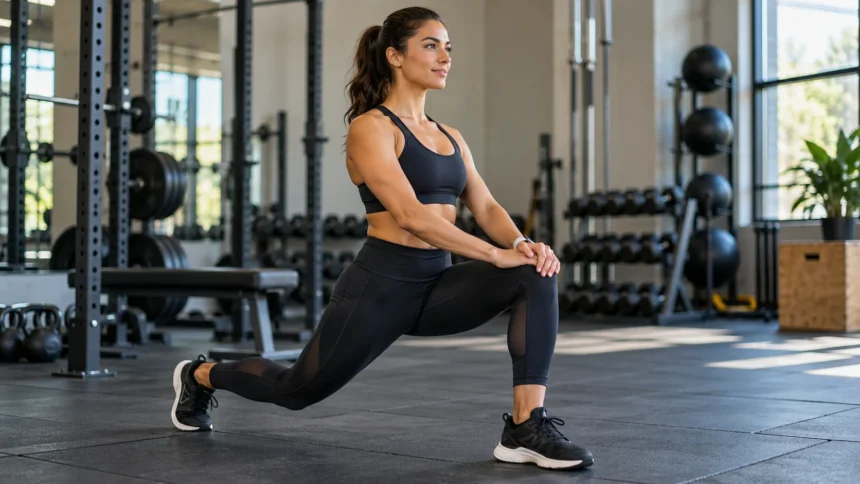
Stretching before a workout can help prepare your body for movement, improve mobility, and make exercise feel more comfortable. The key is choosing the right type of stretching and performing it in a way that supports your workout rather than leaving your muscles feeling tired. A proper pre-workout routine should gradually increase movement, raise body temperature, and prepare the joints and muscles you are about to use.
Many people make the mistake of holding deep stretches for too long before exercise. While static stretching has its place, dynamic stretches are generally more suitable before most workouts because they involve controlled movement through a comfortable range of motion. This approach helps your body transition from rest into activity while also improving coordination and muscle readiness.
This guide explains how to stretch before workouts step by step, which stretches to include, how long your warm-up should last, and what mistakes to avoid. You will also learn practical tips for tailoring your stretching routine to strength training, cardio, running, and other common forms of exercise.
Why Stretching Before Workouts Matters
Stretching before exercise can help prepare your muscles and joints for the movements you are about to perform. A good warm-up encourages blood flow and gradually increases your body temperature, which may make movement feel smoother. It also gives you a chance to notice any stiffness or tightness before starting more demanding exercises.
Pre-workout stretching can also improve your active range of motion. This means your body may move more comfortably through exercises such as squats, lunges, presses, and running strides. Better mobility can support cleaner technique, especially when your workout includes movements that require coordinated motion through the hips, shoulders, knees, or ankles.
Another benefit is mental preparation. Taking a few minutes to stretch and warm up helps shift your focus toward the workout ahead. Instead of moving directly from sitting or resting into intense activity, you create a gradual transition that can improve concentration and help your body feel more prepared for effort.
Dynamic Stretching vs Static Stretching Before Exercise
Dynamic stretching involves controlled movement through a comfortable range of motion. Examples include leg swings, arm circles, walking lunges, and hip rotations. These movements are commonly used before workouts because they prepare the muscles while keeping the body active rather than holding one position for an extended period.
Static stretching involves holding a position for a set amount of time, often between 15 and 60 seconds. It can be useful for flexibility work, cooldowns, or areas that feel especially tight. However, long static holds immediately before explosive or heavy exercise may temporarily make some people feel less powerful or less prepared for fast movement.
For most pre-workout routines, dynamic mobility work should make up the majority of your stretching. Short static stretches can still be included when needed, but they should usually be gentle and followed by active movement. The goal before exercise is to feel mobile, warm, and ready rather than overly relaxed or fatigued.
Step 1: Start With Light General Movement
Begin your warm-up with three to five minutes of easy movement. Walking, slow cycling, marching in place, or using an elliptical can help increase circulation without placing too much demand on your muscles. This first step prepares your body for stretching by gradually raising your heart rate and body temperature.
Keep the intensity low enough that you can breathe comfortably. You should feel warmer after a few minutes, but you should not feel tired before your workout has even started. Light movement is particularly useful if you have been sitting for a long time or are training early in the morning.
You can gradually increase the pace as your body begins to loosen up. For example, a brisk walk can slowly become a faster walk before you begin dynamic stretches. This transition helps your muscles move more freely and makes the next stages of your warm-up feel more natural.
Step 2: Mobilize the Major Joints
After your body is warm, begin moving the major joints you plan to use during your workout. Gentle ankle circles, hip rotations, shoulder rolls, and wrist movements can help prepare these areas for larger ranges of motion. Keep each movement smooth and controlled rather than forcing the joint to move as far as possible.
Joint mobility is especially useful when your workout includes compound exercises. Squats depend on coordinated movement through the hips, knees, and ankles, while pressing exercises involve the shoulders, elbows, and wrists. Preparing these joints beforehand can make the first working sets feel more comfortable and coordinated.
Spend more time on areas that typically feel stiff, but avoid turning the warm-up into a long mobility session. A few controlled repetitions in each direction are often enough. Your goal is to prepare your joints for the exercise ahead, not to dramatically change your flexibility in a single session.
Step 3: Perform Dynamic Leg Swings
Leg swings are a simple way to warm up the hips, hamstrings, quadriceps, and surrounding muscles. Stand beside a wall or stable support, then gently swing one leg forward and backward. Keep your torso upright and let the movement gradually increase as your hips begin to loosen.
Perform approximately 8–12 swings on each leg before switching sides. Start with a small range of motion rather than trying to kick your leg as high as possible. The movement should feel smooth and rhythmic, not aggressive or uncomfortable through the hip or lower back.
You can also perform side-to-side leg swings to prepare the inner and outer hip muscles. Face a support, keep one foot planted, and swing the opposite leg across your body and outward. This variation can be particularly helpful before squats, lunges, running, or lower-body strength workouts.
Step 4: Add Walking Lunges With a Controlled Reach
Walking lunges combine lower-body mobility with light muscle activation. Step forward into a comfortable lunge, bend both knees, and lower your body while keeping your front foot firmly planted. Push through the front foot to step into the next repetition while maintaining an upright posture.
Adding a gentle overhead reach can increase movement through the hips and upper body. As you step into the lunge, raise your arms overhead without excessively arching your lower back. Keep the movement controlled and avoid dropping quickly into a deep position before your muscles feel ready.
Perform about 6–10 lunges per side depending on your workout and available space. Shorter steps may be more comfortable when you are still warming up. As mobility improves, you can gradually lengthen your stride while maintaining good balance and alignment through your knees and hips.
Step 5: Warm Up the Upper Body
If your workout includes pressing, pulling, lifting, or upper-body training, prepare your shoulders and upper back with dynamic movement. Arm circles are a simple option that gradually moves the shoulder joint through different angles. Start with small circles and slowly increase their size without forcing the motion.
Band pull-aparts, wall slides, and controlled arm swings can also help activate muscles around the shoulders and upper back. These movements are especially useful before exercises such as bench presses, overhead presses, rows, or pull-ups. Focus on steady movement rather than using speed or momentum.
Keep the shoulders relaxed instead of shrugging them toward your ears. If a movement causes pinching or sharp discomfort, reduce the range or choose a gentler variation. A good upper-body warm-up should leave the shoulders feeling mobile and supported rather than tired before the main workout begins.
Step 6: Include Hip and Hamstring Mobility
The hips and hamstrings often feel tight after prolonged sitting, so they deserve attention before lower-body workouts. Controlled hip hinges are a useful way to prepare these areas. Stand with soft knees, push your hips backward, and keep your spine neutral as you hinge forward slightly.
You can also perform dynamic hamstring reaches by extending one foot forward with the heel lightly touching the ground. Hinge at the hips and reach gently toward the extended leg before returning upright. Alternate sides and keep the movement flowing rather than holding a deep stretch for a long period.
Hip mobility can also support comfortable walking and lower-body movement. If you are dealing with sciatic-type discomfort or want to understand how gentle movement may fit into your routine, this guide on walking for sciatica provides additional practical information. Always adjust exercises based on comfort and current symptoms.
Step 7: Prepare Your Core for Movement
Your core helps stabilize your trunk during many exercises, so activating it before training can improve body control. Simple standing marches, bird dogs, or slow dead-bug variations can help engage the abdominal muscles without creating excessive fatigue. Keep the movements controlled and focus on maintaining a stable spine.
Core preparation does not require a full abdominal workout. A few low-intensity repetitions are usually enough to remind your trunk muscles to stay active during movements such as squats, deadlifts, carries, and overhead presses. Avoid doing high-volume sit-ups or intense core circuits immediately before heavy lifting.
Breathing also plays an important role. Practice breathing normally while gently bracing your abdomen instead of holding your breath through every warm-up exercise. This can help you develop better control before progressing into movements that require stronger trunk stability.
Step 8: Use Workout-Specific Warm-Up Movements
The final stage of your stretching routine should resemble the exercises you are about to perform. If you plan to squat, perform a few bodyweight squats or light goblet squats. If you are preparing to run, add controlled high knees, heel kicks, or short easy strides.
For strength training, gradually increase the load rather than jumping directly into your working weight. A few lighter sets allow your muscles, joints, and nervous system to adjust to the movement pattern. These warm-up sets are often more useful than adding extra stretches once your body is already mobile.
Workout-specific preparation also helps reinforce technique. You can focus on foot position, breathing, bar path, or posture before the load becomes challenging. This gives you an opportunity to correct small movement issues before starting heavier or faster repetitions.
How Long Should You Stretch Before a Workout?
Most people can complete an effective pre-workout warm-up in approximately 8–15 minutes. The exact time depends on the type of exercise, your fitness level, your age, and how stiff you feel when you begin. More demanding workouts may require a longer and more specific preparation period.
A short cardio session may need only a few minutes of light movement followed by dynamic mobility. Heavy strength training may benefit from additional warm-up sets and joint-specific preparation. Longer sessions are not automatically better, especially if excessive stretching makes you tired before the main workout begins.
Pay attention to how your body feels rather than watching the clock too closely. Your warm-up is probably sufficient when you feel warmer, your movements feel smoother, and your joints move comfortably through the range required for your workout. You should feel prepared and energized, not exhausted.
Common Pre-Workout Stretching Mistakes
One of the most common mistakes is stretching cold muscles aggressively. Moving directly from sitting into a deep hamstring, hip, or shoulder stretch can feel uncomfortable and may not prepare you effectively for exercise. Start with light movement first, then gradually increase your range as your body warms up.
Another mistake is holding static stretches for too long immediately before intense activity. Long passive holds may leave your muscles feeling relaxed when you need them to produce force quickly. If you use static stretches before training, keep them gentle and follow them with dynamic or sport-specific movements.
Many people also rush through their warm-up without paying attention to form. Fast, uncontrolled stretches can turn useful mobility work into random movement. Slow down enough to control each repetition and focus on the joints and muscles you are preparing for the main workout.
How to Stretch Before Strength Training
Before strength training, prioritize mobility around the joints used in your planned exercises. Lower-body sessions may include hip rotations, leg swings, lunges, and ankle mobility, while upper-body workouts may involve arm circles and shoulder movements. Keep the routine specific rather than stretching every muscle in your body.
After dynamic stretching, perform lighter versions of your main exercises. Before heavy squats, for example, complete bodyweight squats and progressively loaded warm-up sets. Before bench pressing, start with light pressing movements and gradually increase the weight while focusing on shoulder position and control.
Avoid exhausting the muscles you need for your main lifts. Your warm-up should increase readiness without reducing strength. If you finish stretching feeling shaky or fatigued, shorten the routine and focus on fewer, more relevant movements before your next strength session.
How to Stretch Before Running or Cardio
Before running, begin with easy walking or jogging to raise your body temperature. Once you feel warmer, add dynamic leg swings, hip rotations, walking lunges, and ankle mobility. These movements can prepare the lower body for repeated steps without requiring long static holds.
You can gradually introduce running-specific drills such as controlled high knees or short accelerations. Keep these movements moderate and focus on smooth rhythm rather than maximum speed. A gradual increase in pace gives your body time to transition from warm-up activity into your normal training intensity.
The same approach applies to cycling, rowing, and other forms of cardio. Begin gently, use dynamic movements relevant to the activity, and increase intensity progressively. The goal is to make the first few minutes of your actual workout feel like a natural continuation of the warm-up.
Tips for Making Your Stretching Routine More Effective
Keep your stretching routine consistent and practical. You do not need a complicated sequence of 20 different exercises before every workout. A small group of movements that address your main joints and muscle groups can be easier to remember and more effective over time.
Choose stretches based on the workout you are actually doing. A runner may need more ankle, hip, and leg preparation, while someone performing an upper-body strength session may focus more on shoulders and upper-back mobility. Matching your warm-up to your activity helps keep it efficient.
Progress gradually rather than forcing flexibility. Your range of motion may naturally improve as you become warmer, but there is no need to chase an extreme stretch before exercising. Smooth movement, steady breathing, and good control are more important than how far you can reach.
Conclusion
Stretching before a workout works best when it prepares your body for movement rather than simply trying to make your muscles more flexible. Begin with a few minutes of light activity, then move into joint mobility, dynamic stretches, and workout-specific exercises. This creates a gradual transition from rest into more demanding physical activity.
Dynamic movements such as leg swings, walking lunges, arm circles, and controlled hip hinges can help improve mobility while keeping your muscles active. Follow these exercises with lighter versions of the movements you plan to perform. Keep the routine focused, controlled, and relevant to your workout.
Most importantly, avoid forcing painful stretches or trying to achieve maximum flexibility before exercise. A good pre-workout stretching routine should leave you feeling warmer, smoother, and more confident in your movement. Adjust the duration and exercises based on your body, training style, and comfort level.
FAQs
Should you stretch before every workout?
A brief warm-up with dynamic stretching can be useful before most workouts. The exact routine depends on the activity, but preparing the muscles and joints you plan to use is generally a practical approach.
How long should you stretch before exercising?
Most people can spend around 8–15 minutes warming up and stretching before exercise. Shorter workouts may require less preparation, while heavy lifting or intense training may benefit from a slightly longer routine.
Is static stretching bad before a workout?
Static stretching is not automatically bad, but long passive holds may not be ideal before explosive or heavy exercise. If used, keep them gentle and follow them with dynamic movements or warm-up sets.
What are the best stretches before a leg workout?
Useful options include leg swings, walking lunges, hip rotations, ankle mobility, and bodyweight squats. Choose movements that prepare your hips, knees, and ankles for the exercises you plan to perform.
Can stretching before workouts prevent injuries?
Stretching alone cannot guarantee injury prevention. However, a complete warm-up that includes light movement, dynamic mobility, and workout-specific preparation can help your body feel more prepared for the physical demands of exercise.