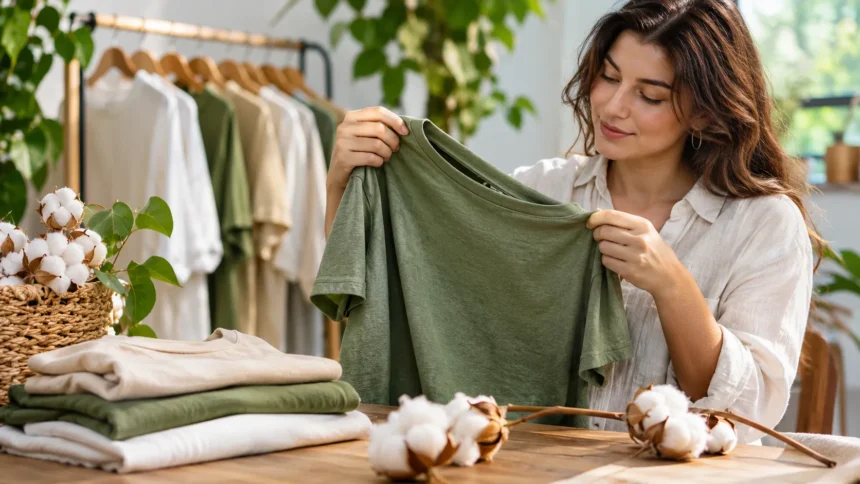
Organic cotton clothing has become a popular choice for people who want comfortable, practical, and more environmentally conscious wardrobes. From everyday T-shirts to breathable summer dresses, organic cotton appears in many clothing collections. However, understanding what makes this fabric different can help you decide whether it suits your personal style, budget, and everyday needs.
Before buying organic cotton clothing, it is important to understand its benefits, limitations, quality, and care requirements. Not every product labeled organic offers the same level of quality or environmental responsibility. This guide explains how organic cotton is made, how it compares with conventional cotton, and what you should consider before making your first purchase.
What Is Organic Cotton Clothing?
Organic cotton clothing is made from cotton grown according to organic farming standards. These standards generally prohibit genetically modified seeds and synthetic fertilizers while restricting the pesticides farmers can use. The resulting cotton fibers are processed into yarn and fabric for clothing. Organic cotton can be used to produce shirts, dresses, trousers, underwear, sleepwear, and many other everyday garments.
The main difference between organic and conventional cotton begins with the farming process. Organic cotton growers follow approved agricultural practices designed to support soil health and reduce reliance on certain synthetic chemicals. However, organic cotton is not completely free from agricultural inputs. Farmers may use permitted pest control methods and other substances allowed under their organic certification standards.
Organic cotton garments can look and feel similar to regular cotton clothing because both contain natural cotton fibers. Their softness, thickness, breathability, and appearance depend largely on fabric construction and manufacturing quality. An organic label alone does not guarantee better comfort or durability. Understanding these differences helps shoppers make informed decisions instead of relying entirely on marketing claims.
How Is Organic Cotton Grown and Made?
Organic cotton production begins with farming methods that follow recognized organic agricultural requirements. Farmers may use crop rotation, compost, and other soil management practices to support healthy growing conditions. Pest management often includes biological and preventive approaches rather than routine reliance on prohibited synthetic pesticides. These techniques aim to maintain productive farmland while meeting organic certification requirements.
After harvesting, cotton fibers are separated from seeds through a process called ginning. Manufacturers then clean, spin, and prepare the fibers for weaving or knitting into fabric. Depending on the garment, the material may undergo bleaching, dyeing, printing, or finishing. These manufacturing stages can influence the finished product’s environmental impact, appearance, texture, and overall performance.
Not every factory processing organic cotton follows the same environmental or labor standards. Some manufacturers use independently verified textile production systems, while others only verify the agricultural origin of their cotton. This distinction matters when evaluating sustainability claims. Buyers should look beyond the words organic cotton and investigate how the fabric was processed, dyed, and assembled into clothing.
Is Organic Cotton Clothing Better for the Environment?
Organic cotton farming can support environmental goals by limiting certain synthetic agricultural chemicals and encouraging soil management practices. These approaches may reduce particular environmental pressures associated with conventional farming. However, environmental outcomes depend on location, farming methods, productivity, and local ecosystems. Organic certification provides useful information about production standards but does not measure every environmental impact.
Water consumption is one area where shoppers should avoid overly simple comparisons between organic and conventional cotton. Cotton water requirements vary according to rainfall, irrigation systems, climate, and crop yields. Some organic farms may use water efficiently, but the label does not guarantee lower water consumption. Reliable comparisons require information about the actual farming conditions and the amount of cotton produced.
The environmental impact of clothing also extends beyond agricultural production. Dyeing, finishing, transportation, packaging, washing, and disposal all contribute to a garment’s overall footprint. Choosing durable clothing and wearing it regularly can reduce the need for frequent replacements. Therefore, buying fewer useful pieces and maintaining them properly can complement the environmental goals associated with organic cotton.
Benefits of Wearing Organic Cotton Clothing
One appealing feature of organic cotton clothing is its natural fiber composition. Cotton fabrics can provide comfortable airflow and absorb moisture during everyday activities. This makes many cotton garments suitable for casual wear, warm weather, and relaxed indoor environments. However, fabric thickness, fit, and construction often influence comfort more than the farming method used to grow the cotton.
Organic cotton also offers versatility across different clothing styles and seasons. Lightweight woven fabrics can work well for summer shirts, while thicker cotton knits may suit sweatshirts and casual trousers. Manufacturers can create different textures, finishes, and fabric weights using organic cotton fibers. As a result, shoppers can find options for everyday wardrobes without following a particular fashion trend.
Some people prefer certified organic cotton because its agricultural production follows restrictions on certain synthetic pesticides. However, this does not mean every finished garment is chemical-free or automatically suitable for sensitive skin. Dyes, finishes, detergents, and fabric construction can still affect comfort. Anyone with skin sensitivities should consider the entire finished product rather than assuming organic fibers alone prevent irritation.
Organic Cotton vs. Regular Cotton Clothing
The main distinction between organic cotton and regular cotton clothing concerns how the cotton is cultivated. Both materials come from cotton plants and contain similar natural fibers. Conventional cotton farming may use agricultural methods and inputs that organic standards restrict. These differences can influence environmental management, but they do not automatically make one finished garment softer or stronger.
When comparing fabric quality, consider factors such as fiber length, yarn construction, weave, and finishing techniques. A well-made conventional cotton shirt may last longer than a poorly constructed organic cotton alternative. Similarly, premium organic cotton can produce excellent fabric when manufacturers use appropriate materials and processes. Quality should always be evaluated at the garment level rather than through labels alone.
Price is another difference shoppers frequently notice when comparing these materials. Certified organic cotton products may cost more because of farming requirements, certification, production practices, or brand positioning. However, retail prices also reflect design, marketing, manufacturing locations, and profit margins. A higher price does not guarantee superior craftsmanship, so inspect the garment carefully before purchasing.
Understanding Organic Cotton Certifications and Labels
Certifications can help shoppers distinguish verified organic textiles from products making broad marketing claims. One widely recognized standard is the Global Organic Textile Standard, commonly called GOTS. It covers organic fiber requirements alongside specified environmental and social criteria for textile processing. Certified products must meet the applicable standard requirements, making verification an important part of responsible purchasing.
Another certification is the Organic Content Standard, often shortened to OCS. This system tracks and verifies organically grown material through the supply chain. However, OCS primarily addresses organic content and traceability rather than setting comprehensive chemical processing or working condition requirements. Understanding the distinction helps shoppers interpret what different certification labels actually confirm.
When reviewing a product, look for the specific certification name and supporting information from the manufacturer. A statement such as made with organic cotton may describe fiber content without verifying every production stage. Certification claims should be clear and appropriate to the finished product. Transparent descriptions provide stronger purchasing information than vague phrases such as completely green or environmentally perfect.
How to Choose High-Quality Organic Cotton Clothing
Start by examining the fabric rather than relying entirely on the organic label. Feel the material for comfort and check whether its thickness suits the intended purpose. Lightweight cotton may work for summer clothing, while denser fabrics can offer a more substantial feel. Fabric weight, construction, and finishing quality all contribute to how the garment performs during regular use.
Next, inspect the stitching, seams, buttons, and other construction details. Even seams and secure stitching can indicate careful manufacturing, although appearance alone cannot guarantee long-term durability. Check whether the garment maintains its shape when handled gently. Reading product descriptions and customer reviews may also reveal useful information about sizing, washing performance, and everyday wear.
Choose clothing based on your actual wardrobe needs rather than buying something simply because it carries a sustainable label. A comfortable organic cotton T-shirt that matches several outfits may be more useful than an expensive statement piece. Consider fit, color, versatility, and cleaning requirements before purchasing. These practical decisions help ensure your clothing receives regular use instead of remaining unworn.
Is Organic Cotton Clothing Good for Sensitive Skin?
Cotton is often chosen for clothing because many people find its soft texture and breathable construction comfortable. Organic cotton garments can provide these familiar qualities while meeting specific agricultural production standards. However, individuals react differently to textiles and fabric treatments. Comfort depends on more than whether the cotton was grown using organic farming practices.
Fabric dyes, finishing chemicals, stitching, and laundry products can contribute to skin irritation in sensitive individuals. An organic fiber label does not necessarily confirm that the finished garment is free from potentially irritating substances. People concerned about textile sensitivities may benefit from checking processing certifications and product descriptions. Simple designs without rough seams may also improve everyday comfort.
Washing new clothing according to the care label before wearing it can help remove some manufacturing residues. Using a mild, fragrance-free detergent may also be helpful for people who react to strongly scented laundry products. If irritation continues, consider discussing the problem with a healthcare professional. Choosing suitable clothing should involve personal comfort and known sensitivities rather than unsupported health claims.
How to Style Organic Cotton Clothing for Everyday Wear
Organic cotton clothing fits naturally into casual and practical everyday wardrobes. A plain organic cotton T-shirt can be paired with denim, relaxed trousers, or comfortable shorts. Neutral colors such as white, beige, navy, and gray offer versatile styling possibilities. These simple combinations make it easier to create different outfits without buying large amounts of clothing.
For work or slightly formal occasions, consider organic cotton button-down shirts, structured trousers, or simple dresses. The fabric can look polished when the garment has a suitable cut and clean finish. Layering with jackets or cardigans also allows cotton pieces to work across changing temperatures. Choosing classic designs can make outfits easier to repeat and adapt.
Organic cotton is also available in loungewear, sleepwear, and seasonal clothing collections. Soft knit garments can be comfortable for relaxing at home, while lightweight woven pieces are useful during warmer months. When building a wardrobe, prioritize clothing that matches your activities and personal preferences. Practical styling encourages repeated wear and helps you get more value from each garment.
How to Wash and Care for Organic Cotton Clothing
Proper washing helps maintain the appearance and comfort of organic cotton garments. Always check the care label because different fabrics, dyes, and garment constructions may require different treatments. Many cotton items can be washed in cool or warm water using a suitable detergent. Gentle washing can help reduce unnecessary wear during regular cleaning.
Avoid using excessive detergent or harsh cleaning products when they are not needed. Separating dark and light garments can help reduce unwanted color transfer during washing. Turn printed or decorated clothing inside out when recommended by its care instructions. These simple habits can protect the fabric’s appearance and keep everyday clothing looking presentable for longer.
Drying methods also influence the condition of organic cotton clothing. High heat may cause shrinkage or affect certain finishes, especially when garments have not been prepared for repeated hot drying. Air drying can be a practical option when suitable for the item and weather conditions. Follow the manufacturer’s instructions to protect garment shape, maintain comfort, and extend usable life.
Does Organic Cotton Clothing Shrink or Wear Out?
Organic cotton can shrink because it is made from natural cotton fibers. Shrinkage depends on fabric construction, manufacturing treatment, washing temperature, and drying conditions. Some garments are pre-shrunk during production, while others may change size after their first wash. Checking the care instructions and product details can help you understand what to expect.
Durability also depends on how the fabric was manufactured and how frequently the garment is worn. Strong seams, appropriate fabric weight, and careful cleaning can contribute to longer-lasting clothing. Organic farming certification does not guarantee that a garment will resist stretching, fading, or damage. Well-made organic cotton should be evaluated using the same quality standards as other clothing.
When buying online, review sizing charts and customer feedback about fit after washing. Avoid automatically choosing a larger size unless the manufacturer recommends allowing for shrinkage. If a garment changes shape significantly despite following its care instructions, contact the retailer about its return or quality policy. Thoughtful purchasing and proper care can prevent unnecessary replacements.
Is Organic Cotton Clothing Worth the Higher Price?
Organic cotton clothing can be worth considering when it meets your comfort, quality, and purchasing priorities. Certified production may appeal to people who value specific agricultural or textile processing standards. However, the most expensive product is not necessarily the most responsible or durable choice. Evaluate the entire garment before deciding whether its price represents good value.
One useful approach is to consider how frequently you expect to wear a particular item. A well-fitting shirt used regularly may provide better long-term value than a cheaper garment that rarely leaves your wardrobe. Quality, repairability, and compatibility with existing clothing all influence practical value. This perspective helps shoppers focus on usefulness instead of purchasing based solely on marketing messages.
You do not need to replace your entire wardrobe to try organic cotton clothing. Start with one useful item, such as a T-shirt, everyday shirt, or comfortable pair of trousers. Wear and wash it several times before deciding whether to purchase more. Gradual changes allow you to evaluate comfort, durability, and cost without creating unnecessary clothing waste.
Conclusion
Organic cotton clothing offers an alternative for shoppers interested in natural fibers and certified agricultural production practices. It can provide the familiar comfort, breathability, and versatility associated with cotton fabrics. However, organic certification alone does not guarantee superior softness, durability, or environmental performance. Understanding how garments are made helps you evaluate their actual benefits.
Before purchasing, examine fabric quality, construction, certifications, pricing, and care instructions. Choose clothing that fits your lifestyle, feels comfortable, and works with items you already own. Avoid assuming that every product marketed as sustainable meets the same production standards. Clear information and practical comparisons can support more confident purchasing decisions.
Ultimately, trying organic cotton clothing does not require a complete wardrobe transformation. Begin with a useful garment and assess how well it performs through regular wear and washing. Prioritize lasting quality, responsible purchasing, and proper garment care. These habits can help you build a practical wardrobe while making more thoughtful choices about the clothing you buy.
Frequently Asked Questions
Is organic cotton clothing better than regular cotton?
Organic cotton follows specific agricultural production standards, while conventional cotton uses different permitted farming methods. Both can produce comfortable clothing, and finished garment quality depends on fabric construction, processing, and manufacturing.
Is organic cotton clothing good for summer?
Yes, lightweight organic cotton fabrics can feel comfortable during warm weather because cotton absorbs moisture and allows airflow. Breathability depends on fabric thickness, weave, fit, and overall garment construction.
Does organic cotton clothing last longer?
Organic cotton is not automatically more durable than conventional cotton. Garment longevity depends on fiber quality, fabric construction, stitching, washing habits, and frequency of use. Good manufacturing and proper care matter most.
Why is organic cotton clothing more expensive?
Organic cotton garments may cost more because of farming requirements, certification expenses, production methods, and brand pricing decisions. However, higher prices do not necessarily indicate better quality or stronger environmental performance.
Is organic cotton clothing completely chemical-free?
No, organic cotton clothing is not necessarily chemical-free. Organic farming restricts certain agricultural substances, but textile processing may involve dyes and other chemicals. Relevant certifications can help verify specific manufacturing requirements.