Pyrithione Zinc: Benefits, Uses, Safety and Results
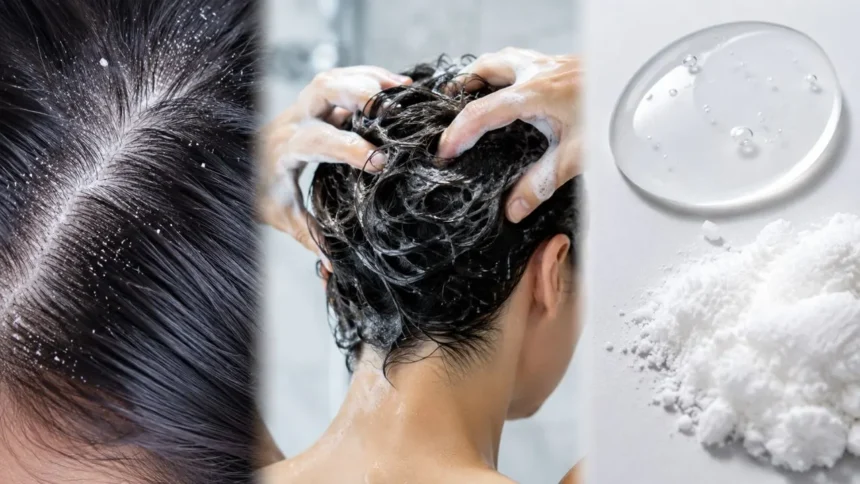
Pyrithione zinc is an active ingredient commonly associated with medicated dandruff shampoos and scalp-care products. It is designed to reduce the microorganisms and excessive skin shedding that contribute to flakes, itching, redness, and the greasy scaling seen with dandruff or seborrheic dermatitis.
You may also see the ingredient written as zinc pyrithione, ZPT, zinc omadine, or pyrithione zinc on a product label. Although these names are often used interchangeably, pyrithione zinc is not the same as the nutritional zinc found in food or dietary supplements.
Products containing this ingredient have been used for decades, but availability now differs between countries. Some regions continue to allow pyrithione zinc in regulated medicated products, while others have restricted or prohibited its use in cosmetics because of updated safety classifications.
This guide explains how pyrithione zinc works, what conditions it may help manage, how to use it correctly, and what side effects to watch for. It also covers hair-loss claims, facial use, regional regulations, and alternative anti-dandruff ingredients.
What Is Pyrithione Zinc?
Pyrithione zinc is a synthetic coordination compound made from zinc and pyrithione. Manufacturers add it to certain shampoos, cleansers, creams, and scalp products because it has antifungal and antibacterial properties that can help control microorganisms living on the skin.
Its best-known use is in dandruff shampoo. Dandruff is linked to several factors, including oil production, individual skin sensitivity, scalp-barrier changes, and an interaction with yeasts from the Malassezia group that naturally live on human skin.
Pyrithione zinc helps reduce the activity and growth of these microorganisms. By controlling one important trigger, it may decrease scalp irritation, slow excessive flaking, and improve the visible white or yellow scales associated with dandruff.
The ingredient is intended for external use rather than as a nutritional supplement. Swallowing zinc tablets will not create the same scalp effect, and a pyrithione zinc shampoo should never be eaten, taken internally, or used in a way not permitted by its label.
How Does Pyrithione Zinc Work?
Pyrithione zinc interferes with important processes inside susceptible fungal and bacterial cells. This antimicrobial action helps limit the overgrowth of organisms that may contribute to irritation and excessive skin-cell shedding on the scalp.
The ingredient is particularly useful against Malassezia yeast. This yeast normally lives on oily areas of the skin, but some people develop inflammation and accelerated flaking in response to its activity or the substances it produces.
Reducing yeast activity can give the scalp barrier an opportunity to recover. As inflammation and cell turnover become better controlled, users may notice fewer flakes, less itching, and a reduction in greasy or irritated patches.
The treatment does not permanently eliminate every microorganism from the scalp, nor should it. Dandruff and seborrheic dermatitis commonly return, so many people need occasional maintenance use after their initial symptoms have improved.
What Is Pyrithione Zinc Used For?
The primary use of pyrithione zinc is controlling dandruff. It may help people experiencing visible flakes, mild scalp itching, oiliness, and recurring scaling that does not improve sufficiently with an ordinary cosmetic shampoo.
It is also used for seborrheic dermatitis, a more inflammatory condition that may cause greasy scales, redness, itching, and irritated patches. Seborrheic dermatitis can affect the scalp, eyebrows, beard area, sides of the nose, ears, chest, and other oil-rich locations.
Some cleansers containing pyrithione zinc have been used on facial or body areas affected by seborrheic dermatitis. However, not every shampoo is formulated for facial use, so users should follow the product label and avoid experimenting around the eyes.
Pyrithione zinc is sometimes discussed for other yeast-related skin problems, but a person should not use it to self-diagnose an unexplained rash. Ringworm, psoriasis, eczema, allergic reactions, and bacterial infections may require completely different treatment.
Pyrithione Zinc Benefits for Dandruff
The most noticeable benefit is a reduction in scalp flakes. Regular use may slow the excessive shedding of skin cells that creates visible white flakes on the hair, shoulders, clothing, pillows, or combs.
It may also reduce itching associated with dandruff. Less scratching can protect the scalp from abrasions, bleeding, scabs, and secondary irritation that develop when fingernails repeatedly damage already-sensitive skin.
Another benefit is convenience. Pyrithione zinc is often included in a shampoo, allowing users to cleanse the hair and apply an active dandruff ingredient during the same part of their routine.
Results depend on consistent and correct use. Applying the product once during a severe flare and immediately switching back to an ordinary shampoo may not provide enough exposure to bring persistent dandruff under control.
Pyrithione Zinc for Seborrheic Dermatitis
Seborrheic dermatitis is closely related to dandruff but usually involves more visible inflammation. Affected areas may become red or discolored, itchy, sensitive, and covered with oily or powdery scales.
Pyrithione zinc can help by reducing yeast activity and supporting better control of scaling. It may be used alone for mild symptoms or as part of a plan involving other antifungal, anti-inflammatory, or scale-removing products.
Seborrheic dermatitis is usually a recurring condition rather than an infection that disappears forever after one course of shampoo. Stress, cold weather, illness, hormonal factors, and changes in skin oil may contribute to future flares.
Severe inflammation may require a dermatologist’s guidance. A clinician may recommend another antifungal, a short course of an anti-inflammatory medicine, or a combination treatment when shampoo alone does not adequately control redness and discomfort.
Can Pyrithione Zinc Help an Itchy Scalp?
Pyrithione zinc may reduce itching when the itch is caused by dandruff or seborrheic dermatitis. Treating yeast activity, inflammation, and excessive flaking can gradually make the scalp feel calmer and less uncomfortable.
However, an itchy scalp has many possible causes. Hair dye reactions, eczema, psoriasis, head lice, product buildup, dry skin, fungal infection, tight hairstyles, and fragrance sensitivity can all produce similar symptoms.
Using more anti-dandruff shampoo is unlikely to help when the underlying problem is an allergy or another scalp disorder. In fact, repeated washing with a medicated product may increase dryness or irritation in some people.
Seek an evaluation when itching is severe, begins suddenly, causes broken skin, or comes with hair loss, pus, pain, swelling, or a spreading rash. Identifying the real cause is more useful than repeatedly changing shampoos.
Does Pyrithione Zinc Help Hair Growth?
Pyrithione zinc is not a hair-growth medicine. It does not have the same approved purpose as treatments designed to stimulate follicles or slow pattern hair loss, and it should not be marketed as a direct cure for thinning hair.
It may indirectly support a healthier scalp by controlling severe flaking, oiliness, and inflammation. When scalp irritation decreases, there may be less scratching and breakage, making the hair and scalp look healthier.
Seborrheic dermatitis can sometimes be associated with temporary shedding or increased hair breakage. Treating the inflammation may allow normal growth to become more noticeable, but it will not reverse genetic hair loss or permanently damaged follicles.
Anyone experiencing widening parts, bald patches, a receding hairline, scalp scarring, or sudden heavy shedding should see a healthcare professional. Early assessment is particularly important because some forms of hair loss respond better when treatment begins promptly.
How to Use Pyrithione Zinc Shampoo
Begin by reading the complete product label because strength, formulation, and instructions can vary. Some products are intended for routine dandruff control, while others have directions specific to seborrheic dermatitis or particular age groups.
Wet the hair and scalp thoroughly before applying the shampoo. Massage it mainly into the scalp rather than concentrating only on the hair lengths, because the active ingredient needs contact with the affected skin.
Leave the lather in place for the amount of time stated on the label. Rinsing immediately may reduce effectiveness, while leaving it on much longer than instructed may increase the risk of dryness or irritation.
Rinse carefully and keep the product away from the eyes, mouth, and other sensitive areas. Wash your hands afterward when directed, and do not apply the product to open wounds unless the label or a clinician specifically allows it.
How Often Should You Use It?
The correct frequency depends on the product, active-ingredient concentration, symptom severity, hair type, and healthcare advice. Many medicated shampoos are used several times a week during an active dandruff flare.
Once the condition improves, some people reduce use and continue with a maintenance schedule. Stopping completely may allow symptoms to return, particularly when the person has recurring seborrheic dermatitis.
Using the shampoo more frequently than directed will not necessarily create faster results. Excessive washing can leave the scalp dry, tight, or irritated and may make textured, curly, chemically treated, or fragile hair more difficult to manage.
Follow the package instructions rather than copying another person’s routine. A dermatologist can help create a schedule when symptoms are severe, the scalp is sensitive, or frequent shampooing conflicts with the needs of your hair.
How Long Does Pyrithione Zinc Take to Work?
Some users may notice less itching or fewer loose flakes after the first few washes. More visible improvement often requires consistent use over several applications because existing scale and inflammation do not disappear instantly.
The response depends on the condition being treated. Mild dandruff may improve relatively quickly, while inflamed seborrheic dermatitis may need a longer routine or treatment with more than one type of medication.
Poor results can happen when the shampoo is rinsed off too soon, applied mainly to the hair instead of the scalp, or used inconsistently. The symptoms may also come from psoriasis, contact dermatitis, or another condition rather than dandruff.
Consult a healthcare professional when there is no meaningful improvement after following the label for the recommended period. Continuing an ineffective treatment for months may delay a more accurate diagnosis and appropriate care.
Can You Use Pyrithione Zinc on the Face?
Seborrheic dermatitis frequently affects facial areas such as the eyebrows, hairline, beard, ears, and sides of the nose. Some products containing pyrithione zinc are specifically designed as facial or body cleansers for these locations.
A scalp shampoo should not automatically be treated as a face wash. Shampoo formulas may contain fragrances, detergents, or other ingredients that sting the eyes and irritate facial skin, particularly when the skin barrier is already inflamed.
Use only a product whose label permits application to the affected area. Apply it gently, avoid scrubbing, rinse completely, and follow with a fragrance-free moisturizer when appropriate.
Stop using the product if the skin becomes increasingly red, swollen, painful, or intensely itchy. A facial rash may be rosacea, eczema, allergic contact dermatitis, psoriasis, ringworm, or another condition that requires different treatment.
Pyrithione Zinc for Beard Dandruff
Flakes beneath facial hair may be caused by seborrheic dermatitis, dry skin, irritation, or product buildup. Pyrithione zinc may help when yeast-related seborrheic dermatitis is responsible for the scaling.
Work an appropriate cleanser through the beard so that it reaches the skin underneath. Treating only the surface of the hair will not provide enough contact with the irritated skin where flakes are forming.
Rinse the beard thoroughly because product residue may increase itching. A lightweight, fragrance-free moisturizer can be applied to the underlying skin after washing when dryness is also present.
See a dermatologist if beard scaling comes with painful bumps, pus, broken skin, patchy hair loss, or a circular spreading rash. These signs can indicate folliculitis, fungal infection, or another condition rather than simple dandruff.
Pyrithione Zinc Side Effects
The most common side effects are usually local and temporary. They may include dryness, mild burning, stinging, redness, itching, or a feeling of tightness after the product is rinsed away.
Hair texture may feel drier after using some medicated shampoos, especially when the formula contains strong cleansing agents. Applying conditioner to the hair lengths can help, but avoid coating the scalp if heavy products worsen oiliness or buildup.
Allergic contact dermatitis is less common but possible. Stop using the product if a rash becomes worse, spreads beyond the application area, develops blisters, or produces persistent swelling and severe itching.
Difficulty breathing, facial swelling, faintness, or widespread hives may indicate a serious allergic reaction. Seek urgent medical help rather than waiting to see whether the symptoms resolve on their own.
Who Should Use It Carefully?
People with highly sensitive skin, eczema, known cosmetic allergies, or an already-damaged scalp should introduce a new medicated product cautiously. Irritated skin may react more strongly to active ingredients, fragrances, or cleansing agents.
Anyone using prescription scalp medicines should ask whether the products can be combined. Applying several active treatments together may cause excessive dryness, burning, or inflammation even when each product is safe when used separately.
Parents should follow age restrictions on the label before using pyrithione zinc on a child. Cradle cap in an infant should not automatically be treated with an adult dandruff shampoo without professional guidance.
Pregnant or breastfeeding users can ask a doctor or pharmacist before starting a medicated product, particularly for frequent or widespread use. Do not apply it to the nipple or another area where an infant could swallow the residue.
Can Pyrithione Zinc Cause Hair Loss?
Hair loss is not the intended effect of pyrithione zinc shampoo. Most people use it to improve scalp conditions rather than because it damages healthy follicles.
Temporary shedding may be noticed during an active scalp flare, but the underlying inflammation, scratching, stress, or another medical issue may be responsible. Timing alone does not prove that the shampoo caused the loss.
A product can contribute to breakage if it leaves the hair extremely dry or tangled. Breakage produces shorter snapped hairs, whereas true shedding releases complete strands from the root and may show a small bulb at one end.
Stop the product and seek advice if hair loss begins suddenly after use, continues to worsen, or appears with scalp pain, sores, swelling, or bald patches. A dermatologist can distinguish breakage from follicle-related hair loss.
Pyrithione Zinc vs. Ketoconazole
Pyrithione zinc and ketoconazole are both used in anti-dandruff treatment, but they are different active ingredients. Ketoconazole is an azole antifungal that directly targets fungal growth and is available in shampoos or creams at different strengths.
Either ingredient may help seborrheic dermatitis, although an individual may respond better to one than the other. Severity, product concentration, local availability, tolerance, and previous results can all influence the choice.
Ketoconazole may be selected when symptoms remain persistent despite ordinary anti-dandruff shampoo. Some people alternate approved products with different active ingredients, but a dermatologist should guide complicated routines.
More powerful does not always mean more suitable. The best treatment is one that addresses the correct condition, can be used consistently, and controls symptoms without causing unacceptable irritation or hair dryness.
Pyrithione Zinc vs. Selenium Sulfide
Selenium sulfide is another antifungal anti-dandruff ingredient. It helps reduce Malassezia activity and may slow excessive shedding of surface skin cells, making it useful for stubborn flakes and seborrheic dermatitis.
Some selenium sulfide formulas can have a noticeable smell or may affect the appearance of chemically treated, light-colored, or damaged hair. Careful rinsing and strict adherence to the label are therefore important.
Pyrithione zinc may feel more suitable for routine use in markets where it is available, while selenium sulfide may be chosen for more persistent oiliness or scaling. Individual results vary considerably.
Do not apply both products together simply to increase strength. Alternating active ingredients may sometimes be recommended, but combining treatments without guidance can leave the scalp excessively dry or irritated.
Pyrithione Zinc vs. Salicylic Acid
Salicylic acid works mainly as a keratolytic ingredient, meaning it helps loosen and remove accumulated scale. It can make thick flakes easier to wash away but does not target yeast in the same way as pyrithione zinc.
It may be useful when scalp buildup is substantial or when scales are firmly attached. However, removing scale without controlling the underlying inflammation or yeast may provide only temporary improvement.
Salicylic acid can cause dryness, especially when applied too frequently or combined with other strong products. Conditioner may help protect the hair lengths, while the scalp treatment should still be used according to its instructions.
A clinician may suggest a scale-removing treatment alongside an antifungal for difficult seborrheic dermatitis. This approach should be tailored to the person rather than assembled from several medicated products at random.
Is Pyrithione Zinc Safe?
Safety depends on the concentration, product type, application area, exposure pattern, and regulatory standards in the country where the product is sold. A properly labeled product should be used only for its intended purpose.
In the United States, pyrithione zinc remains permitted at specified concentrations in certain over-the-counter dandruff and seborrheic dermatitis drug products. Users should choose legitimate products and follow the Drug Facts instructions.
The European Union prohibits pyrithione zinc in cosmetic products following its classification under European chemical-safety rules. This explains why familiar shampoo formulas may differ between European and non-European markets.
A regional restriction does not mean that every past use caused harm, nor does availability elsewhere mean unlimited use is safe. Regulations consider hazard classification, exposure, product category, concentration, and available alternatives.
Why Was Pyrithione Zinc Restricted in Europe?
European regulators classified pyrithione zinc as a substance associated with reproductive toxicity concerns under their hazard-classification system. This classification triggered restrictions within the European cosmetic regulation.
The decision applied to cosmetics, including anti-dandruff cosmetic shampoos, from March 2022. Products sold in the European Union were therefore reformulated with other anti-dandruff ingredients.
Cosmetic and medicinal regulations are not always identical. A substance may be assessed differently depending on whether a product is a general cosmetic, an over-the-counter drug, or a prescribed medicine.
Consumers should check current local labels instead of assuming that a formula sold under the same brand name is identical worldwide. Ingredient lists can change over time and may differ between countries.
Pyrithione Zinc Alternatives
Ketoconazole is a widely used antifungal option for dandruff and seborrheic dermatitis. Depending on the country and strength, it may be sold over the counter or require a prescription.
Selenium sulfide is another established choice that targets yeast and excessive scalp shedding. It can be effective for oily, persistent scaling but needs careful application and thorough rinsing.
Salicylic acid helps remove thick scale, while coal tar may slow rapid skin-cell production in selected scalp conditions. Coal tar can have a strong odor and may increase sensitivity to sunlight or affect light-colored hair.
Piroctone olamine, climbazole, ciclopirox, sulfur, and other ingredients may be available depending on regional rules. Product selection should be based on the diagnosed condition rather than advertising claims alone.
Common Mistakes When Using Medicated Shampoo
A common mistake is washing only the hair. Dandruff develops on the scalp, so the active shampoo needs direct contact with the skin rather than being quickly spread across the hair and rinsed away.
Another mistake is ignoring the recommended contact time. The product may not work effectively when removed immediately, while keeping it on far longer than instructed can increase irritation.
Using several medicated shampoos during the same wash can also damage the scalp barrier. More active ingredients do not automatically create better results and may cause burning, dryness, and confusing reactions.
Finally, people often assume every flake is dandruff. Psoriasis, eczema, ringworm, allergic dermatitis, and product buildup can resemble dandruff, making professional assessment important when ordinary treatment repeatedly fails.
When Should You See a Dermatologist?
Arrange an appointment if appropriate dandruff shampoo does not improve symptoms after consistent use. Persistent scaling may require a different active ingredient, a prescription treatment, or a revised diagnosis.
Seek care sooner when the scalp becomes painful, swollen, wet, crusted, or covered in open sores. Pus, fever, tender lymph nodes, or rapidly spreading redness may indicate an infection.
Patchy hair loss, thick sharply defined plaques, broken hairs, or a ring-shaped rash also deserve evaluation. These symptoms can occur with psoriasis, fungal scalp infection, inflammatory hair loss, or other conditions.
A dermatologist can examine the scalp and recommend a targeted routine. Proper diagnosis prevents unnecessary product switching and may reduce the risk of scarring, infection, or prolonged discomfort.
Final Thoughts
Pyrithione zinc is an antifungal and antibacterial ingredient best known for helping control dandruff and seborrheic dermatitis. It can reduce flaking, itching, oiliness, and scalp irritation when the symptoms are related to yeast-associated inflammation.
Correct use matters. The shampoo should reach the scalp, remain in place for the labeled contact time, and be used at the recommended frequency rather than applied excessively.
Pyrithione zinc does not directly grow hair, cure every itchy scalp, or permanently eliminate seborrheic dermatitis. Results may require ongoing maintenance, and unexplained or severe symptoms need professional evaluation.
Availability and regulation differ by country. Read the current ingredient list and local product instructions, stop using the formula if significant irritation occurs, and choose alternatives with help from a pharmacist or dermatologist when necessary.
Frequently Asked Questions
What does pyrithione zinc do?
Pyrithione zinc reduces microorganisms associated with dandruff and seborrheic dermatitis. This can decrease scalp flakes, itching, oiliness, and irritation when used correctly.
Can I use pyrithione zinc shampoo every day?
Daily use may be allowed for some products, but others are intended for use only several times a week. Follow the label because excessive use can dry or irritate the scalp.
Does pyrithione zinc remove scalp fungus?
It helps control susceptible yeasts, including Malassezia, rather than sterilizing the scalp. It may not treat every fungal infection, so unexplained rashes need proper diagnosis.
Does pyrithione zinc help with hair loss?
It is not a direct hair-growth treatment. It may support scalp comfort when dandruff causes inflammation or scratching, but it will not reverse genetic or scarring hair loss.
Why is pyrithione zinc unavailable in some countries?
Regulations differ by region. It remains permitted in certain medicated products in the United States but is prohibited in cosmetic products within the European Union.