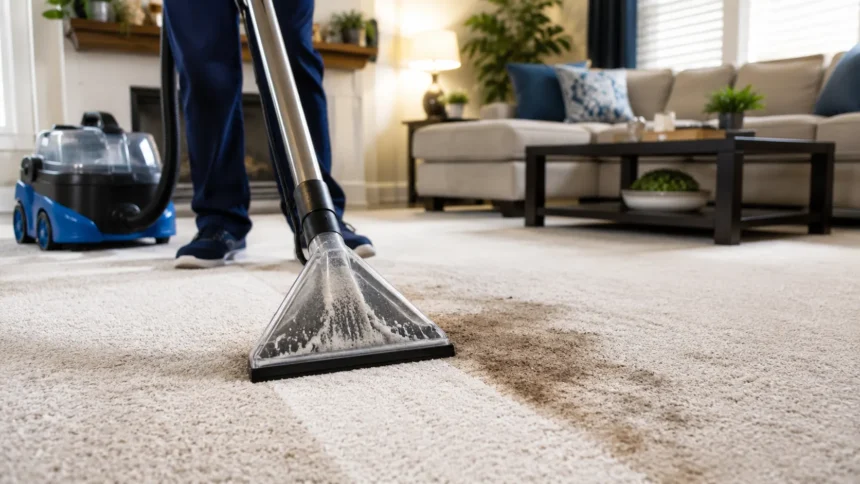
Best Carpet Cleaner for Deep Stains and Fresh Floors
A carpet can look reasonably clean on the surface while still holding dirt, spills, pet residue, food marks, and grime deep between its fibers. Regular vacuuming removes loose debris, but it cannot always reach the sticky or embedded material that leaves carpets looking dull. Choosing the best carpet cleaner can make a noticeable difference when your goal is to tackle stubborn stains and restore a fresher appearance.
Modern carpet cleaning machines are designed for much more than an occasional spilled drink. Depending on the model, they combine water, cleaning solution, rotating brushes, suction, and sometimes steam to loosen and extract contamination from carpet fibers. Recent independent testing continues to show meaningful differences between machines in stain removal, drying performance, maneuverability, and ease of maintenance.
The right choice depends heavily on your home. Someone dealing with pet accidents throughout several carpeted rooms needs a different machine from a person cleaning one sofa and a few small rugs. Tank capacity, weight, attachments, cleaning width, suction, brush design, storage space, and stain-cleaning performance can all matter more than flashy extras.
This guide explains what to look for in a carpet cleaner for deep stains, which types work best for different households, and how to use them effectively. Whether you are dealing with old stains, pet messes, muddy footprints, food spills, or simply tired-looking carpet, the goal is to help you choose a machine that cleans effectively without creating unnecessary work.
What Makes a Carpet Cleaner Good at Removing Deep Stains?
Deep stain removal starts with agitation. When dirt and residue become attached to carpet fibers, spraying water over the surface is rarely enough. A capable machine uses brushes or rollers to work cleaning solution through the pile, helping loosen material that vacuum suction alone cannot lift.
Extraction power matters just as much. After water and solution loosen the dirt, the machine needs enough suction to pull moisture and suspended soil back out of the carpet. Poor extraction can leave carpeting excessively wet, extending drying time and potentially allowing remaining residue to settle back into the fibers.
Cleaning solution delivery should also be consistent. Too little moisture may not loosen stubborn stains effectively, while excessive solution can oversaturate the carpet. Some modern upright cleaners automatically dispense solution as you move, helping simplify the process for users who do not want to manually control every cleaning pass.
A genuinely useful deep carpet cleaner balances all three functions—washing, agitation, and extraction. Extra features can improve convenience, but powerful cleaning fundamentals should come first. When comparing machines, pay attention to cleaning performance rather than assuming the model with the longest list of features will automatically produce better floors.
Best Overall Carpet Cleaner for Deep Cleaning
For serious whole-room cleaning, the BISSELL Big Green remains one of the strongest heavy-duty options. It uses multiple rows of DirtLifter brushes and a large-capacity design intended for substantial carpet-cleaning jobs rather than quick spot treatment. Independent testing has also rated Big Green particularly highly for deep carpet washing.
Its biggest advantage is the feeling that you are using a more substantial extraction machine rather than a lightweight household appliance. Large tanks reduce how frequently you need to stop during bigger rooms, while the strong brush-and-suction combination is well suited to carpets that have accumulated substantial embedded soil.
The tradeoff is size and weight. A heavy-duty machine is less enjoyable to carry upstairs, store in a small closet, or pull out for one tiny coffee spill. It makes much more sense for homeowners with significant carpeted areas, busy households, or flooring that benefits from periodic intensive cleaning.
If your priority is maximum portability, Big Green may be more machine than you need. But if your main question is which type of cleaner is best for deep carpet cleaning and heavily soiled floors, a commercial-style extractor remains a compelling choice because its design emphasizes cleaning capacity over compactness.
Best Carpet Cleaner for Tough Household Stains
The BISSELL Revolution HydroSteam is a strong option for homeowners who regularly battle difficult spots but still want a machine designed for ordinary household use. Recent cleaning-lab testing placed it among the strongest current full-size carpet cleaners, particularly noting its stain-cleaning and steam-assisted capabilities.
Steam-assisted pretreatment is particularly useful on stubborn residue because heat and moisture can help loosen material before the primary extraction passes begin. This does not mean steam magically removes every stain, but combining pretreatment, brush agitation, cleaning solution, and extraction gives the machine several ways to attack difficult areas.
Its household-friendly design also makes it more approachable than a commercial-style unit. You can use the upright machine for broader floor cleaning and rely on attachments or targeted modes when a particular area requires additional attention.
This type of cleaner works best for someone who wants strong stain-fighting performance without dedicating significant storage space to a very large machine. It is particularly appealing for busy homes where spills occur regularly enough to justify owning a capable upright cleaner rather than renting equipment whenever carpets need attention.
Best Easy-to-Use Carpet Cleaner
A carpet cleaner can produce impressive results but still become a poor purchase if using it feels like a chore. The Hoover SmartWash+ approaches this problem with an automatic system designed to simplify washing and drying movements. Hoover describes the machine as automatically cleaning as you push forward and extracting as you pull back.
That operation feels more familiar to people accustomed to upright vacuum cleaners. Instead of constantly thinking about when to squeeze a solution trigger, you can concentrate on making slow, controlled passes across the carpet. This can make whole-room cleaning less intimidating for first-time users.
The machine also uses brush rolls to agitate carpet fibers and lift deeper dirt. Its relatively manageable household design means it is easier to consider for routine cleaning than some heavier professional-style extractors, particularly when carrying and storage matter.
Automatic operation does not eliminate the need for good technique. You still need to vacuum first, treat particularly difficult stains, move slowly enough for the machine to work, and avoid oversaturating the carpet. What it does provide is a simpler cleaning rhythm, making it a good choice for convenience-focused households.
Best Portable Carpet Cleaner for Spot Stains
Not everyone needs to shampoo an entire room. If your main problems are coffee spills, food stains, pet accidents, car seats, stairs, and upholstered furniture, a portable spot cleaner can be more practical than a large upright machine.
The BISSELL Little Green Pro is a notable choice in this category. Recent performance testing from Vacuum Wars rated it strongly for stain reduction and highlighted its large tank and extended cord compared with many portable competitors.
Portable units let you place a cleaning tool directly over the affected area, scrub the fibers, and extract dirty water without wetting the entire floor. This targeted approach is especially convenient in homes that contain mostly hard flooring with only a few rugs or carpeted spaces.
The limitation is coverage. Cleaning an entire large living room with a handheld hose becomes slow and physically tiring. Choose a portable cleaner when spot cleaning carpet stains is your priority; choose an upright extractor when regularly cleaning full rooms is part of the plan.
Best Carpet Cleaner for Pet Stains
Pets create a combination of cleaning challenges that ordinary dirt does not always present. Mud, urine, vomit, food residue, oils from fur, and recurring odors can work deeper into carpet fibers, particularly when an accident is not discovered immediately.
A good pet carpet cleaner should combine strong extraction with practical attachments for targeted cleaning. Upright machines such as the BISSELL ProHeat 2X Revolution Pet series have remained popular choices in independent tests, while current comparison testing continues to recognize the line for homes dealing with pet-related messes.
Pet owners should pay particular attention to how easily brushes, tanks, nozzles, and hoses can be cleaned afterward. Hair mixed with wet carpet residue can collect around moving components, so accessible maintenance areas may be more valuable over time than an extra cleaning mode.
Odor treatment also requires more than covering smells with fragrance. Remove as much contaminated material as possible and use a cleaning product appropriate for the type of accident and carpet. When urine has reached the backing or padding beneath the surface, deeper remediation may sometimes be needed beyond ordinary machine cleaning.
Best Carpet Cleaner for Large Homes
Large carpeted homes require capacity. Constantly stopping to refill the clean-water tank and empty dirty water can turn a straightforward cleaning project into an exhausting one. This is where full-size machines with larger tanks become particularly valuable.
Heavy-duty models such as the BISSELL Big Green and Rug Doctor machines are built around this type of work. Rug Doctor’s Mighty Pro X3, for example, uses large separate tanks and a commercial-style suction system aimed at substantial cleaning sessions.
A wider cleaning path can also reduce the number of passes needed across large rooms. However, width alone should not determine your decision because a huge machine can become difficult around furniture, narrow hallways, stairs, and crowded bedrooms.
Think about the complete cleaning route through your home. If most carpeting is located on one level with wide open rooms, a heavier high-capacity cleaner may be ideal. If your home has several staircases and smaller carpeted spaces, a moderately sized upright with useful attachments could ultimately be easier to live with.
Best Carpet Cleaner for Apartments and Small Spaces
Apartment residents often face the opposite challenge. Storage space can matter as much as cleaning power, and carrying a bulky carpet extractor between rooms—or up several flights of stairs—can quickly become inconvenient.
A compact upright or portable spot cleaner is usually the better fit. Portable machines can sit on a shelf or inside a closet while still handling rugs, stains, upholstered furniture, stairs, and many of the messes encountered in smaller homes.
If your apartment contains wall-to-wall carpet, however, choosing only a small spot cleaner may become frustrating. A lightweight upright carpet washer can provide a better middle ground by offering enough coverage for full rooms while remaining easier to store than commercial-style equipment.
Renting can also make sense when you deep-clean only once or twice per year. Owning becomes more attractive when spills happen frequently, you have pets or children, or you prefer treating stains immediately rather than waiting until the next scheduled whole-home clean.
Carpet Cleaner vs. Spot Cleaner: Which Do You Need?
A full-size carpet cleaner is designed to wash broad areas efficiently. It resembles an upright vacuum and typically uses rotating brushes beneath the floor head while dispensing and recovering cleaning solution. This makes it suitable for bedrooms, living rooms, hallways, and other large carpeted areas.
A spot cleaner is a smaller machine with a hose and handheld cleaning attachment. Instead of moving the entire appliance repeatedly over the floor, you scrub individual areas using the tool. It is ideal for localized stains, stairs, furniture, car interiors, and small rugs.
For households with extensive carpeting, owning an upright cleaner and keeping a small portable machine for emergencies can be the most convenient combination. The upright handles scheduled deep cleaning while the portable cleaner tackles spills before they have time to become permanent stains.
If you can purchase only one, base the decision on where you spend most of your cleaning time. Frequent isolated accidents point toward a portable unit. Dull or heavily trafficked carpet across entire rooms points toward a full-size carpet cleaning machine.
Carpet Cleaner vs. Steam Cleaner
The terms carpet cleaner and steam cleaner are often used interchangeably, but they do not necessarily describe the same type of machine. Traditional carpet extractors generally use water mixed with cleaning solution, mechanical agitation, and vacuum suction to wash and recover dirt.
A true steam cleaner relies primarily on high-temperature steam. Many household steam cleaners are designed for sealed hard surfaces, grout, fixtures, and similar jobs rather than conventional wall-to-wall carpeting. Using the wrong equipment on carpet can produce poor results or even damage flooring.
Some newer carpet machines do incorporate steam as one stage of their cleaning process. In those designs, steam can help pretreat or loosen difficult residue while conventional carpet washing and extraction still perform much of the actual soil removal.
Always check whether a particular machine is approved for your flooring rather than assuming anything marketed around “steam” is appropriate. Carpet fibers, backing materials, adhesives, dyes, and warranties can differ, so following both machine and carpet-manufacturer guidance is important.
What Types of Carpet Stains Are Hardest to Remove?
Not all stains behave the same way. Water-soluble spills such as many drinks may respond reasonably well when treated quickly, while oily stains can cling more strongly to synthetic carpet fibers and require an appropriate cleaning agent.
Protein-based messes from food, bodily fluids, or pets need careful treatment because excessive heat may make some residues more difficult to remove. Always identify the stain whenever possible before reaching automatically for the hottest water or strongest chemical available.
Dyes can be particularly stubborn. Red beverages, brightly colored foods, ink, cosmetics, and certain craft materials may alter the carpet’s color instead of simply leaving removable dirt on the surface. Multiple gentle treatments are often safer than aggressively scrubbing until fibers become damaged.
Old stains present another challenge because repeated foot traffic can push residue deeper into the pile. Even when the visible mark improves, material may remain lower in the carpet. Pretreating, allowing appropriate dwell time, and making controlled extraction passes usually works better than flooding the area with solution.
How to Remove Deep Stains From Carpet
Begin by removing dry material and thoroughly vacuuming the surrounding area. Carpet cleaners are designed to wash fibers, not replace a regular vacuum cleaner. Leaving hair, crumbs, sand, and dust behind can create muddy residue once water is introduced.
Next, identify and pretreat the stain using a product compatible with both the carpet and your cleaning machine. Follow the product’s dwell-time directions rather than immediately extracting it. The cleaning agent needs time to interact with the residue before you attempt to remove it.
Make slow passes with the carpet cleaner and avoid repeatedly soaking the same area. It can be tempting to add more water when a stain remains visible, but excessive moisture does not automatically improve cleaning. Several controlled passes often work better than saturating the padding beneath the carpet.
Finish with extraction or drying passes when your machine supports them. Removing as much moisture as possible reduces drying time and helps prevent the carpet from feeling sticky or attracting new soil. Ventilation, fans, and suitable indoor conditions can further help the carpet dry.
Why Pretreating Carpet Stains Matters
Pretreatment gives the cleaning chemistry time to loosen material before the machine begins extracting. Think of it like soaking a difficult dish before scrubbing it; immediately attacking dried residue can require more effort than allowing an appropriate cleaner to soften it first.
Apply pretreatment to the affected area rather than soaking an entire room unnecessarily. Follow the manufacturer’s dilution and dwell-time instructions because stronger concentrations do not automatically clean better and may leave additional residue behind.
For old or unknown stains, test the treatment in an inconspicuous location first. Carpet dyes and fibers can respond differently to chemicals, particularly on older flooring or carpets made from less-common materials.
Pretreating is helpful, but it cannot guarantee every mark will disappear. Permanent dye transfer, bleach damage, fiber discoloration, and stains that have penetrated deeply into backing materials may remain visible even after soil has been successfully removed.
How Important Is Suction Power?
Strong suction helps recover the water and contamination loosened during washing. This improves more than appearance because extracting additional moisture can also shorten the amount of time the carpet remains damp after cleaning.
However, manufacturers do not always publish suction specifications in a directly comparable way. One company may advertise motor wattage while another highlights airflow, brush technology, or cleaning modes, making simple number-to-number comparisons difficult.
Real-world extraction performance therefore matters more than chasing one specification. Independent cleaning tests that evaluate both stain removal and remaining moisture can provide more meaningful information than motor power alone.
You can also improve extraction through technique. Move the machine slowly, avoid flooding the carpet, and perform additional suction-only passes when available. Even an excellent extractor performs poorly if it is moved too quickly to recover the water it has dispensed.
Why Brush Design Matters for Deep Cleaning
Carpet fibers trap particles at different depths, so mechanical agitation plays a major role in cleaning. Rotating or moving brushes separate the pile and help cleaning solution reach areas that surface spraying might miss.
Multiple brush rows can increase contact with the carpet, while counter-rotating or multidirectional systems may approach fibers from different angles. However, aggressive agitation is not automatically appropriate for every carpet construction.
Delicate rugs, wool fibers, loop-pile carpets, and specialty flooring may require gentler treatment. Before using a powerful machine, check both the carpet-cleaner instructions and any care information supplied with your flooring.
Hair can also accumulate around brush rolls, particularly in homes with pets or long-haired family members. Removable or easily accessible brush assemblies simplify maintenance and help the machine maintain consistent performance over time.
Tank Capacity: Bigger Isn’t Always Better
Large tanks let you clean for longer before stopping to refill or empty the machine. This is especially convenient in large rooms, open-plan homes, and households with extensive wall-to-wall carpeting.
The downside is weight. Water is heavy, and a machine that feels manageable when empty can become much harder to push, turn, or carry once both tanks contain liquid.
Small tanks reduce overall machine size and weight but require more interruptions. For a studio apartment or occasional bedroom cleaning, that compromise may be completely acceptable.
Choose capacity according to your actual cleaning area rather than automatically buying the largest machine. An enormous tank offers little benefit if the cleaner becomes so cumbersome that you avoid using it.
What Attachments Should a Good Carpet Cleaner Include?
A hose dramatically expands what a carpet cleaner can do. Instead of limiting the machine to floors, a hose allows you to reach stairs, upholstery, corners, car interiors, mattresses where permitted, and localized stains.
A compact stain tool is useful for everyday spills because it concentrates spray and suction in a small area. Larger upholstery tools can cover sofas and chairs more efficiently, while crevice-style attachments can reach narrow gaps.
Pet-focused tools sometimes include designs intended to keep messy material away from the primary hose or improve scrubbing on pet stains. Whether that feature matters depends on the types of accidents you regularly encounter.
Avoid buying based solely on the number of attachments in the box. Two well-designed tools you use every month are more valuable than seven accessories that remain buried in a storage bag.
How Fast Should Carpet Dry After Cleaning?
Drying time depends on the machine, carpet thickness, room temperature, humidity, airflow, cleaning technique, and how much solution you applied. A thin carpet cleaned with strong extraction may dry relatively quickly, while thick pile that has been heavily saturated can take considerably longer.
Open doors and windows when outdoor conditions make that sensible, or use fans to increase air circulation. Air conditioning or dehumidification may also help in humid climates by encouraging moisture to leave the carpet.
Avoid replacing heavy furniture immediately while flooring remains damp. Furniture legs can restrict airflow and, in some cases, transfer color or create pressure marks on wet carpet.
If a carpet stays extremely wet for an unusually long period, review your technique and machine performance. Excessive solution, clogged suction paths, overfilled recovery tanks, or repeatedly washing the same section can all increase drying time.
Can Carpet Cleaners Remove Odors?
A carpet cleaner can reduce many odors when the smell comes from removable contamination trapped within the fibers. Extracting dirty material is usually more useful than simply adding fragrance over the top.
Pet urine can be more complicated because liquid may travel below the visible carpet into backing, padding, or even the floor beneath it. Surface cleaning may improve the smell without reaching every contaminated layer.
For biological pet messes, an appropriate enzyme-based treatment can sometimes help break down odor-causing material. Follow product directions carefully and confirm compatibility with your carpet and extraction machine.
Persistent odor after repeated cleaning can indicate a deeper problem. When contamination has reached padding or subflooring, professional treatment—or replacement of affected materials—may be more effective than repeatedly shampooing the surface.
Can Carpet Cleaners Remove Old Stains?
Old stains can often be improved, but the outcome depends on what caused the mark and what happened to it afterward. Residue that has simply dried into the fibers may respond well to pretreatment followed by extraction.
A stain that chemically changed the carpet’s dye is different. Bleach, some cleaning chemicals, sunlight, and highly pigmented substances can permanently alter color. Cleaning removes contamination; it cannot restore dye that is no longer there.
Previous cleaning attempts can also affect the result. Soap residue, excessive spot treatments, or repeated scrubbing may change how the area reacts when you clean it again.
Set realistic expectations when tackling an unknown old stain. Aim first to remove as much contamination as possible. If a faint discoloration remains after the carpet is genuinely clean, additional aggressive cleaning may do more harm than good.
Should You Use Hot Water in a Carpet Cleaner?
Warm or hot water can improve cleaning for some types of soil, but it should not be treated as universally better. Certain fibers, dyes, stain types, and cleaning solutions have specific temperature requirements.
Always follow your carpet-cleaner manual regarding the maximum water temperature. Machines designed for warm tap water should not automatically be filled with boiling water simply because you want stronger cleaning.
Heat also deserves extra caution with protein-based stains and delicate carpeting. Applying the wrong temperature may change residue or affect fibers in ways that make the problem harder to correct.
If you are unsure, the safest approach is using the temperature recommended by the manufacturer of both the machine and cleaning product. Proper chemistry, agitation, and extraction generally matter more than making the water extremely hot.
How Much Carpet Cleaning Solution Should You Use?
More detergent does not necessarily mean cleaner carpet. Excess solution can remain in fibers after extraction, leaving a sticky residue that may attract dirt and make flooring look dirty again more quickly.
Use the concentration recommended for your machine. Some cleaners have dedicated detergent tanks and automatically mix solution with water, while others require you to measure product directly into the clean-water tank.
Avoid substituting dish soap, laundry detergent, or other highly foaming household cleaners unless the machine manufacturer specifically approves them. Excess foam can interfere with recovery systems and may leave difficult residue.
When rinsing is permitted by your machine and carpet type, a final water-only extraction pass can sometimes help remove remaining cleaning solution. The goal is to leave behind clean fibers rather than perfume and detergent.
How Often Should You Deep Clean Carpet?
Cleaning frequency depends on traffic rather than a rigid calendar. A quiet guest bedroom may require far less attention than a living room used every day by children, pets, and visitors.
Visible spills should generally be addressed quickly instead of waiting for your next scheduled deep clean. The longer residue remains in carpet, the more opportunity it has to spread, dry, collect dirt, or reach deeper layers.
Busy households may benefit from periodic whole-room extraction with immediate spot cleaning between sessions. Lower-traffic homes can often go longer between deep cleans while still maintaining good appearance.
Do not assume cleaning constantly is automatically healthier for the carpet. Excessive wet cleaning, incorrect chemicals, or poor drying can cause their own problems. Clean when necessary and use appropriate techniques each time.
How to Keep Carpet Fresh Between Deep Cleans
Regular vacuuming is one of the most effective ways to extend the time between wet-cleaning sessions. Dry soil acts abrasively when walked into carpet, so removing it before it becomes deeply embedded helps maintain both appearance and fiber condition.
Place mats at exterior entrances and encourage household members to remove muddy or heavily soiled footwear. Preventing dirt from entering is considerably easier than extracting it afterward.
Treat spills quickly using blotting rather than aggressive rubbing. Scrubbing can push contamination outward or distort carpet fibers, while blotting helps absorb liquid before it spreads.
Finally, empty vacuum bins, maintain filters, wash reusable mats, and keep pets reasonably clean. Carpet freshness comes from the entire household routine rather than relying exclusively on a powerful machine every few months.
Common Carpet Cleaning Mistakes to Avoid
Oversaturating the carpet is one of the most common mistakes. When a stain refuses to disappear, adding more and more liquid can feel logical, but the extra moisture may simply travel into backing and padding where extraction becomes more difficult.
Another mistake is skipping vacuuming. Wetting loose dust, pet hair, crumbs, and soil creates unnecessary sludge that your carpet cleaner then has to remove.
Using too much detergent can also create problems. Sticky residue left behind may make the carpet feel stiff or cause it to attract new dirt faster than properly rinsed fibers.
Finally, avoid repeatedly attacking a stain without understanding what it is. Different substances need different treatment strategies, and aggressive experimentation can turn a removable mark into permanent discoloration.
How to Clean Your Carpet Cleaner After Use
Empty both clean- and dirty-water tanks after the cleaning session rather than leaving liquid sitting inside the machine. Rinse the recovery tank so residue does not dry onto its surfaces.
Remove hair and fibers from brush rolls, nozzles, and suction openings. These areas can collect surprising amounts of debris, especially when the household includes pets.
Rinse removable tools and hoses according to the manufacturer’s instructions. Allow components to dry before sealing everything into storage because trapped moisture can create unpleasant odors.
Regular maintenance protects cleaning performance. A powerful carpet cleaner with clogged airflow, dirty brushes, or residue-filled tanks will eventually perform worse than a simpler machine that is kept clean.
Is Buying a Carpet Cleaner Better Than Renting One?
Buying makes sense when you need frequent access. Families with children, multiple pets, large carpeted areas, or recurring spills may appreciate being able to clean immediately rather than arranging a rental.
Ownership also allows you to perform smaller cleaning sessions. You can wash one bedroom today and another next weekend instead of trying to complete the entire house before rental equipment must be returned.
Renting can be financially smarter when carpet cleaning is extremely rare. A high-capacity rental machine provides access to substantial cleaning equipment without requiring permanent storage or upfront ownership costs.
Think about several years rather than one weekend. Compare expected rental frequency with the purchase cost, storage needs, detergent expenses, and convenience of keeping your own machine available.
When Should You Hire a Professional Carpet Cleaner?
Home machines are excellent for routine maintenance, ordinary stains, and periodic deep cleaning, but professional equipment and expertise can be valuable when problems extend beyond normal household soil.
Call a professional when dealing with extensive contamination, severe pet odor, flooding, suspected mold, specialty carpeting, or stains you cannot safely identify. These situations can require more than stronger suction.
Professional cleaning can also make sense before moving into or out of a home, after major renovation work, or when a large carpeted property would take an unreasonable amount of time to clean using a household machine.
The choice does not have to be either-or. Many homeowners use their own machine for everyday spills and maintenance while scheduling professional cleaning when carpets need a more intensive reset.
How to Choose the Best Carpet Cleaner for Your Home
Begin with the size of your carpeted area. Large homes benefit from stronger full-size extractors and generous tanks, while apartments and smaller spaces often favor lightweight machines or compact spot cleaners.
Next, identify your most frequent problem. Pet accidents point toward machines with effective stain tools and easy-to-clean components. Old embedded soil requires strong agitation and extraction, while furniture and stairs make hose attachments especially important.
Consider weight and storage before buying. A powerful cleaner does little good if it is so awkward that you avoid pulling it out. Check both empty weight and practical handling because water adds considerable weight during use.
Finally, prioritize proven cleaning ability over marketing language. Brush design, extraction, usability, tank capacity, accessible maintenance, and suitable attachments influence everyday results far more than features you may never actually use.
Final Verdict: What Is the Best Carpet Cleaner?
There is no single best carpet cleaner for every home, because deep cleaning and convenient spot treatment demand different strengths. Heavy-duty machines such as the BISSELL Big Green make the most sense for extensive carpet and serious periodic cleaning, while modern household uprights provide a useful balance between power and everyday usability.
For tough stains and modern features, steam-assisted uprights can be especially appealing. For homeowners who prioritize simplicity, automatic-style cleaners such as Hoover’s SmartWash series reduce some of the manual steps involved in washing larger carpeted areas.
If your problems are mainly pet accidents, drink spills, upholstery, stairs, or vehicle interiors, a quality portable spot cleaner may provide better value than a huge upright machine. Being able to treat a stain minutes after it occurs can sometimes matter more than owning the most powerful full-room extractor.
Whatever machine you choose, technique matters almost as much as equipment. Vacuum thoroughly, pretreat correctly, avoid excessive detergent, extract as much moisture as possible, and maintain the cleaner after every use. Those habits give you the best chance of removing deep stains while leaving your floors genuinely cleaner and fresher.
Frequently Asked Questions
What is the best carpet cleaner for deep stains?
A full-size extractor with strong brush agitation and effective water recovery is usually best for deep stains and whole-room cleaning. Heavy-duty models are particularly useful for embedded dirt and high-traffic carpet.
What is the best carpet cleaner for pet stains and odors?
Choose a machine with strong extraction, a hose, stain attachments, and components that are easy to clean. For urine odors, an appropriate enzyme treatment may also be needed when contamination extends below the carpet surface.
Can a carpet cleaner remove old stains?
Many old stains can be significantly improved through pretreatment and extraction, but permanent dye damage may remain. Test cleaning products in a hidden area before treating an older or unknown stain.
Is a carpet cleaner better than a steam cleaner?
For conventional carpet washing, an extraction-style carpet cleaner is usually the more appropriate choice. True steam cleaners serve different purposes, although some modern carpet cleaners combine steam pretreatment with extraction.
How can I make my carpet smell fresh after cleaning?
Remove the source of odors rather than masking them, use the correct amount of cleaning solution, extract moisture thoroughly, and ventilate the room while the carpet dries. Avoid leaving detergent residue behind.