What Psoriasis Pictures Can and Cannot Tell You
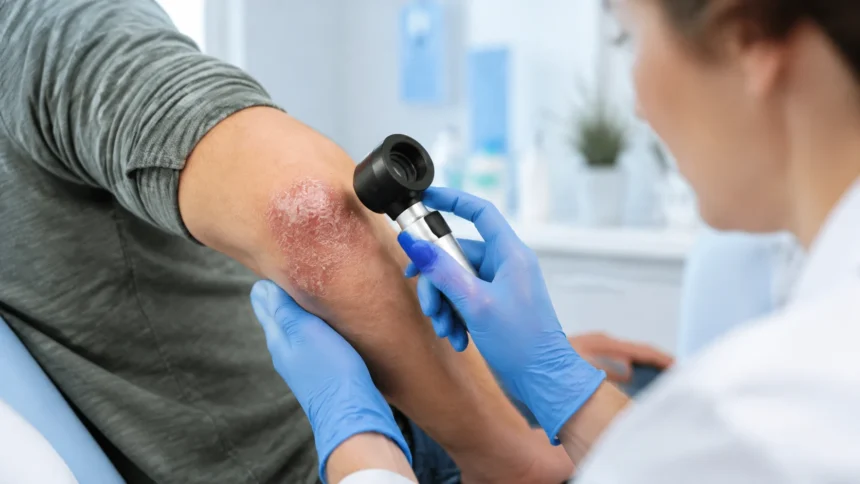
Psoriasis pictures can help you recognize common patterns, such as thick scaly patches, small drop-like spots, smooth folds of irritated skin, or changes around the nails. They can be especially useful when you are trying to understand why a rash looks different from ordinary dry skin. However, a photo cannot confirm that you have psoriasis or rule out another condition. Eczema, fungal infections, seborrheic dermatitis, allergic reactions, pityriasis rosea, and some medication reactions can look similar. Lighting, image editing, skin tone, and the stage of a flare can also change how a rash appears in pictures. Use psoriasis images as a learning tool, not as a substitute for a medical diagnosis.
Psoriasis is a long-term inflammatory condition in which the immune system speeds up skin-cell turnover. Instead of shedding gradually, skin cells build up quickly and create visible patches, scaling, or thickened areas. Symptoms can come and go, with periods of improvement followed by flares. Psoriasis is not contagious, and you cannot catch it through touching, sharing towels, swimming, or being close to someone who has it. The condition can affect the skin, scalp, nails, and joints, which is why it deserves more attention than a simple cosmetic concern. A dermatologist can help identify the type and create a plan that fits the severity and location of symptoms.
When looking at psoriasis pictures, pay attention to more than color alone. Look for the shape of the rash, whether there is fine or thick scaling, how sharply the edges are defined, and where the patches appear on the body. Plaque psoriasis often creates raised, well-defined areas, while inverse psoriasis may look smoother because it occurs in moist skin folds. On lighter skin, inflammation may appear pink, red, or salmon-colored. On brown or Black skin, psoriasis may look violet, grayish, deep brown, or darker than the surrounding skin, sometimes with less obvious redness. This variation is one reason image searches that show only one skin tone can be misleading.
A good psoriasis image guide should also show different body areas. Psoriasis on the scalp may resemble heavy dandruff, while psoriasis on the elbows and knees can create classic scaly plaques. Genital psoriasis may look smooth and red, purple, brown, or gray rather than thick and scaly because the area stays moist. Nail psoriasis can cause pitting, yellow-brown discoloration, thickening, crumbling, or lifting from the nail bed. Psoriasis on the hands and feet may crack, sting, and interfere with daily activities. Seeing these location-specific differences can help people describe their symptoms more accurately during an appointment.
The most helpful question is not “Does my skin look exactly like this picture?” but “Does this pattern resemble what I am experiencing?” Note when it started, where it appears, whether it itches or hurts, and what seems to make it better or worse. Take clear, well-lit photos for your own records if the rash changes between appointments. Include close-up images and wider shots that show the body location, but avoid sharing intimate-area images online or with unverified services. Bring your symptom notes and photos to a clinician who can examine your skin in person. That approach turns psoriasis pictures into a useful starting point instead of a source of anxiety or self-diagnosis.
Plaque Psoriasis Pictures: The Most Common Type
Plaque psoriasis is the most common form of psoriasis, and it is often what people mean when they search for psoriasis pictures. It usually appears as raised, sharply defined patches covered with dry, white, silvery, or grayish scale. On lighter skin, plaques may look red or pink beneath the scale. On darker skin, they may appear purple, violet, dark brown, gray, or deeper than the surrounding skin. The patches can be small and scattered or large enough to join together over broader areas. Plaque psoriasis can itch, burn, crack, bleed, or feel sore, especially when the skin is dry or repeatedly rubbed.
Classic plaque psoriasis often develops on the elbows, knees, lower back, scalp, and buttocks. These areas are common, but plaques can appear almost anywhere on the body. In pictures, the edges may look clearer and more defined than ordinary dry skin or eczema. The scale may be thick and layered, particularly on the scalp or long-standing plaques. Scratching can remove scales temporarily, but it may also cause bleeding, irritation, and worsening inflammation. If you notice persistent scaly patches that do not improve with basic moisturizers, a medical evaluation is worthwhile.
Plaques can look different depending on how active the flare is. During an active flare, the skin may be inflamed, thick, itchy, and covered with obvious scale. As a plaque improves, the scale may lessen while color changes remain for weeks or months. On darker skin tones, post-inflammatory darkening or lightening can remain after the active psoriasis calms down. This lingering color difference does not always mean the disease is still active, although new itch, scale, thickness, or spreading can suggest ongoing inflammation. A dermatologist can distinguish between active psoriasis, healing changes, and another skin condition that may need different treatment.
Scalp plaque psoriasis is a common reason people search for pictures of psoriasis. It may appear as thick, dry scale that extends beyond the hairline onto the forehead, behind the ears, or down the neck. Unlike typical dandruff, scalp psoriasis often forms more defined patches and can be associated with plaques elsewhere on the body. Scratching may create flakes on clothing, temporary hair shedding, or soreness, but psoriasis itself does not usually cause permanent hair loss. The scalp can be challenging to treat because hair makes it difficult for creams to reach the skin. Medicated shampoos, solutions, foams, and prescription treatments may be recommended depending on severity.
Plaque psoriasis can range from a few mild patches to widespread skin involvement that affects comfort, sleep, work, and self-confidence. The visible nature of plaques can be emotionally exhausting, particularly when people misunderstand the condition as contagious or related to poor hygiene. No one should feel pressured to hide their skin or explain it to strangers. Treatment may include moisturizers, topical medicines, phototherapy, oral medications, or biologic therapies, depending on the extent and impact of the disease. The American Academy of Dermatology provides patient education on psoriasis and treatment options. Visit the AAD for medically reviewed resources and help finding dermatology care.
Guttate Psoriasis Pictures: Small Drop-Like Spots
Guttate psoriasis looks very different from the thick plaques many people associate with psoriasis. Instead of large, raised patches, it often causes many small, round or teardrop-shaped spots across the trunk, arms, legs, or scalp. The spots may be pink, red, purple, brown, or darker than the surrounding skin depending on skin tone. Fine scaling may be present, but it is often lighter and less obvious than plaque psoriasis scale. In pictures, the rash can look scattered, sudden, and widespread rather than concentrated on elbows or knees. Because it may appear quickly, people sometimes mistake it for an allergic rash, insect bites, or a viral illness.
Guttate psoriasis commonly develops in children, teenagers, and young adults, although it can occur at any age. It may appear after a bacterial throat infection, especially strep throat, or after another infection that activates the immune system. Not everyone who has a throat infection develops guttate psoriasis, and not every sudden rash after illness is psoriasis. A clinician may ask about sore throat, fever, recent illness, family history, medications, and timing when evaluating the rash. They may also examine the throat or order testing if an infection is suspected. Treating a confirmed infection is important, but it does not always make the skin eruption disappear immediately.
In psoriasis pictures, guttate lesions often resemble drops scattered across the chest, back, abdomen, or limbs. They can be itchy, but some people notice the spots before they feel significant discomfort. The scale may be subtle on darker skin, where texture and changes in shade can be more visible than redness. The rash can develop over days or weeks and may coexist with plaque psoriasis in some people. It can also clear after a period of time, although some people later develop more typical plaque psoriasis. Tracking the timing of symptoms can give your clinician useful clues.
Guttate psoriasis should not be diagnosed from online photos alone because several conditions can create small scaly spots. Pityriasis rosea, secondary syphilis, fungal infections, drug reactions, and certain viral rashes can overlap in appearance. The distribution, scale pattern, symptoms, medical history, and physical examination all matter. If the rash begins after starting a new medication, involves fever, mouth sores, eye symptoms, or painful blistering, seek prompt medical care. These features may point to a more urgent reaction rather than routine psoriasis. Always tell a clinician about recent infections, travel, medications, and immune-system conditions.
Treatment for guttate psoriasis depends on how extensive the rash is and how much it affects daily life. Gentle skin care, moisturizers, topical medications, and light therapy may be used in some cases. A dermatologist may also treat an underlying trigger, review medications, or recommend a plan to prevent recurrence. Avoid harsh scrubs, picking, or unproven home remedies that can further irritate inflamed skin. Sun exposure is not a reliable substitute for prescribed phototherapy because sunburn can worsen psoriasis and raise skin-cancer risk. A careful diagnosis helps ensure you are treating the correct condition rather than chasing a look-alike rash.
Inverse Psoriasis Pictures: What It Looks Like in Skin Folds
Inverse psoriasis develops in areas where skin touches skin, such as the armpits, groin, genitals, under the breasts, between the buttocks, or in abdominal folds. It often looks smoother and shinier than plaque psoriasis because moisture and friction prevent the thick scale seen on drier body areas. On lighter skin, it may appear bright red or pink. On darker skin, it may look purple, dark brown, gray, or noticeably deeper in color than nearby skin. The area can itch, burn, sting, or become tender with movement and sweating. Because the rash occurs in private or sensitive areas, many people delay seeking care even when symptoms are uncomfortable.
Pictures of inverse psoriasis can be confusing because the condition may resemble a yeast infection, jock itch, intertrigo, contact dermatitis, or another skin-fold rash. Fungal infections often have a more active border or may spread outward in a ring-like pattern, but appearance alone is not always enough to tell. Psoriasis can also coexist with yeast or bacterial overgrowth in moist areas. A clinician may examine the skin, ask about symptoms, or perform simple tests to rule out infection. This matters because steroid creams can worsen some untreated fungal infections. Getting the diagnosis right prevents months of ineffective self-treatment.
Friction, heat, sweat, tight clothing, and excess moisture can make inverse psoriasis more uncomfortable. Soft, breathable fabrics and gentle cleansing may reduce irritation, but they do not replace medical treatment when symptoms persist. Avoid strongly scented soaps, deodorants, wipes, and fragranced powders because these can trigger contact dermatitis on already sensitive skin. After bathing, pat the area dry instead of rubbing. If you use a barrier product or powder, ask a clinician which option is appropriate for the specific body area. Genital skin and skin folds absorb medications differently than thicker areas such as elbows or knees.
Inverse psoriasis can significantly affect intimacy, exercise, sleep, and self-esteem. It is not caused by poor hygiene, sexually transmitted infection, or a lack of cleanliness. Still, pain or visible changes in genital skin should be evaluated because several conditions can look similar and may need different care. Be open with your clinician about the exact location of symptoms, even if it feels awkward. Dermatologists and primary-care clinicians discuss these issues regularly and can offer private, practical treatment guidance. You deserve care that addresses both the physical discomfort and the stress that can come with a sensitive-area flare.
Treatment may involve carefully selected topical medicines, moisture control, and treatment for any coexisting infection. The safest medication and strength depend on the body location, duration of use, and your medical history. Do not use a strong steroid from another body area in the groin or under the breasts unless a clinician has specifically told you to. Long-term misuse of potent steroids can thin delicate skin and cause other problems. If an inverse rash keeps returning, ask whether psoriasis, fungal infection, allergic contact dermatitis, or another diagnosis is most likely. A precise diagnosis is the fastest route to relief.
Pustular and Erythrodermic Psoriasis: Urgent Warning Signs
Pustular psoriasis is a less common type that causes visible white or yellowish pus-filled bumps on inflamed skin. The pus is not necessarily caused by infection, and it does not mean the condition is contagious. The surrounding skin can be red, purple, brown, or deeply discolored depending on skin tone. Some people develop pustules only on the palms and soles, while others can have more widespread symptoms. The skin may feel painful, hot, tender, or intensely itchy. Because pustular psoriasis can look alarming and may sometimes require urgent treatment, prompt medical evaluation is important.
Palmoplantar pustular psoriasis affects the hands and feet and can make walking, gripping objects, or completing routine tasks painful. In pictures, the palms or soles may show clusters of small pustules, scaling, cracking, and thickened skin. The lesions can dry into brownish crusts before new pustules form. Smoking, stress, infections, medication changes, and other factors may influence flares, although triggers vary between individuals. Do not squeeze or pick pustules because this can damage the skin barrier and increase discomfort. A dermatologist can help distinguish this condition from eczema, fungal infection, bacterial infection, and other palm-and-sole rashes.
Generalized pustular psoriasis is more serious and can involve widespread red or discolored skin with numerous pustules. It may occur with fever, chills, weakness, dehydration, rapid heartbeat, or a general feeling of being very unwell. This is not a situation to manage only with an online article, leftover creams, or home remedies. Seek urgent medical assessment if widespread pustules appear quickly, especially if you feel sick or have a history of psoriasis. Sudden medication withdrawal, infection, pregnancy, and certain drugs can sometimes be associated with severe flares. A clinician may need to check for infection and provide systemic treatment or hospital-based care.
Erythrodermic psoriasis is another rare but potentially life-threatening form of psoriasis. It can cause widespread redness or discoloration over most of the body, severe itching or pain, swelling, shedding of skin in sheets, chills, dehydration, and changes in body temperature or heart rate. On darker skin, the rash may appear purple, brown, gray, or deeply discolored instead of bright red. It can look as though the skin has been burned and may develop after poorly controlled psoriasis or abrupt treatment changes. This type of psoriasis affects the body’s ability to regulate temperature and fluid balance. It requires immediate medical care, not a routine appointment.
If you have psoriasis and suddenly develop widespread painful redness or discoloration, peeling, fever, chills, extensive pustules, or feel faint or dehydrated, seek emergency care. Do not abruptly stop prescribed psoriasis medications without medical guidance, as sudden changes can sometimes trigger severe flares. The NHS advises urgent assessment when psoriasis is associated with rapidly spreading skin changes and pus-filled bumps. Read the NHS psoriasis guidance for emergency warning signs. Erythrodermic psoriasis may require hospital treatment and close monitoring. Fast action can prevent serious complications and help stabilize symptoms safely.
Scalp, Nail, Hand, and Foot Psoriasis Pictures
Scalp psoriasis can appear as dry, thick scale, sharply defined patches, or areas of discoloration that extend beyond the hairline. It may develop on the scalp alone or alongside plaques on the elbows, knees, ears, neck, or lower back. The flakes can look white, silvery, gray, or yellowish depending on oil buildup and skin tone. Itching may range from mild to intense, and scratching can cause soreness or temporary hair shedding. In pictures, scalp psoriasis may look similar to dandruff or seborrheic dermatitis, but the plaques are often thicker and more clearly bordered. A dermatologist can help distinguish these conditions because treatment approaches may overlap but are not identical.
Nail psoriasis can affect fingernails, toenails, or both. Common signs include tiny pits in the nail surface, ridges, yellow-brown spots, thickening, crumbling, or separation of the nail from the nail bed. A nail may lift slightly and collect debris underneath, which can look similar to a fungal infection. Psoriasis and nail fungus can also occur together, so testing may be needed before treatment begins. Nail changes can be frustrating because nails grow slowly and improvement may take months. Avoid aggressive filing, cutting, or scraping under the nail, as trauma can worsen the problem.
Hand psoriasis can interfere with almost every daily task because hands are constantly exposed to water, soap, friction, and irritants. It may cause thick plaques on the palms, scaly patches on the backs of the hands, deep painful cracks, or small pustules. In pictures, hand psoriasis can resemble eczema, contact dermatitis, or fungal infection. Frequent handwashing, cleaning products, cold weather, and repetitive rubbing can make symptoms feel worse. Use gentle cleansers, lukewarm water, and fragrance-free moisturizer after washing. If cracks are bleeding, painful, or showing signs of infection, contact a healthcare professional.
Foot psoriasis may appear on the soles, heels, tops of the feet, or around the ankles. Thick scaling and fissures on the soles can make standing or walking painful. It is commonly confused with athlete’s foot, especially when peeling occurs between the toes or along the sides of the feet. Athlete’s foot may require antifungal treatment, while psoriasis needs a different strategy, so guessing can delay relief. Wearing breathable socks, keeping feet dry, and using prescribed treatment consistently can help. A clinician may take a small skin or nail sample if the diagnosis is uncertain.
Psoriasis in these visible or high-use areas can affect confidence, work, mobility, and sleep. You do not have to wait until symptoms become severe before asking for help. Tell your clinician how the condition affects daily tasks, such as typing, walking, washing hair, wearing shoes, or using your hands at work. That information helps them judge severity beyond the amount of skin involved. Effective treatment plans often consider function and quality of life, not only what a rash looks like in pictures. Your experience of pain, itch, embarrassment, or disruption is medically relevant.
Psoriasis Symptoms Beyond the Skin: Itch, Pain, and Joints
Psoriasis symptoms can be more complex than visible scaling. Itch is common and may be mild, persistent, or severe enough to disrupt sleep and concentration. Some people describe burning, stinging, tightness, tenderness, or pain rather than itching. Thick plaques can crack and bleed, particularly on the hands, feet, elbows, and knees. Repeated scratching can worsen inflammation and increase the chance of skin injury. Managing itch often requires a combination of moisturizing, trigger reduction, prescribed treatment, and strategies to break the scratch cycle.
Psoriasis can also affect the nails and joints, which is why it should be treated as a whole-body inflammatory condition rather than only a skin concern. Psoriatic arthritis is an inflammatory joint disease that can occur in people with psoriasis, although not everyone with psoriasis develops it. Warning signs include swollen fingers or toes, joint pain, morning stiffness, heel pain, reduced range of motion, or persistent tendon pain. Symptoms may be subtle at first and can occur even when skin psoriasis is mild. Early assessment is important because untreated inflammatory arthritis can lead to joint damage. Tell your dermatologist or primary-care clinician about any ongoing joint symptoms.
Fatigue is another symptom some people experience during active psoriasis flares. It may relate to inflammation, poor sleep from itching, emotional stress, pain, or other health conditions. Fatigue is not specific to psoriasis, so it should not be ignored or automatically blamed on a skin condition. Discuss it with a clinician, especially if it is new, severe, associated with weight loss, fever, shortness of breath, or low mood. A full evaluation may include questions about sleep, mood, medications, anemia, thyroid health, and other causes. Good psoriasis care includes looking beyond the surface of the skin.
The emotional effects of psoriasis are real and deserve care. Visible plaques, flaking, scalp symptoms, or nail changes can lead to embarrassment, social withdrawal, anxiety, and fear of being judged. People may avoid swimming, dating, hair appointments, short-sleeved clothes, or activities they once enjoyed. These reactions are understandable, especially when others wrongly assume psoriasis is contagious. Support from a dermatologist, therapist, support group, trusted friend, or patient organization can reduce isolation. If psoriasis is affecting your self-esteem or mood, mention it during medical appointments so treatment goals can include quality of life.
Keeping a symptom diary can help connect physical symptoms with possible triggers. Record the location and appearance of plaques, itch or pain levels, sleep quality, joint symptoms, recent illness, stress, weather changes, medications, and treatment use. This does not mean every flare has one clear cause, because psoriasis can be unpredictable. Still, patterns may emerge over time and help you and your clinician adjust your plan. Photos can be useful when symptoms come and go, especially if your skin looks different on the day of an appointment. Consistent notes turn vague memories into information that can support better treatment decisions.
Psoriasis Triggers, Flares, and Everyday Skin Care
Psoriasis flares can be influenced by many factors, and triggers vary widely between people. Stress, skin injury, infections, cold dry weather, smoking, heavy alcohol use, and certain medications are common examples. A trigger does not cause psoriasis in someone who is not predisposed to it, but it can worsen symptoms in someone who already has the condition. It is helpful to notice patterns without blaming yourself for every flare. Psoriasis is an immune-mediated condition, not a personal failure or a sign that you have done something wrong. The goal is to identify manageable factors while using effective medical treatment.
Skin injury can lead to new psoriasis lesions in some people, a response known as the Koebner phenomenon. Cuts, scratches, tattoos, sunburns, bug bites, friction, and harsh exfoliation may trigger plaques in areas of trauma. This does not mean you must avoid all normal activities, but protecting your skin can reduce unnecessary irritation. Use sunscreen, avoid picking plaques, choose gentle shaving methods, and treat cuts promptly. Tell a tattoo artist or other provider that you have psoriasis if you are considering a procedure involving the skin. Discuss any concerns with your dermatologist before doing something that could trigger a flare.
Daily moisturizing is one of the simplest ways to support psoriasis-prone skin. Thick creams or ointments without fragrance can reduce dryness, soften scales, and make plaques feel less tight or itchy. Apply moisturizer after bathing while the skin is still slightly damp. Short, lukewarm showers are usually gentler than long hot showers, which can dry the skin further. Use mild cleansers rather than heavily scented soaps or scrubs. Moisturizers do not replace prescription treatment, but they can make a meaningful difference in comfort and skin-barrier health.
Stress management may not cure psoriasis, but it can help reduce one common flare factor and improve coping during difficult periods. Try approaches that are realistic for your life, such as walking, gentle exercise, breathing exercises, journaling, therapy, structured rest, or speaking with supportive people. Sleep is also important because itching and stress can create a cycle of poor rest and worsening symptoms. If sleep problems persist, discuss them with a healthcare professional rather than relying on alcohol or unproven supplements. Treating psoriasis effectively often improves sleep because it reduces itch and discomfort. Mental well-being and skin health are closely connected.
Be cautious with “natural cure” claims for psoriasis. Some products can irritate the skin, interact with medications, or delay treatment that could prevent worsening symptoms. Coal tar, salicylic acid, and certain medicated shampoos may help some people, but they should be used as directed and discussed with a clinician when symptoms are extensive. Avoid applying essential oils, undiluted acids, bleach, or strong home mixtures to cracked or inflamed skin. If a remedy burns, stings, or causes spreading redness, stop using it and seek advice. Evidence-based treatment and gentle skin care are safer than chasing quick fixes online.
How Psoriasis Is Diagnosed and Treated
A clinician often diagnoses psoriasis by examining the skin, scalp, nails, and sometimes the joints. They will ask when symptoms began, whether anyone in your family has psoriasis, what treatments you have tried, and whether you have joint pain or recent infections. In some cases, a small skin biopsy may be used to rule out other conditions. The diagnosis is based on the full clinical picture, not only on how closely a rash resembles psoriasis pictures online. This is especially important when the rash is in skin folds, on the scalp, or accompanied by nail changes. Accurate diagnosis guides safer, more effective treatment.
Mild psoriasis may be managed with topical treatments applied directly to the skin. These can include prescription corticosteroids, vitamin D analogs, retinoid medicines, calcineurin inhibitors for sensitive areas, or products that soften and lift scale. The exact choice depends on where the psoriasis is located, how thick the plaques are, and how long treatment is needed. Strong steroids may be useful on thicker plaques but are not appropriate for all body areas. Delicate regions such as the face, genitals, and skin folds require special care. Follow directions closely and ask how long to use each product before starting.
Phototherapy, also called light therapy, may help people with more widespread psoriasis or plaques that do not respond adequately to topical treatment. Medical phototherapy uses specific ultraviolet wavelengths under professional guidance to slow excessive skin-cell growth and reduce inflammation. It is different from tanning beds or unplanned sun exposure, which can cause burns and increase skin-cancer risk. Treatment schedules, benefits, and risks should be reviewed with a dermatologist. Some people may be candidates for supervised home phototherapy, but this should not be started without medical oversight. Light therapy is one option among several, not a one-size-fits-all solution.
Moderate-to-severe psoriasis may require systemic treatments that work throughout the body. These include oral medications, injectable biologics, and other therapies that target immune pathways involved in inflammation. Treatment selection depends on disease severity, joint symptoms, pregnancy plans, infection history, other health conditions, insurance access, and personal preference. Newer therapies have helped many people achieve substantial skin clearance, but they require monitoring and discussion of possible risks. Never stop a systemic psoriasis treatment suddenly without medical advice. Regular follow-up helps ensure that treatment remains effective and safe as your needs change.
The best psoriasis treatment plan is one you can realistically follow and that improves both symptoms and daily life. Be honest about treatment burden, cost, side effects, fear of injections, work schedules, and what outcomes matter most to you. Some people want less itch, while others prioritize scalp clearance, hand function, sleep, nail appearance, or relief from joint pain. Your dermatologist can adjust the plan if the current approach is not working well enough. Psoriasis is usually a long-term condition, but it can often be controlled effectively with the right support. You do not need to manage flares alone or accept symptoms that interfere with your life.
FAQs
What does psoriasis look like in pictures?
Psoriasis often appears as raised, scaly patches or small drop-like spots, but color can range from pink and red to purple, gray, brown, or darker than nearby skin. The location, scale, and shape are often more useful than color alone.
Can psoriasis look like eczema?
Yes. Both can cause itchy, dry, inflamed skin, but psoriasis often has more defined borders and thicker scale. A clinician may need to examine the skin to tell the difference reliably.
Is psoriasis contagious?
No. Psoriasis is an immune-mediated condition and cannot spread through touch, kissing, swimming, shared towels, or close contact.
When should I seek urgent help for psoriasis?
Seek urgent care for rapidly spreading redness or discoloration, widespread pus-filled bumps, severe peeling, fever, chills, dehydration, or a rapid heartbeat. These can be signs of a severe psoriasis flare that needs immediate treatment.
Can psoriasis pictures diagnose my rash?
No. Images can help you learn what psoriasis may look like, but many rashes can appear similar. A dermatologist or qualified clinician should confirm the diagnosis.