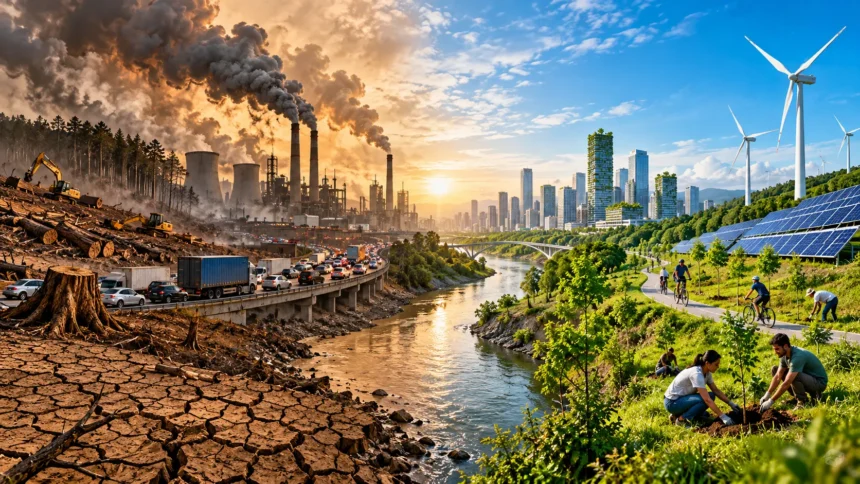
Global warming is one of the biggest environmental challenges facing our planet today. Rising temperatures are changing weather patterns, melting glaciers, and affecting natural ecosystems across the world. These changes also influence agriculture, water supplies, human health, and everyday life. Understanding why the Earth is getting warmer is an important step toward protecting the environment.
If you are wondering what causes global warming and how can we reduce it, the answer begins with human activities that release heat-trapping gases into the atmosphere. Burning fossil fuels, cutting down forests, and certain agricultural practices are among the major causes. Fortunately, cleaner energy, sustainable transportation, and improved environmental practices can help limit future warming.
This guide explains the main causes of global warming, how the greenhouse effect works, and the environmental changes associated with rising temperatures. It also explores practical solutions that individuals, businesses, and governments can use to reduce greenhouse gas emissions and support a healthier planet.
What Is Global Warming?
Global warming refers to the long-term increase in Earth’s average surface temperature. This warming has accelerated since the Industrial Revolution, mainly because human activities have increased the concentration of greenhouse gases in the atmosphere. These gases trap additional heat, changing the planet’s energy balance and gradually raising temperatures across land and oceans.
Global warming is closely connected to climate change, but the two terms have slightly different meanings. Global warming specifically describes the increase in average global temperature. Climate change includes the broader consequences of that warming, such as changing rainfall patterns, rising sea levels, melting glaciers, and shifting weather conditions.
Scientists study global warming using temperature measurements, satellite observations, ocean data, and historical climate records. These measurements show that Earth has experienced significant warming over the past century. Although natural climate variations still occur, human-generated greenhouse gas emissions are the primary cause of the current long-term warming trend.
How Does the Greenhouse Effect Cause Global Warming?
The greenhouse effect is a natural process that helps keep Earth’s temperature suitable for life. Sunlight passes through the atmosphere and warms the planet’s surface. The surface then releases energy as infrared radiation, while greenhouse gases absorb and reemit some of this energy, slowing the escape of heat into space.
Greenhouse gases include carbon dioxide, methane, nitrous oxide, water vapor, and certain industrial gases. These gases exist naturally, but human activities have increased the concentration of several of them. Higher concentrations strengthen the greenhouse effect, causing more energy to accumulate within Earth’s climate system.
The natural greenhouse effect is essential because Earth would otherwise be much colder. The problem is the additional warming created by human emissions. Reducing these emissions helps address the imbalance while preserving the natural atmospheric processes that support life, ecosystems, and environmental stability.
Burning Fossil Fuels Is the Biggest Cause of Global Warming
Burning fossil fuels is the largest contributor to human-caused global warming. Coal, oil, and natural gas release carbon dioxide when used for electricity generation, heating, transportation, and industrial activities. As carbon dioxide accumulates in the atmosphere, it strengthens the greenhouse effect and contributes to long-term increases in global temperatures.
Power stations that burn coal and natural gas produce electricity for homes, businesses, and industries. Although electricity is essential for modern life, generating it from fossil fuels creates substantial greenhouse gas emissions. Switching toward lower-emission energy sources can reduce the environmental impact of electricity production while meeting growing energy needs.
Fossil fuels are also used in vehicles, manufacturing equipment, and heating systems. This widespread dependence makes reducing emissions a complex challenge involving many industries. Improving energy efficiency, expanding cleaner technologies, and reducing unnecessary fossil fuel consumption are important steps toward limiting global warming.
Deforestation and Land Use Changes Contribute to Global Warming
Forests help regulate Earth’s climate by absorbing carbon dioxide through photosynthesis. Trees store carbon in their trunks, branches, roots, and surrounding soils. When forests are cleared or damaged, their ability to absorb carbon decreases, while some of the carbon previously stored in vegetation and soil can enter the atmosphere.
Deforestation often occurs when land is converted for agriculture, infrastructure, mining, or expanding human settlements. Forest fires and logging can also contribute to the loss of important ecosystems. These changes affect wildlife habitats, soil quality, water cycles, and the natural processes that help stabilize global temperatures.
Protecting existing forests is one of the most important nature-based strategies for addressing climate change. Restoring damaged ecosystems and improving land management can also support carbon storage. However, planting new trees cannot fully replace the benefits of mature forests or eliminate the need to reduce fossil fuel emissions.
Agriculture and Livestock Produce Greenhouse Gas Emissions
Agriculture contributes to global warming through several greenhouse gases, particularly methane and nitrous oxide. Livestock such as cattle produce methane during digestion, while manure management can release additional emissions. Agricultural soils can also generate nitrous oxide when nitrogen fertilizers and other nutrients are added.
Rice cultivation is another source of methane because flooded fields create conditions where certain microorganisms produce this gas. Agricultural machinery, food processing, and transportation may also depend on fossil fuels. These activities demonstrate how food production influences climate change through both direct and indirect emissions.
Reducing agricultural emissions requires practical improvements that protect food security and support farmers. Better fertilizer management, improved livestock practices, and efficient irrigation can reduce environmental impacts. Preventing food waste and supporting sustainable agricultural systems are additional ways to limit emissions while maintaining reliable food supplies.
Industrial Activities and Manufacturing Increase Global Warming
Industrial processes contribute to global warming through energy consumption and emissions created during manufacturing. Factories often depend on fossil fuels to produce the heat required for manufacturing materials. Industries such as steel, cement, and chemical production can generate significant greenhouse gas emissions because of their energy requirements and production processes.
Cement manufacturing is an important example because carbon dioxide is released during the chemical process used to produce clinker. These process emissions occur in addition to emissions from the fuels used to heat industrial equipment. As construction demand increases, developing lower-emission building materials becomes an important environmental priority.
Industries can reduce their climate impact by improving efficiency and adopting cleaner production technologies. Using low-emission electricity, recycling suitable materials, and developing alternative manufacturing methods can help. Some difficult-to-decarbonize processes may also require specialized solutions, including carefully managed carbon capture technologies.
Transportation and Vehicle Emissions Affect the Climate
Transportation contributes to global warming because many vehicles depend on gasoline, diesel, or other fossil fuels. Cars, trucks, airplanes, and ships release carbon dioxide during operation. Transportation emissions are influenced by fuel type, vehicle efficiency, distance traveled, and the availability of cleaner alternatives.
Urban areas with heavy traffic can experience substantial emissions from road transportation. Congestion and inefficient travel patterns may increase fuel consumption and air pollution. Expanding reliable public transportation, improving city planning, and encouraging efficient vehicles can reduce unnecessary energy use while making travel more convenient.
Electric vehicles can help lower transportation emissions, particularly when electricity comes from cleaner sources. Walking, cycling, and public transit can also reduce emissions where safe and practical infrastructure is available. For long-distance transportation, improved efficiency and cleaner fuels may play an additional role.
Waste Management and Landfills Release Methane
Waste disposal contributes to global warming when organic materials break down under conditions with little oxygen. Landfills containing food scraps, paper, and other biodegradable materials can release methane as decomposition occurs. Methane is a powerful greenhouse gas, making landfill emissions an important environmental concern.
Poor waste management can also create pollution and affect local communities. Uncontrolled dumping, open burning, and inefficient disposal systems may contribute to environmental and health problems. Reducing unnecessary waste and improving collection services can help address multiple environmental challenges at the same time.
Composting suitable organic materials and capturing methane from landfills are examples of practical waste management improvements. Recycling and reusing products can also reduce demand for energy-intensive manufacturing. Communities that develop effective waste reduction systems can conserve resources while contributing to broader climate goals.
What Are the Major Effects of Global Warming?
Rising global temperatures increase the likelihood and intensity of certain extreme weather events, particularly heatwaves. Warmer air can also hold more moisture, contributing to heavier rainfall under suitable conditions. Climate change affects regions differently, so some communities experience greater risks from drought, flooding, or changing seasonal weather patterns.
Global warming also causes glaciers and ice sheets to lose mass, contributing to rising sea levels. Coastal communities may face increased flooding, erosion, and damage during storms. Warmer oceans can affect marine ecosystems, while rising temperatures place additional pressure on coral reefs and other sensitive habitats.
Human health, agriculture, and freshwater resources are also affected by climate change. Extreme heat can increase health risks, while changing rainfall patterns may disrupt farming and water availability. These impacts demonstrate why reducing greenhouse gas emissions and preparing communities for climate-related risks are both essential.
How Can Renewable Energy Help Reduce Global Warming?
Renewable energy provides an important alternative to electricity generated from fossil fuels. Solar panels convert sunlight into electricity, while wind turbines use moving air to generate power. These technologies produce electricity without the direct carbon dioxide emissions associated with burning coal or natural gas during operation.
Hydropower, geothermal energy, and other low-emission technologies can also contribute to cleaner energy systems. However, each energy source has environmental considerations, including land use, materials, and effects on local ecosystems. Responsible planning and appropriate technology choices help balance climate benefits with other environmental priorities.
Expanding renewable electricity can support cleaner transportation, building heating, and industrial operations. Reliable power systems may also require improved electricity networks, energy storage, and flexible demand management. Combining these solutions can help countries reduce dependence on fossil fuels while maintaining dependable energy supplies.
Improving Energy Efficiency Can Lower Carbon Emissions
Energy efficiency means using less energy to provide the same service or perform the same activity. Efficient appliances, improved insulation, and modern heating systems can lower energy consumption in buildings. These improvements may reduce greenhouse gas emissions while also helping households and businesses manage electricity expenses.
Buildings account for significant energy use because they require lighting, heating, cooling, and electrical equipment. Sealing unwanted air leaks, using efficient lighting, and improving insulation can reduce unnecessary energy consumption. Selecting appropriately sized heating and cooling equipment can also improve comfort while limiting wasted energy.
Businesses and industries can improve efficiency through equipment upgrades, maintenance, and smarter energy management. Reducing energy waste is often a practical complement to adopting renewable energy. When efficiency improvements are implemented across large numbers of buildings and facilities, their combined emissions benefits can become substantial.
How Can Individuals Help Reduce Global Warming?
Individuals can contribute to climate solutions by making practical choices that fit their circumstances. Reducing unnecessary energy use, choosing efficient appliances when replacements are needed, and avoiding avoidable food waste are useful starting points. These actions can support environmental goals without requiring people to make expensive changes immediately.
Transportation choices can also influence a person’s carbon footprint. Using public transportation, sharing suitable journeys, or walking for short trips can reduce vehicle-related emissions when practical. However, these options depend on local infrastructure, accessibility, personal safety, and the transportation services available in each community.
People can also support climate-friendly initiatives through education, community participation, and informed purchasing decisions. Choosing durable products and repairing usable items may reduce material waste. Individual choices matter, but the largest reductions also depend on broader changes in electricity systems, transportation networks, industries, and government policies.
How Can Governments and Businesses Fight Global Warming?
Governments play an important role in reducing global warming by developing policies that encourage lower greenhouse gas emissions. Investments in clean electricity, public transportation, energy-efficient buildings, and climate research can support long-term progress. Environmental regulations and emissions standards may also encourage businesses to adopt cleaner technologies.
Businesses can contribute by measuring their emissions and identifying opportunities to reduce them. Energy efficiency improvements, cleaner electricity procurement, responsible supply chain management, and lower-emission manufacturing processes are practical strategies. Transparent progress reporting can help companies evaluate whether their environmental commitments are producing meaningful results.
International cooperation is also important because greenhouse gases influence the entire planet regardless of where they originate. Countries can share technology, financial resources, and expertise to support climate solutions. Effective global action requires cooperation while recognizing that countries have different development needs, resources, and historical contributions to emissions.
Can Planting Trees Stop Global Warming?
Planting trees can help remove carbon dioxide from the atmosphere as forests grow. Trees also support biodiversity, improve soil health, and provide shade in suitable locations. Restoring forests can therefore deliver multiple environmental benefits, particularly when projects use appropriate species and protect existing ecosystems.
However, tree planting alone cannot stop global warming because human activities continue releasing large amounts of greenhouse gases. Newly planted trees take time to grow and may be vulnerable to drought, disease, or wildfires. Protecting mature forests and reducing emissions are essential parts of an effective climate strategy.
Successful restoration requires long-term planning rather than simply planting large numbers of seedlings. Appropriate species selection, local ecological conditions, and continued maintenance influence whether restoration projects succeed. Forest conservation works best alongside clean energy, sustainable agriculture, and broader efforts to reduce greenhouse gas emissions.
Why Immediate Climate Action Is Important
Global warming is a long-term challenge because carbon dioxide can influence the climate for many years after being released. Continued emissions increase the amount of heat trapped within Earth’s climate system. Reducing emissions sooner can limit additional warming and lower the risk of increasingly severe climate impacts.
Delaying climate action may also make future changes more difficult and expensive. Infrastructure, industrial equipment, and energy systems often remain in use for decades. Investing in cleaner alternatives during normal replacement and development cycles can help avoid unnecessary dependence on high-emission technologies.
Addressing global warming requires both mitigation and adaptation. Mitigation focuses on reducing greenhouse gas emissions, while adaptation helps communities prepare for changing climate conditions. Together, these approaches can protect people, strengthen infrastructure, and support a more resilient future for vulnerable populations.
Conclusion
Understanding what causes global warming and how we can reduce it begins with recognizing the role of human activities. Burning fossil fuels, deforestation, agriculture, manufacturing, and waste management all contribute to greenhouse gas emissions. These gases strengthen the greenhouse effect and increase Earth’s average temperature, affecting ecosystems and communities worldwide.
Reducing global warming requires cleaner energy, improved efficiency, sustainable land management, and lower-emission transportation. Protecting forests and reducing unnecessary waste can provide additional environmental benefits. Governments, businesses, and individuals each have important roles, although large-scale changes to energy and industrial systems are especially necessary.
Global warming cannot be solved through a single action or technology. Meaningful progress depends on coordinated efforts that reduce emissions while helping communities adapt to environmental changes. By supporting practical climate solutions and making informed decisions, societies can limit future warming and create a healthier, more sustainable planet.
Frequently Asked Questions (FAQs)
What is the main cause of global warming?
The main cause of modern global warming is human-generated greenhouse gas emissions, especially carbon dioxide from burning coal, oil, and natural gas. These emissions strengthen the greenhouse effect and increase Earth’s average temperature.
What are five major causes of global warming?
Five major causes are fossil fuel combustion, deforestation, agriculture, industrial manufacturing, and waste-related emissions. These activities increase atmospheric greenhouse gases, including carbon dioxide, methane, and nitrous oxide.
How can we reduce global warming in everyday life?
People can reduce unnecessary energy use, avoid food waste, choose efficient appliances, and use lower-emission transportation when practical. Supporting clean energy and effective environmental policies can also contribute to broader climate solutions.
Can global warming be stopped completely?
Future warming can be limited by rapidly reducing greenhouse gas emissions and reaching global net-zero carbon dioxide emissions. However, some climate changes may continue for decades or longer, making adaptation important alongside emissions reductions.
What is the difference between global warming and climate change?
Global warming refers specifically to the long-term rise in Earth’s average temperature. Climate change is a broader term covering warming and related environmental changes, including altered rainfall, melting ice, and rising sea levels.