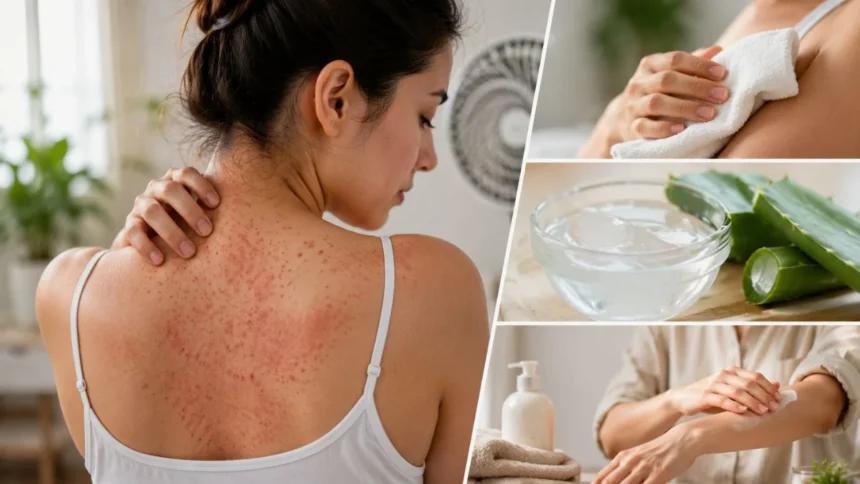
How to Get Rid of Heat Rash Quickly
Heat rash can appear suddenly after exercise, outdoor work, hot weather, or spending time in a warm and humid room. The skin may develop clusters of tiny bumps that itch, sting, or create an uncomfortable prickling sensation. Although it can look alarming, mild heat rash often improves once the skin becomes cooler and sweating decreases.
The fastest way to get rid of heat rash is to move into a cool environment, remove tight or sweaty clothing, and cool the affected skin gently. A cool shower, damp cloth, fan, or air-conditioned room can reduce further sweat buildup and give blocked sweat ducts an opportunity to recover.
You should also keep the rash dry and avoid thick lotions, body oils, fragranced products, and tight bandages that trap heat against the skin. Scratching or squeezing the bumps can damage the surface, increase inflammation, and allow bacteria to enter through small breaks.
Most mild cases settle within a few days, but not every itchy summer rash is heat rash. A rash that becomes painful, produces pus, spreads despite cooling, or appears with fever or serious heat-related symptoms should be examined by a healthcare professional.
Quick Answer: How Do You Get Rid of Heat Rash Fast?
Move into an air-conditioned room or another cool, shaded area as soon as possible. Stop exercise and any activity that causes heavy sweating. Reducing heat exposure is the most important step because the rash cannot settle while sweat continues becoming trapped beneath the skin.
Take a cool or lukewarm shower and let the skin air-dry when practical. You can also place a clean, cool, damp cloth over the irritated area for approximately 10 to 20 minutes. Avoid using ice directly because extreme cold can irritate or injure sensitive skin.
Change into loose, lightweight, breathable clothing made from a comfortable fabric. Keep folds of skin separated and dry when the rash appears beneath the breasts, abdomen, groin, or armpits. Pause the use of tight gym wear, shapewear, heavy uniforms, or restrictive straps until the rash improves.
For persistent itching, ask a pharmacist whether calamine lotion, an appropriate anti-itch product, or an antihistamine is suitable for you. Medication choice depends on age, pregnancy, health conditions, rash location, and other medicines, so not every over-the-counter treatment is appropriate for everyone.
What Is Heat Rash?
Heat rash develops when sweat ducts become blocked and perspiration cannot escape normally onto the surface of the skin. The trapped sweat causes irritation, leading to small bumps, itching, mild swelling, or a prickling sensation. The medical name for heat rash is miliaria.
The condition is also called prickly heat or sweat rash. It commonly develops during hot, humid weather, but it can also occur during winter when heavy clothing, electric blankets, fever, or an overheated room causes prolonged sweating.
Heat rash can affect people of any age. Babies are particularly vulnerable because their sweat ducts are still developing, while athletes, outdoor workers, people on bed rest, and anyone wearing heavy protective clothing may also experience repeated outbreaks.
The rash is not contagious and cannot spread from one person to another. It may seem to spread across your own body when additional sweat ducts become blocked, but this does not mean an infection is passing from one area or person to another.
What Does Heat Rash Look and Feel Like?
A typical heat rash causes groups of tiny raised spots or blister-like bumps. They may look red or pink on lighter skin, while redness can be harder to see on brown or Black skin. The affected area may instead appear darker, grey, purple, or similar in color to the surrounding skin.
The bumps often feel itchy, prickly, burning, or mildly sore. Some people describe the sensation as tiny pins pressing into the skin whenever they become warm or begin sweating. The irritation may increase beneath clothing or in areas where skin rubs together.
Heat rash commonly appears on the neck, chest, upper back, armpits, waist, groin, beneath the breasts, and inside skin folds. Babies may develop it around the neck, shoulders, chest, back, or areas covered by clothing and diapers.
The appearance can vary according to how deeply the sweat duct is blocked. Some forms create clear, fragile blisters without much inflammation, while the common prickly form produces itchy or inflamed bumps. Deep or severe heat rash is less common and may require medical evaluation.
Step 1: Stop Sweating and Move Somewhere Cool
Cooling your environment is the most effective way to stop heat rash from worsening. Go indoors, sit near a fan, use air conditioning, or move into deep shade. Remaining in the same hot environment while applying creams will provide limited relief because new sweat remains trapped.
Stop strenuous exercise, gardening, outdoor work, or another activity that raises your body temperature. Give the skin time to cool before returning to normal activity. Continuing to exercise through the rash can make the itching, stinging, and inflammation more intense.
Remove unnecessary layers, protective gear, or damp clothing. Change out of sweaty shirts, bras, socks, underwear, helmets, gloves, and compression clothing. Wet fabric sitting against the skin keeps the area warm and prevents sweat from evaporating efficiently.
If air conditioning is unavailable, improve airflow by opening safe windows, using a fan, and resting in the coolest part of the building. Keep blinds or curtains closed against direct sunlight and avoid using heavy blankets while the rash is active.
Step 2: Cool the Skin Gently
Take a cool or lukewarm bath or shower to remove sweat and lower skin temperature. Use plain water or a mild, fragrance-free cleanser when necessary. Hot water can intensify itching and encourage additional sweating, so the water should feel comfortably cool rather than warm.
After bathing, pat the skin lightly with a clean towel or allow it to air-dry. Vigorous rubbing can break delicate bumps and increase inflammation. Pay particular attention to drying skin folds where moisture can remain trapped after the rest of the body feels dry.
A clean, damp washcloth can provide targeted relief when a shower is not available. Place it over the rash for 10 to 20 minutes, remove it, and let the area dry. Repeat the process several times during the day if it continues to feel soothing.
Do not place ice cubes or frozen packs directly against the rash. Intense cold may damage the skin and does not unblock sweat ducts more effectively. When using a cold pack, wrap it in a soft cloth and limit the contact time.
Step 3: Keep the Rash Dry and Uncovered
Once the skin has cooled, allow air to circulate around the affected area whenever privacy and comfort allow. Loose clothing or brief periods without covering can help sweat evaporate instead of collecting beneath tight fabric.
Choose lightweight, breathable shirts, shorts, pajamas, and underwear. Cotton and moisture-managing fabrics may feel more comfortable, but the fit matters as much as the material. Any fabric that presses, rubs, or traps sweat can continue irritating the rash.
Change clothing and bedding when they become damp. Sleeping on hot, sweaty sheets can cause the rash to flare overnight. Lightweight bedding, a fan, and a cooler bedroom may reduce both discomfort and repeated sweating.
For rashes within skin folds, gently dry the area after washing and whenever moisture collects. Do not scrub deeply between folds. A clean, soft cloth can be used to absorb moisture, but it should be removed rather than left tightly packed against the skin.
Use Loose Clothing to Reduce Friction
Tight clothing creates friction while trapping heat and perspiration against the skin. Leggings, compression shorts, tight bras, waistbands, shapewear, and fitted synthetic tops can therefore worsen prickly heat even when they normally feel comfortable.
Switch temporarily to loose garments that do not press directly against the bumps. A flowing shirt, relaxed shorts, loose underwear, or a lightweight nightdress can reduce rubbing and improve airflow while the skin heals.
Pay attention to straps, seams, and elastic edges. A rash may continue only along a bra band, backpack strap, waistband, or protective-equipment edge because the pressure and sweat remain concentrated in that location.
Wash sweaty clothing before wearing it again. Dried salt, body oils, detergent residue, and bacteria can irritate already sensitive skin. Use a gentle detergent if fragrance or fabric products appear to make the rash sting.
How to Relieve Heat Rash Itching
Cooling is usually the best anti-itch treatment because heat and sweat are the main triggers. Apply a cool damp cloth, sit near a fan, or take another cool shower when the prickling sensation returns. Try not to scratch while waiting for the skin to settle.
A pharmacist may recommend calamine lotion for suitable cases. Apply only a thin layer and follow the package directions. Stop using it if the product causes burning, excessive dryness, or a worsening rash.
An over-the-counter antihistamine may help some people manage significant itching. Some antihistamines cause drowsiness and may interact with alcohol, sedatives, or other medicines. Ask a pharmacist which product is suitable, particularly for children, pregnancy, or older adults.
A mild hydrocortisone cream may sometimes be suggested for short-term inflammation, but it is not appropriate for every location or age. Do not apply it to broken or infected skin, and seek professional advice before using it on the face, groin, or a young child.
Can You Use Powder on Heat Rash?
Some people use body powder to absorb moisture in areas prone to sweating. A small amount of an appropriate fragrance-free product may reduce dampness, but powder does not treat the blocked sweat ducts themselves.
Avoid applying thick layers because powder can combine with sweat and form a paste that traps moisture. Stop using it when the skin becomes more irritated, dry, cracked, or uncomfortable.
Loose powder can be inhaled, particularly by babies and young children. Do not shake talcum powder, cornstarch, or another fine powder close to a child’s face. In many cases, cooling, light clothing, and careful drying are safer first steps.
Do not use powder over open blisters, raw skin, pus, or suspected infection. A healthcare professional should assess a rash that has become damaged or infected rather than covering it with additional products.
What Should You Avoid Putting on Heat Rash?
Avoid petroleum jelly, thick body butter, heavy ointments, massage oils, and greasy cosmetics over the affected area. These products can form an occlusive layer that traps heat and sweat, potentially blocking the ducts further.
Temporarily stop fragranced body lotions, perfumes, aftershaves, deodorants, and strongly scented soaps when they sting or worsen the rash. Irritated skin may react to products that normally cause no problem.
Do not apply undiluted essential oils, rubbing alcohol, bleach, vinegar, lemon juice, toothpaste, or other harsh home remedies. These substances can cause chemical irritation, dryness, burns, or contact dermatitis that becomes harder to distinguish from the original heat rash.
Use sunscreen when sun exposure cannot be avoided, but choose a lighter, non-comedogenic formula that feels comfortable. The better option during an active flare is to stay cool and shaded rather than repeatedly covering the rash with heavy sunscreen.
Do Not Pop or Scratch the Bumps
Heat rash bumps are caused by blocked sweat ducts rather than acne. Squeezing them will not remove a pore plug or make the rash disappear faster. It can instead break the skin and introduce bacteria from your fingers or nails.
Scratching provides temporary relief but often makes itching worse afterward. Repeated scratching can create small wounds, bleeding, scabs, and dark marks that remain after the original rash has resolved.
Keep fingernails short and clean while the rash is active. At night, lightweight clothing can reduce unconscious scratching without trapping too much heat. Young children may need closely trimmed nails to limit skin damage.
When itching is difficult to control, use cooling methods and ask a pharmacist about a suitable product. A rash that remains intensely itchy despite becoming cool may be another condition, such as hives, eczema, contact dermatitis, scabies, or a fungal infection.
How to Treat Heat Rash on the Face and Neck
Move into a cool room and gently rinse the face and neck with cool or lukewarm water. Remove sweat, makeup, and heavy skincare products without scrubbing. Use a mild cleanser only when necessary, then pat the skin dry.
Pause facial oils, thick night creams, heavy foundation, and occlusive balms until the rash clears. Choose light, fragrance-free products when moisture or sun protection is needed, and introduce them one at a time to see how the skin responds.
Avoid applying steroid cream close to the eyes or across the face without guidance from a pharmacist or clinician. Facial skin is more sensitive, and steroid misuse can create additional problems, especially when the rash has been misidentified.
Seek medical advice for facial swelling, eye involvement, severe pain, crusting, pus, or blisters around the mouth. Breathing difficulty or sudden swelling of the lips, tongue, or throat suggests an allergic emergency rather than ordinary heat rash.
Heat Rash Under the Breasts, Armpits or Groin
Skin folds remain warm and moist because air cannot circulate easily between the surfaces. Friction from movement and tight clothing adds further irritation, making the breasts, armpits, abdomen, and groin common areas for sweat rash.
Wash gently, dry the fold thoroughly, and choose clothing that reduces rubbing. A clean, breathable layer between touching skin surfaces may help absorb moisture, but it should be changed whenever it becomes damp.
A rash in a skin fold is not always heat rash. Yeast and other fungal infections can produce a red, sore, or itchy rash that remains moist and may develop smaller spots around its edges. These conditions require a different treatment.
See a pharmacist or clinician when a fold rash has an odor, cracks, oozes, spreads beyond the fold, or does not improve with cooling. Avoid applying a steroid alone to a possible fungal rash because it may hide symptoms while allowing the infection to worsen.
How to Treat Heat Rash in Babies
Move the baby into a cooler room and remove unnecessary layers. Dress them in one lightweight, breathable layer and check the chest or back rather than the hands and feet when deciding whether they feel too warm.
Give the baby a cool or lukewarm bath and gently pat the skin dry. Allow supervised air exposure to the affected area when practical. Keep the room comfortably cool, but do not direct extremely cold air or ice against the baby’s skin.
Avoid thick creams, oils, and powders unless a pediatric professional recommends a specific product. Do not give an antihistamine or apply medicated cream to a baby without checking the age restrictions and obtaining appropriate guidance.
Contact a pediatrician when the rash lasts more than a few days, worsens, produces pus, or appears with poor feeding, unusual sleepiness, or fever. A fever in a young infant requires prompt professional advice because ordinary heat rash does not itself cause an infection-related fever.
How Long Does Heat Rash Last?
Mild heat rash often begins improving within hours after the skin is cooled and sweating stops. The prickling sensation may settle before the visible bumps disappear, so continue keeping the area cool even when discomfort improves quickly.
Most uncomplicated cases clear within a few days. The exact timeline depends on the type of heat rash, how much skin is affected, whether sweating continues, and whether scratching has damaged the surface.
Repeated outbreaks can occur when you return to the same hot environment too soon. A rash that seems to disappear indoors and return during work or exercise may indicate that the skin has not had enough time to recover.
Seek medical advice when the rash shows no improvement after several days of careful cooling or lasts longer than expected. Persistent bumps may represent eczema, folliculitis, a fungal infection, contact dermatitis, or another skin condition.
Signs That Heat Rash May Be Infected
Scratching or rubbing can break the skin and allow bacteria to enter. An infected area may become increasingly painful, warm, swollen, or tender rather than gradually improving as the body cools.
Watch for pus, yellow crusting, open sores, red streaks, or redness that continues spreading beyond the original bumps. On darker skin, spreading infection may appear as increasing discoloration, swelling, warmth, or tenderness rather than bright redness.
Fever, chills, swollen lymph nodes, or feeling generally unwell can also suggest infection. Heat rash alone normally causes local skin symptoms and should not produce significant systemic illness.
Contact a healthcare professional promptly when infection is possible. Do not squeeze pus, cover the area with a tight dressing, or use leftover antibiotic cream because the correct treatment depends on the type and severity of the infection.
Heat Rash vs. Heat Exhaustion
Heat rash affects the skin, while heat exhaustion affects the entire body after excessive heat exposure and loss of water and salt. A person may have both conditions, but a visible rash should never distract from more serious symptoms.
Heat exhaustion can cause heavy sweating, headache, nausea, dizziness, weakness, thirst, irritability, and reduced urination. Move the person into a cool location, loosen clothing, apply cool wet cloths, and provide fluids when they are fully awake and able to drink safely.
Medical help is important when symptoms are severe, continue despite cooling, or affect someone with significant health risks. Vomiting, faintness, or an inability to drink can make home rehydration inadequate.
Do not assume that dizziness or weakness is simply caused by uncomfortable skin. Heat-related illness can worsen quickly, particularly in children, older adults, outdoor workers, athletes, and people with chronic medical conditions.
Heat Stroke Is an Emergency
Heat stroke occurs when the body can no longer control its temperature effectively. Warning signs may include confusion, unusual behavior, slurred speech, seizures, loss of consciousness, severe weakness, or a very high body temperature.
The person may have hot skin and can be sweating heavily or have dry skin. The presence or absence of sweat does not safely rule heat stroke in or out. Changes in mental state are especially important warning signs.
Call emergency services immediately and begin cooling the person while help is coming. Move them to shade or air conditioning, remove unnecessary clothing, and apply cool wet cloths or other safe cooling methods.
Do not force an unconscious, confused, or vomiting person to drink. Heat stroke can damage the brain, heart, kidneys, and muscles, so it cannot be treated only with rash cream, water, or rest at home.
How to Prevent Heat Rash From Returning
Keep living and sleeping spaces as cool as practical during hot weather. Use fans, air conditioning, shade, lightweight bedding, and ventilation to reduce prolonged sweating, particularly overnight.
Plan exercise, gardening, and outdoor work for cooler parts of the day. Take regular breaks in shade or air conditioning, drink fluids, and change out of wet clothing rather than remaining in it for several hours.
Wear loose, breathable clothing and avoid adding unnecessary layers. Protective equipment may be essential for work or sport, but it should fit correctly, and scheduled cooling breaks can reduce heat and moisture buildup beneath it.
Shower after sweating and dry skin folds carefully. Use lighter skincare products in hot weather, and wash clothing, straps, helmets, and equipment that repeatedly touch areas where heat rash develops.
When Should You See a Doctor?
Arrange a medical evaluation when the rash is severe, painful, repeatedly returning, or not improving after several days in a cooler environment. A clinician can determine whether the problem is heat rash or another skin condition.
Seek advice sooner when the rash involves a baby, someone with reduced immunity, or a person who cannot move or regulate body temperature easily. These groups may develop complications more quickly or have difficulty communicating worsening symptoms.
Contact a professional for pus, increasing warmth, spreading swelling, fever, swollen glands, open wounds, or red streaks. These features may indicate infection rather than an uncomplicated sweat rash.
Get emergency help for confusion, fainting, seizure, severe breathing difficulty, sudden facial swelling, or other serious whole-body symptoms. These signs require immediate care and should never be managed as an ordinary heat rash.
Final Thoughts
The fastest way to get rid of heat rash is to cool your body and stop the sweating that is blocking the ducts. Move indoors, pause strenuous activity, remove damp clothing, and use a cool shower or damp cloth.
Keep the skin dry, uncovered when possible, and protected from friction. Loose clothing, lightweight bedding, airflow, and regular changes of sweaty fabric can help the rash settle without additional irritation.
Avoid scratching, squeezing, heavy oils, thick creams, and harsh home remedies. Ask a pharmacist before using calamine, antihistamines, or hydrocortisone, particularly for children, pregnancy, facial skin, or sensitive body areas.
Most mild heat rashes improve within a few days. Pain, pus, fever, spreading inflammation, or signs of heat exhaustion or heat stroke require professional medical attention rather than continued home treatment.
What is the fastest way to clear heat rash?
Move into a cool environment, stop sweating, take a cool shower, and wear loose clothing. Keep the skin dry and avoid oily products that can trap heat or block sweat ducts further.
Can heat rash go away overnight?
A mild rash may feel much better overnight when the room is cool and the skin remains dry. The visible bumps may still take several days to disappear completely.
Is calamine lotion good for heat rash?
Calamine may help relieve itching in some people, but it does not replace cooling the skin. Follow the label and ask a pharmacist whether it is suitable for your age and rash location.
Should you put ice on heat rash?
Do not place ice directly on the skin because it can cause irritation or cold injury. Use a cool damp cloth or a wrapped cold pack for short periods instead.
When should I worry about heat rash?
Seek medical care for pus, worsening pain, spreading swelling, fever, or a rash that does not improve. Confusion, fainting, seizures, or severe weakness during heat exposure require emergency help.