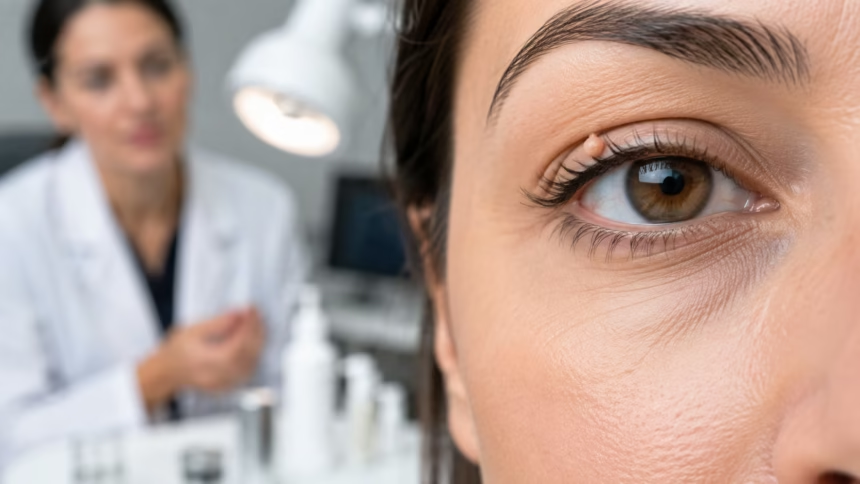
Skin Tag on Eyelid: Causes, Safety and Removal Options
Finding a small growth near your eye can understandably make you worried. Because the eyelid is delicate and highly visible, even a harmless bump may feel uncomfortable or affect your confidence. Fortunately, a true skin tag on the eyelid is usually a benign growth rather than a serious eye condition.
A skin tag may look like a soft piece of skin hanging from the upper or lower eyelid. It can remain unnoticed for years or become irritating when you blink, rub your eyes, apply makeup or wear glasses. Larger growths may occasionally interfere with the normal movement of the eyelid.
Although skin tags are normally harmless, it is not always easy to identify an eyelid growth by appearance alone. Warts, cysts, moles and certain skin cancers can sometimes resemble a skin tag. A professional examination is particularly important when the growth is changing, bleeding, painful or affecting vision.
This guide explains what causes eyelid skin tags, how to recognise their common features and when to seek medical advice. It also covers safe skin tag removal on the eyelid, professional treatment methods and why home removal should be avoided around the eye.
What Is a Skin Tag on the Eyelid?
A skin tag is a small, noncancerous growth made from normal skin tissue. Its medical name is acrochordon, although it may also be called a fibroepithelial polyp. Skin tags can develop on many parts of the body, including the neck, underarms, groin and eyelids.
Most skin tags project outward from the surface of the skin. Some have a thin stalk that makes the growth appear to hang or dangle, while others sit closer to the skin. They may be extremely small or gradually become large enough to notice whenever you look in the mirror.
An eyelid skin tag is normally painless and does not affect the eyeball itself. However, its location can make it more noticeable than a skin tag elsewhere. It may rub against the surrounding skin, touch the lashes or become irritated by facial cleansers, cosmetics and repeated eye rubbing.
Treatment is not always medically necessary when the diagnosis is clear and the growth causes no problems. Removal may be considered when the tag becomes irritated, bleeds repeatedly, affects eyesight or causes significant cosmetic concern.
What Does an Eyelid Skin Tag Look Like?
A typical eyelid skin tag looks soft, smooth and flesh-coloured. It may also appear slightly darker, pink or brown depending on a person’s natural skin tone and whether the growth has been irritated. Most tags are flexible rather than firm when touched gently.
The growth often has a narrow stalk connecting it to the eyelid. This stalk-like shape is one of the features that may distinguish a skin tag from a cyst or blocked eyelid gland. However, some skin tags have a broader base and may look similar to other benign eyelid lesions.
Skin tags usually remain stable and painless. They may become red, tender or swollen if they are repeatedly rubbed, twisted or scratched. A tag can also bleed if it is caught by a fingernail, makeup applicator, eyelash curler, towel or pair of glasses.
Appearance alone cannot confirm that a growth is an acrochordon. A wart, mole, eyelid papilloma or more serious lesion may share similar features. A dermatologist or ophthalmologist can examine its surface, shape, colour, location and growth pattern before recommending treatment.
What Causes Skin Tags Around the Eyes?
The exact process behind every skin tag is not fully understood, but repeated friction appears to play an important role. Skin tags commonly form where skin rubs against skin or another surface. Natural eyelid folds and frequent eye rubbing may create conditions that encourage their development.
Age is another common factor. Skin tags are seen more often in adults and tend to become increasingly common as people get older. Changes in skin elasticity, body composition and long-term friction may help explain why a new eyelid growth can appear later in life.
Skin tags are also more common among people with overweight, diabetes or metabolic syndrome. These associations do not mean that everyone with one skin tag has an underlying medical condition. A single eyelid tag is common and is not enough to diagnose a blood sugar problem.
Family history may affect a person’s likelihood of developing skin tags. Pregnancy and loose skin can also increase their appearance in some individuals. Anyone who suddenly develops numerous skin tags may benefit from discussing the change with a healthcare professional.
Is a Skin Tag on the Eyelid Dangerous?
A correctly diagnosed skin tag is generally harmless and is not considered a form of skin cancer. Many people safely leave the growth untreated for years. Observation may be appropriate when it remains small, stable and free from pain, bleeding or visual obstruction.
The main concern is not usually the tag itself but the possibility of mistaken identity. Several benign and malignant eyelid lesions can look similar at first glance. Attempting to diagnose the growth from an online photograph may therefore create false reassurance or unnecessary anxiety.
The location also deserves additional care. The eyelid contains thin skin, small blood vessels and structures that protect the eye. An inappropriate chemical or removal technique could damage healthy tissue, cause infection or allow a substance to enter the eye.
A professional review provides reassurance that the growth is benign and helps determine whether removal is appropriate. It is especially useful when the lesion has appeared recently, looks unusual or sits close to the eyelashes and eyelid margin.
Skin Tag or Another Type of Eyelid Bump?
A chalazion is a firm lump caused by a blocked oil gland within the eyelid. Unlike a hanging skin tag, it usually develops beneath the skin and may cause local swelling. A stye is generally redder, more painful and located near an eyelash follicle.
Milia are tiny white or cream-coloured cysts containing trapped keratin. They normally appear as small, firm dots rather than soft growths with stalks. Xanthelasma usually creates flat or slightly raised yellow patches, commonly around the inner corners of the eyelids.
A wart may have a rougher or more irregular surface than a skin tag. Moles can be flat or raised and may be skin-coloured, brown or darker. Benign eyelid papillomas can also have smooth, finger-like or warty surfaces, making professional identification valuable.
Some skin cancers initially look like painless bumps. Warning features may include continued growth, ulceration, crusting, repeated bleeding, irregular pigmentation, visible surface vessels or loss of eyelashes near the lesion. These changes should be assessed rather than treated as an ordinary skin tag.
When Should You See a Doctor?
Arrange an appointment when an eyelid growth is growing, spreading or changing noticeably in colour, shape or texture. A stable skin tag normally does not undergo rapid transformation. Clear changes deserve attention even when the lesion remains painless.
Seek medical advice if the growth repeatedly bleeds, develops a sore, forms a crust or produces significant pain. Loss of nearby eyelashes, distortion of the eyelid edge or a lesion that does not heal may also require a closer examination and possible biopsy.
The growth should be assessed when it obstructs vision, rubs against the eye or interferes with blinking. Vision changes, eye redness, light sensitivity, discharge or pain within the eye are not typical features of a simple skin tag and may indicate another problem.
Sudden swelling, severe eye pain or a rapid reduction in vision requires urgent medical care. For a non-urgent eyelid tag, a dermatologist may be suitable, while an ophthalmologist or oculoplastic specialist may be preferred for lesions very close to the eye or eyelid margin.
How Is an Eyelid Skin Tag Diagnosed?
A clinician usually begins by asking when the growth first appeared and whether it has changed. You may also be asked about pain, bleeding, irritation, previous eyelid lesions, sun exposure and any personal or family history of skin cancer.
The growth is then examined under good lighting and, when needed, magnification. The provider considers its size, colour, surface, border, attachment and position relative to the eyelashes. They may also look for ulceration, abnormal blood vessels or disruption of the eyelid structure.
Many skin tags can be diagnosed from their clinical appearance. However, a biopsy may be recommended when the lesion looks unusual or the diagnosis remains uncertain. This involves removing some or all of the growth so the tissue can be examined under a microscope.
Biopsy does not automatically mean that cancer is suspected. It can simply confirm what type of eyelid lesion was removed. Accurate diagnosis prevents a wart, mole, cyst or potentially harmful growth from being incorrectly treated as an ordinary skin tag.
Safe Skin Tag Removal on the Eyelid
A small skin tag may be removed by carefully cutting it with sterile surgical scissors or a blade. The area is normally numbed first, and medication or cautery may be used to control minor bleeding. The exact technique depends on the tag’s position, size and attachment.
Electrodesiccation or electrocautery uses controlled electrical energy to destroy or seal the tissue. It can be useful for selected raised lesions and may reduce bleeding. Because the growth is close to the eye, appropriate protection and precise technique are essential.
Cryotherapy freezes the tag with a very cold substance such as liquid nitrogen. The treated tissue later forms a scab or blister and falls away as the skin heals. On the eyelid, the provider must carefully control the treatment area to protect the surrounding tissue.
A dermatologist can remove many uncomplicated tags, while an ophthalmologist or oculoplastic surgeon may handle lesions on the eyelid margin or close to delicate eye structures. The safest method is selected after the growth has been examined and correctly identified.
What Happens During Eyelid Skin Tag Removal?
The appointment usually begins with a final examination of the lesion. Your provider may clean the skin, mark the treatment area and discuss whether the tissue should be sent for testing. You should mention allergies, bleeding problems and all medicines or supplements you take.
A local anaesthetic may be applied or injected to numb the eyelid. A small injection can briefly sting, but it helps reduce discomfort during removal. Your eye may be covered or protected depending on the location of the skin tag and the chosen procedure.
Removal of a simple tag is often completed during an outpatient appointment. The provider may snip, freeze or cauterise the growth and then control any bleeding. Small wounds frequently heal without stitches, although closure may be needed for a broader or deeper lesion.
You may notice temporary swelling, bruising, tenderness or a small scab afterward. The amount of recovery depends on the treatment method and the size of the growth. Your provider should explain how to clean the area and which symptoms require follow-up care.
Can You Remove an Eyelid Skin Tag at Home?
You should not cut an eyelid skin tag with scissors, nail clippers or a razor. Skin tags contain blood vessels and can bleed more than expected. An unsterile instrument can also introduce bacteria into a sensitive area close to the eye.
Tying a thread or dental floss around the tag is also unsuitable for the eyelid. The loop could slip, pinch healthy skin or irritate the eye. It may also leave part of the growth behind and delay proper diagnosis if the lesion was not actually a skin tag.
Avoid wart remover, acids, essential oils, strong herbal preparations and products marketed as skin tag serums. These substances can burn normal eyelid skin, cause scarring or enter the eye. Wart medications are formulated for harder tissue and are not appropriate for soft skin tags.
The FDA has warned that products sold for removing skin tags and other lesions at home may be unapproved and can cause injury or scarring. Professional removal also ensures that a suspicious lesion is not destroyed before it can be accurately diagnosed.
Caring for the Eyelid After Removal
Follow the instructions given by your healthcare professional because aftercare may vary by procedure. You may be advised to gently clean the area and apply a prescribed ointment. Keep your hands clean before touching the eyelid or changing any dressing.
Do not scratch, peel or pick at a developing scab. Removing it too early may reopen the wound, cause bleeding or increase the chance of a visible mark. Allow the treated skin to heal naturally, even if mild itching develops during recovery.
You may need to avoid eye makeup, eyelash products and contact lenses for a short period. Cosmetics can irritate the wound or introduce bacteria. Your provider can tell you when normal skincare, makeup and other eye-area products can be used again.
Contact the clinic if you develop increasing pain, warmth, pus, spreading redness or persistent bleeding. New vision problems, marked eye swelling or pain inside the eye require prompt assessment. Minor swelling or temporary colour change can occur, but symptoms should generally improve as healing progresses.
Will the Skin Tag Grow Back?
A skin tag generally does not return from the exact location when it has been completely removed. However, another skin tag can form nearby or elsewhere on the body. This is more likely in people who naturally develop multiple tags.
There is no guaranteed method for preventing every eyelid skin tag. Avoiding unnecessary eye rubbing may reduce irritation and friction around the area. Treating itchy eyes or eyelid inflammation with appropriate medical guidance may also help limit repeated rubbing.
Good metabolic health may be relevant for people who develop many skin tags. Maintaining a weight that is healthy for you and following medical advice for blood sugar, blood pressure and cholesterol can support general health, although these steps cannot guarantee prevention.
Do not assume that every future eyelid growth is another skin tag. A new lesion should be observed for changes and professionally assessed when its identity is uncertain. Taking a clear photograph may help you monitor whether its size, colour or shape changes over time.
Should You Leave an Eyelid Skin Tag Alone?
Leaving a confirmed skin tag untreated is often reasonable when it is small and does not cause symptoms. There is no medical requirement to remove every tag. Monitoring may be the simplest option when the growth remains stable and does not affect blinking or vision.
Removal becomes more useful when the tag repeatedly catches, becomes inflamed or interferes with daily activities. Some people also choose treatment because the growth affects their confidence. Cosmetic concern is a valid reason to discuss removal, provided the benefits and possible marks are understood.
Professional treatment may leave temporary redness, swelling, scabbing or darker or lighter skin. A small permanent scar is also possible, although careful technique can reduce the risk. People with brown or black skin may be more likely to notice pigmentation changes after treatment.
The decision should balance comfort, appearance, cost and the risks of the chosen method. A qualified provider can explain whether observation, removal or biopsy is most appropriate based on the lesion’s appearance and exact position on the eyelid.
Skin Tag on Eyelid: The Bottom Line
A skin tag on the eyelid is usually a soft, harmless growth known medically as an acrochordon. It may be flesh-coloured or slightly darker and can hang from a small stalk. Most remain painless unless they become twisted, rubbed or injured.
Not every eyelid bump is a skin tag. Chalazia, styes, milia, warts, moles, xanthelasma and skin cancers may have overlapping features. Growth, bleeding, ulceration, eyelash loss, irregular colour or visual obstruction are important reasons to seek professional care.
Safe removal methods include snip excision, cautery and cryotherapy, depending on the location and diagnosis. Treatment should be performed by a qualified dermatologist, ophthalmologist or oculoplastic specialist who can protect the eye and control bleeding.
Never apply acids, wart remover or unapproved skin tag products around the eye. Avoid cutting or tying the growth yourself. A short professional assessment can provide an accurate diagnosis, safer treatment and valuable peace of mind.
Frequently Asked Questions
Can a skin tag on the eyelid affect vision?
A small skin tag usually does not affect sight. A larger growth may enter the visual field, interfere with blinking or rub against the eye, making professional assessment and removal appropriate.
Can an eyelid skin tag fall off naturally?
A skin tag may occasionally twist and lose its blood supply, causing it to darken and fall off. Do not twist or tie it deliberately, particularly near the eye, because bleeding and injury can occur.
Is an eyelid skin tag a sign of diabetes?
One skin tag does not mean you have diabetes. However, numerous skin tags are more common among people with diabetes or metabolic syndrome, so a clinician may suggest appropriate health screening.
Does eyelid skin tag removal hurt?
The area is normally numbed before snip removal or another procedure. You may briefly feel the anaesthetic, pressure or mild discomfort, followed by temporary tenderness as the eyelid heals.
Which doctor removes a skin tag near the eye?
A dermatologist can treat many skin tags. A general ophthalmologist or oculoplastic surgeon may be more suitable when the growth is on the eyelid margin, affects vision or lies very close to the eye.